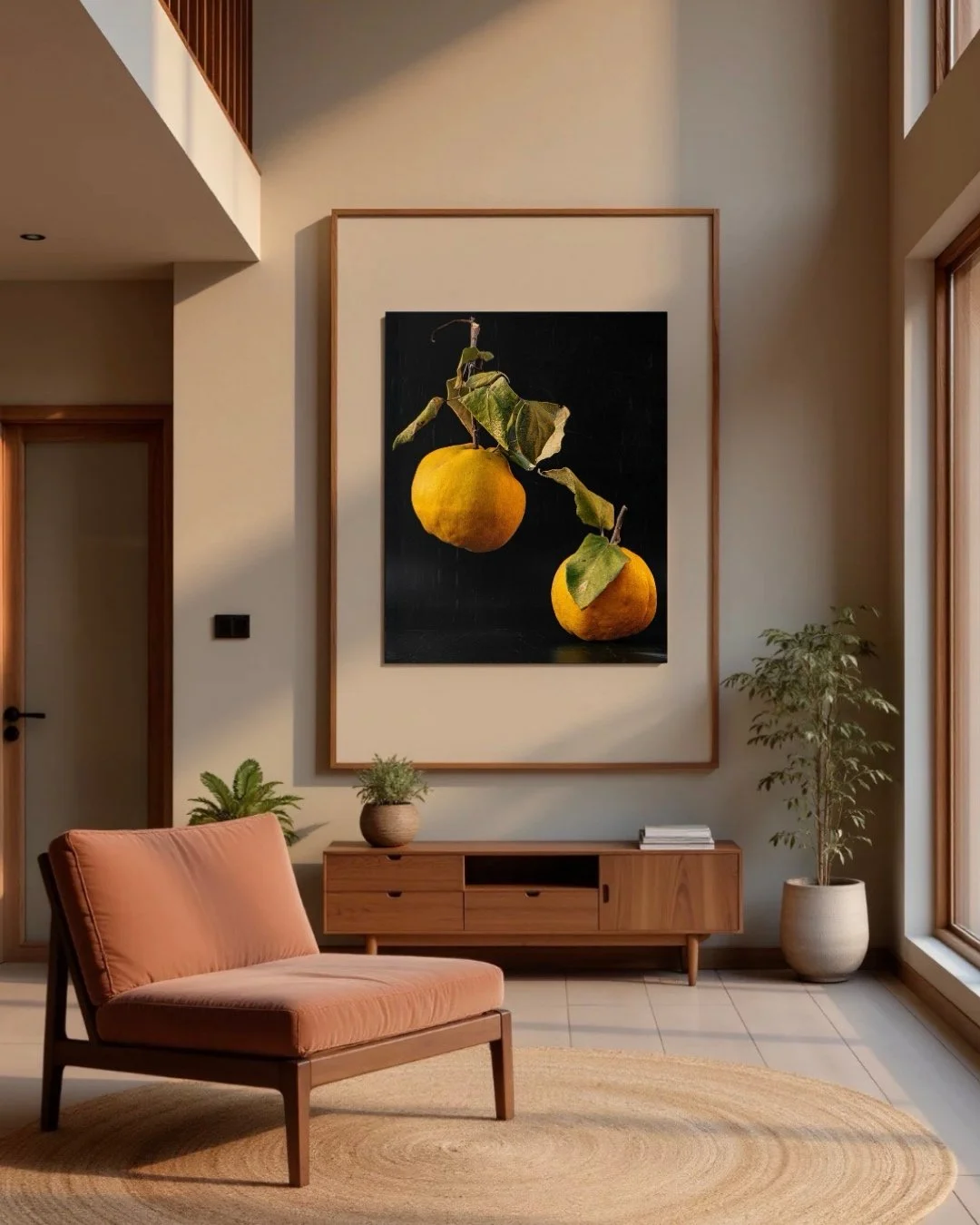
The Quinces Dance: When two fruits from my Provençal garden led to a dual exhibition in Hong Kong
The Quinces Dance: When two fruits from my Provençal garden led to a dual exhibition in Hong Kong
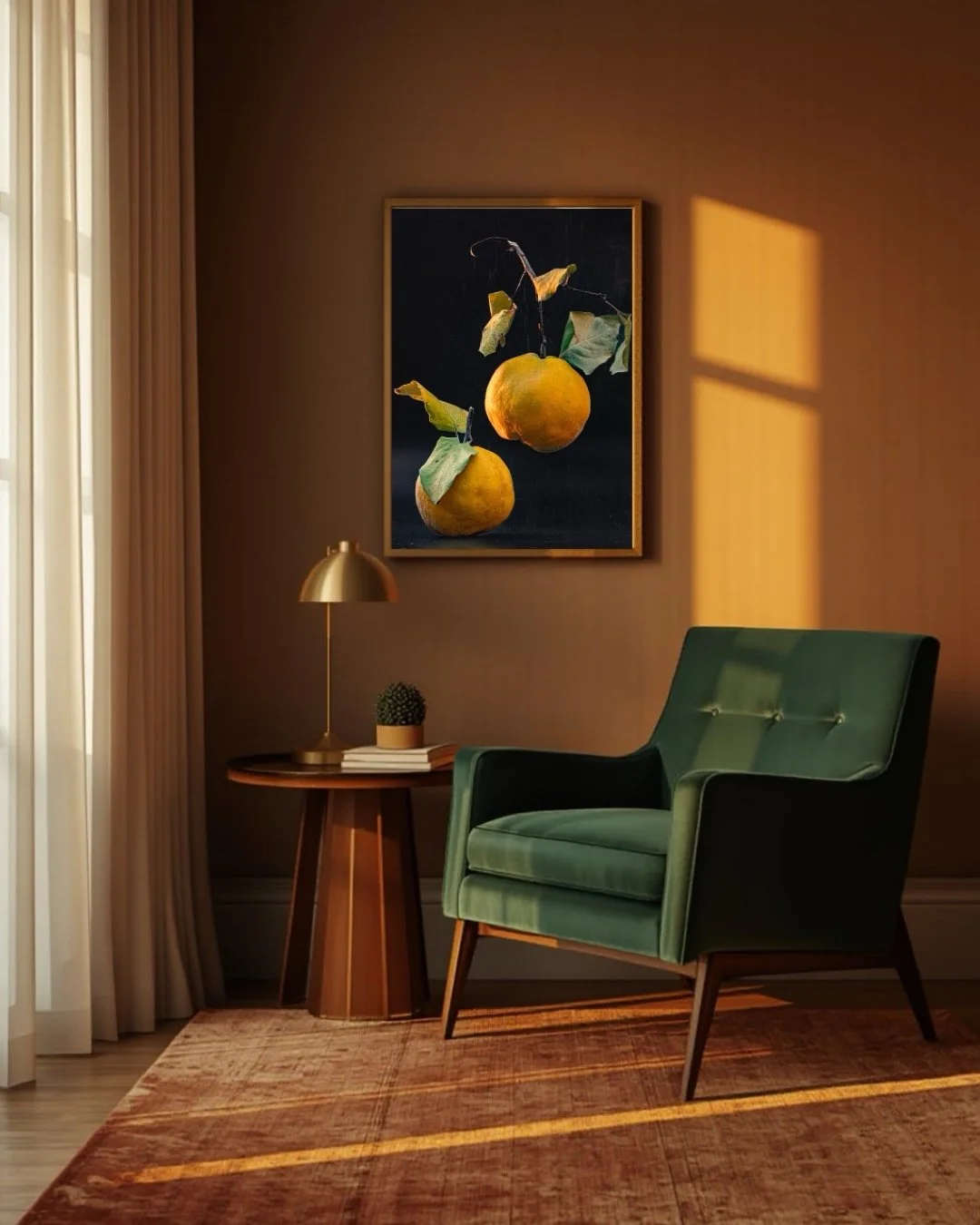
In 2023, while I was still living in the South of France, near Aix-en-Provence, I fell under the spell of two quinces freshly picked from my garden.
They were dancing. And so was my heart.
Plump and rounded in form, the quince can evoke an apple, a pear, or even a lemon, with its slightly velvety skin reminiscent of a peach. It makes you want to take a bite. Yet raw, it is astringent and tough. It only reveals itself through transformation: as jelly, chutney, or fruit paste — sometimes found among the thirteen traditional desserts of Provence. Its tree, the quince tree, modest and stocky, impresses me with its resilience, enduring both the dryness of summer and the harshness of winter. Each autumn, I took great pleasure in harvesting its fruits to make quince paste — sweet, slightly tangy — a taste that brought me back to childhood.
It was during the 2023 harvest that I decided to capture its bare beauty through photography.
For the composition, I wanted to recreate the illusion of their natural position on the tree, which I find particularly elegant. I used transparent fishing line: strong enough to support the fruit, discreet enough to disappear, and flexible enough to allow a subtle sense of movement. The black background, in turn, reveals the fruits’ color and texture, echoing the work of 17th-century Dutch painters.
Beyond aesthetics, through these two scenes — as in most of my work — I seek to capture their poetry: that of first encounters, suspended, uncertain, already in motion; fleeting moments that nevertheless endure.
I am delighted to announce that these two photographs, along with others, will be exhibited simultaneously at two venues in Hong Kong from May 14 to 17.
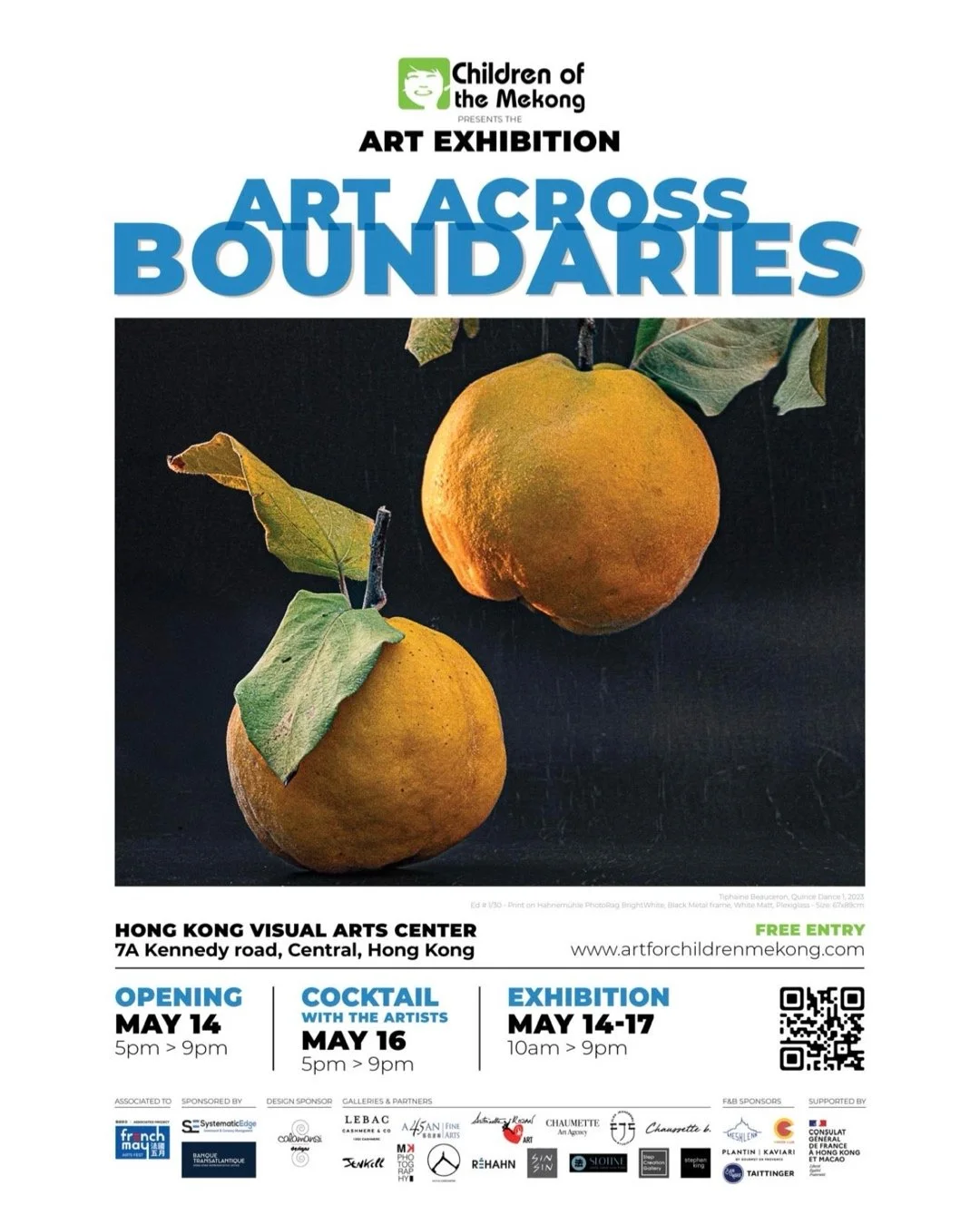
“The Dance of Quinces I” will be presented by Children of the Mekong (Hong Kong) as part of the charity exhibition “Art Across Boundaries,” organized in collaboration with French May, in support of educational programs in Southeast Asia.
📍 Hong Kong Visual Arts Centre, Central
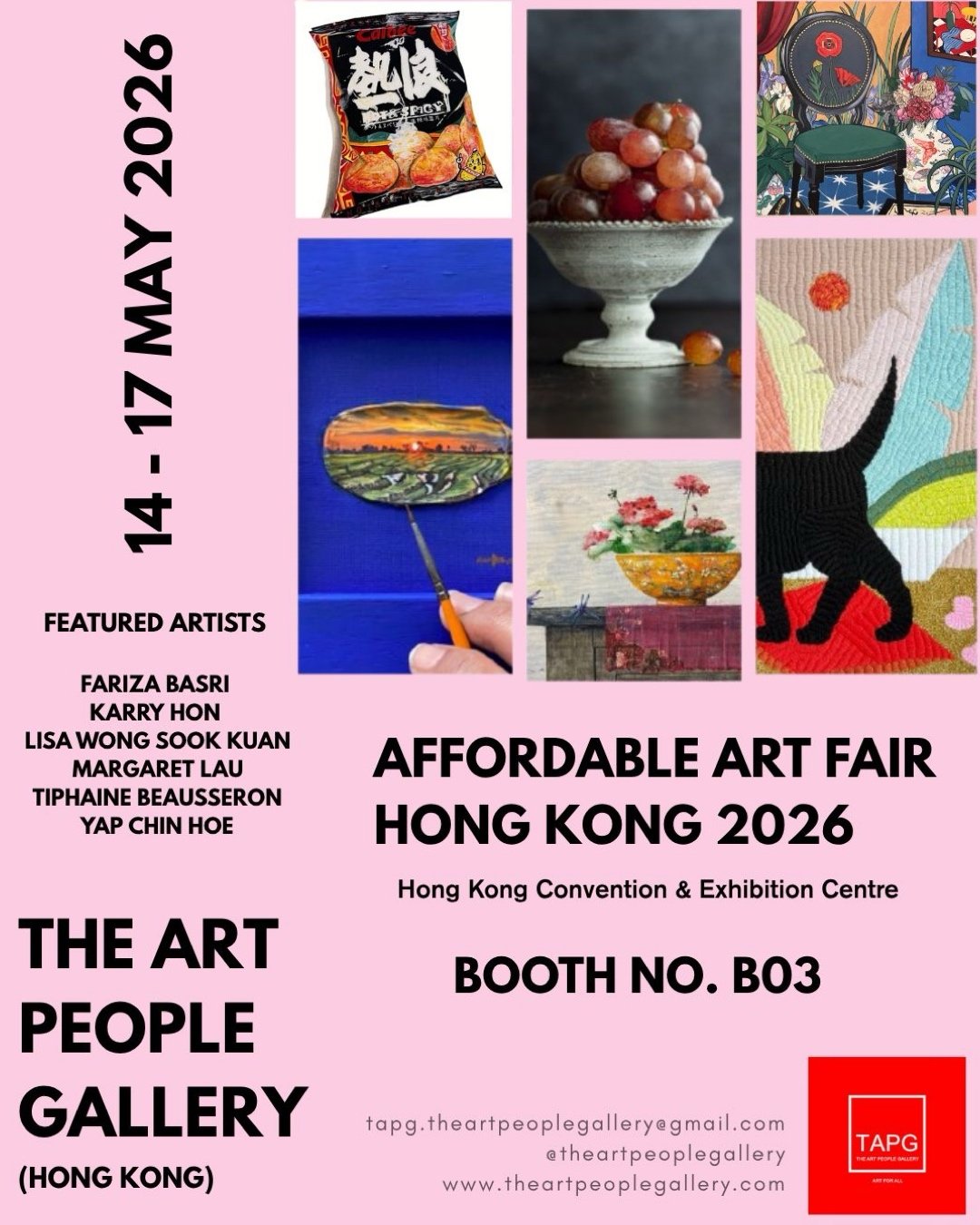
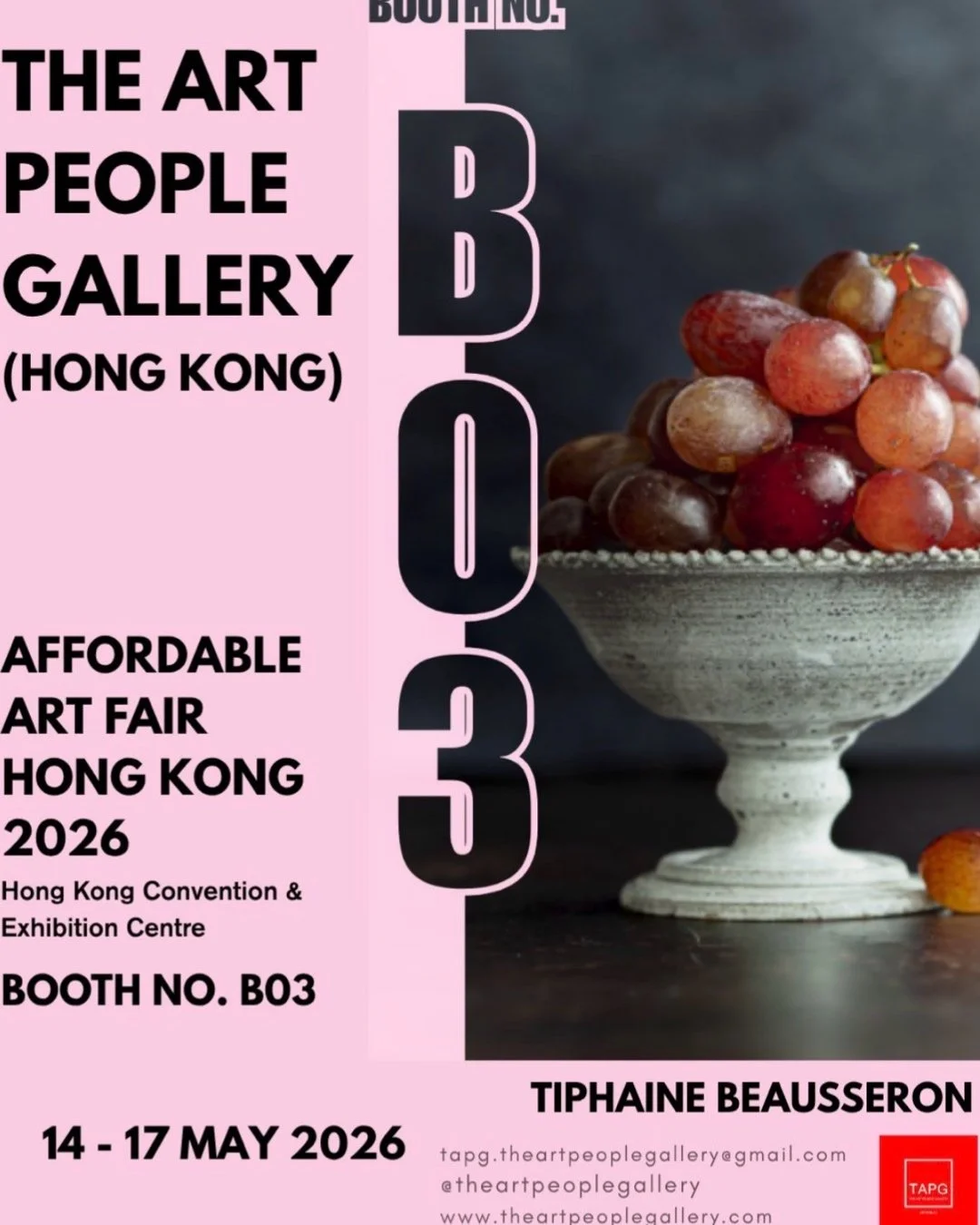
“The Dance of Quinces II”, alongside around fifteen other photographs, will be presented by The Art People Gallery together with five other artists at the Affordable Art Fair Hong Kong.
📍 Hong Kong Convention and Exhibition Centre — Booth 03
En 2023, lorsque j’habitais encore dans le Sud-Est de la France, près d’Aix-en-Provence, je suis tombée sous le charme de deux coings fraîchement cueillis dans mon jardin. Ils dansaient. Et mon cœur aussi.
D’allure dodue et rebondie, le coing évoque tour à tour la pomme, la poire ou encore le citron, avec sa peau légèrement duveteuse proche de celle de la pêche. On a envie de croquer dedans. Mais cru, il est âpre et coriace. Il se révèle à travers la transformation : en gelée, en chutney ou en pâte de fruits — que l’on trouve parfois parmi les treize desserts traditionnels de Provence.
Son arbre, le cognassier, modeste et trapu, m’impressionne par sa résistance, traversant aussi bien la sécheresse des étés que la rudesse des hivers. Chaque année, à l’automne, je prenais grand plaisir à en cueillir les fruits pour en faire de la pâte de coing — au goût sucré, légèrement acidulé — qui me rappelait le temps de l’enfance.
C’est lors de la récolte de 2023 que j’ai décidé d’en capturer la beauté nue à travers la photographie.
Pour la composition, je souhaitais recréer l’illusion de leur position naturelle sur l’arbre, que je trouve particulièrement élégante. J’ai utilisé un fil de pêche transparent : assez solide pour soutenir le fruit, assez discret pour disparaître, et assez souple pour restituer un léger mouvement. Le fond noir, quant à lui, m’a permis de révéler la couleur et la texture des fruits, un peu comme le faisaient les grands peintres hollandais du XVIIème siècle.
Au-delà de l’esthétique, je cherche, à travers ces deux scènes - comme dans la plupart de mes images - , à en saisir la poésie : celle des premières rencontres, suspendues, incertaines, déjà en mouvement ; des instants fugaces qui demeurent.
Je suis heureuse d’annoncer que ces deux photographies, ainsi que d’autres, seront exposées simultanément dans deux lieux à Hong Kong du 14 au 17 mai.
« La danse des coings 1 » sera présentée par l’association Children of the Mekong (Hong Kong), dans le cadre de l’exposition caritative « Art Across Boundaries », organisée en collaboration avec le French May, au profit de programmes éducatifs en Asie du Sud-Est.
📍 Hong Kong Visual Arts Centre, Central
« La danse des coings 2 », accompagnée d’une quinzaine d’autres photographies, sera présentée par The Art People Gallery aux côtés de cinq autres artistes, dans le cadre de l’Affordable Art Fair Hong Kong.
📍 Hong Kong Convention and Exhibition Centre — Booth 03

Quiet Glow
Created in March 2025, this sun-coloured chrysanthemum already announces the arrival of spring. I came across it one morning at the vibrant flower market on Gresson Street in Wan Chai, and it inspired this composition—a tribute to the connection between the earth and the hand of the maker: the ceramic artist, the grower, the gardener… This piece also speaks to the meeting of two cultures. As someone of French background, I had always associated the chrysanthemum with mourning and All Saints’ Day. Yet in Southeast Asia, it symbolises longevity, happiness, perfection, and good fortune, and is sometimes linked to the sun. Was it the sun of Provence winking at me that day? Whatever the case, I bought this flower at the market and placed it in a ceramic cup freshly made by Hong Kong artist Ben Yau (Tao Tao Ceramic), whom I had met just a few weeks earlier. Together, they inspired me to create an image where merge poetry, nostalgia, and the strength of life quietly.
This photograph, titled Quiet Glow, is part of my series Cherishing the Earth.
Created in March 2025, this sun-coloured chrysanthemum already announces the arrival of spring. I came across it one morning at the vibrant flower market on Gresson Street in Wan Chai, and it inspired this composition—a tribute to the connection between the earth and the hand of the maker: the ceramic artist, the grower, the gardener… This piece also speaks to the meeting of two cultures. As a French native, I had always associated the chrysanthemum with mourning and All Saints’ Day. Yet in Southeast Asia, it symbolises longevity, happiness, perfection, and good fortune, and is sometimes linked to the sun. Was it the sun of Provence winking at me that day? Whatever the case, I bought this flower at the market and placed it in a ceramic cup freshly made by Hong Kong artist Ben Yau (Tao Tao Ceramic), whom I had met just a few weeks earlier. Together, they inspired me to create an image where merge poetry, nostalgia, and the strength of life quietly.
This photograph is limited to an edition of 30. It is printed on demand on Hahnemühle Photo Rag 310 gsm matte paper (100% cotton). I chose this paper because its matte finish absorbs light without glare, enhancing the depth and texture of the darker tones, and accentuates the painterly quality of the composition.
For a more contemporary look, dye-sublimation printing on aluminium is also available, as well as a print mounted on Dibond and covered with acrylic glass.
Pricing varies depending on size and printing medium. To place an order, please contact me at:
tbeausseron@gmail.com
This photograph will also be exhibited at the Affordable Art Fair Hong Kong 2026, from May 14 to 17. Feel free to reach out for more information.
Quiet Glow ©Tiphaine Beausseron 2025
(…) Together, they inspired me to create an image where poetry, nostalgia, and the strength of life quietly merge from the picture.
Cette photo, que j’ai intitulée Quiet Glow, fait partie de ma série Cherishing the Earth.
Dans cette composition réalisée en mars 2025, ce chrysanthème couleur soleil annonce déjà le printemps. Trouvée un matin sur l’abondant marché aux fleurs très colorées de Gresson Street à Wan Chai, elle m’a inspiré cette composition, comme un hommage à la communion entre la terre et la main de l’homme : celle de l’artiste céramiste, du cultivateur, du jardinier… Cette composition raconte aussi la rencontre entre deux cultures. De culture française, j’associais jusqu’alors le chrysanthème au deuil et à la Toussaint, alors qu’en Asie du Sud-Est, il est symbole de longue vie, de bonheur, de perfection et de bonne fortune, parfois associé au soleil. Est-ce le soleil de Provence qui m’a fait un clin d’œil ce jour-là ? Quoi qu’il en soit, j’ai acheté cette fleur sur le marché et je l’ai disposée dans cette coupe en céramique fraîchement créée par l’artiste hong kongais Ben Yau (Tao Tao Ceramic), que je venais de rencontrer quelques semaines auparavant. L’ensemble m’a soufflé que cela méritait bien une photo où murmurent en toile de fond poésie, nostalgie et force de vie.
Cette photo est limitée à 30 éditions. Elle est imprimée à la demande sur du papier Hahnemühle Photo Rag 310 gsm mat (papier 100 % coton). J’ai choisi ce papier car sa finition mate absorbe la lumière sans reflet, rehaussant la profondeur et la texture des tons sombres, et accentue le côté « peinture » que peut évoquer la composition.
Pour un look plus moderne, une impression par sublimation sur aluminium est également possible, ou une impression sur papier contrecollé sur Dibond et recouvert d’un verre acrylique.
Le prix varie selon la taille et le support d’impression souhaité. Contactez-moi pour commander :
tbeausseron@gmail.com
Cette photo sera également exposée à l’Affordable Art Fair Hong Kong 2026 du 14 au 17 mai. Contactez-moi pour plus d’informations.
Follow me on Instagram and on Foto
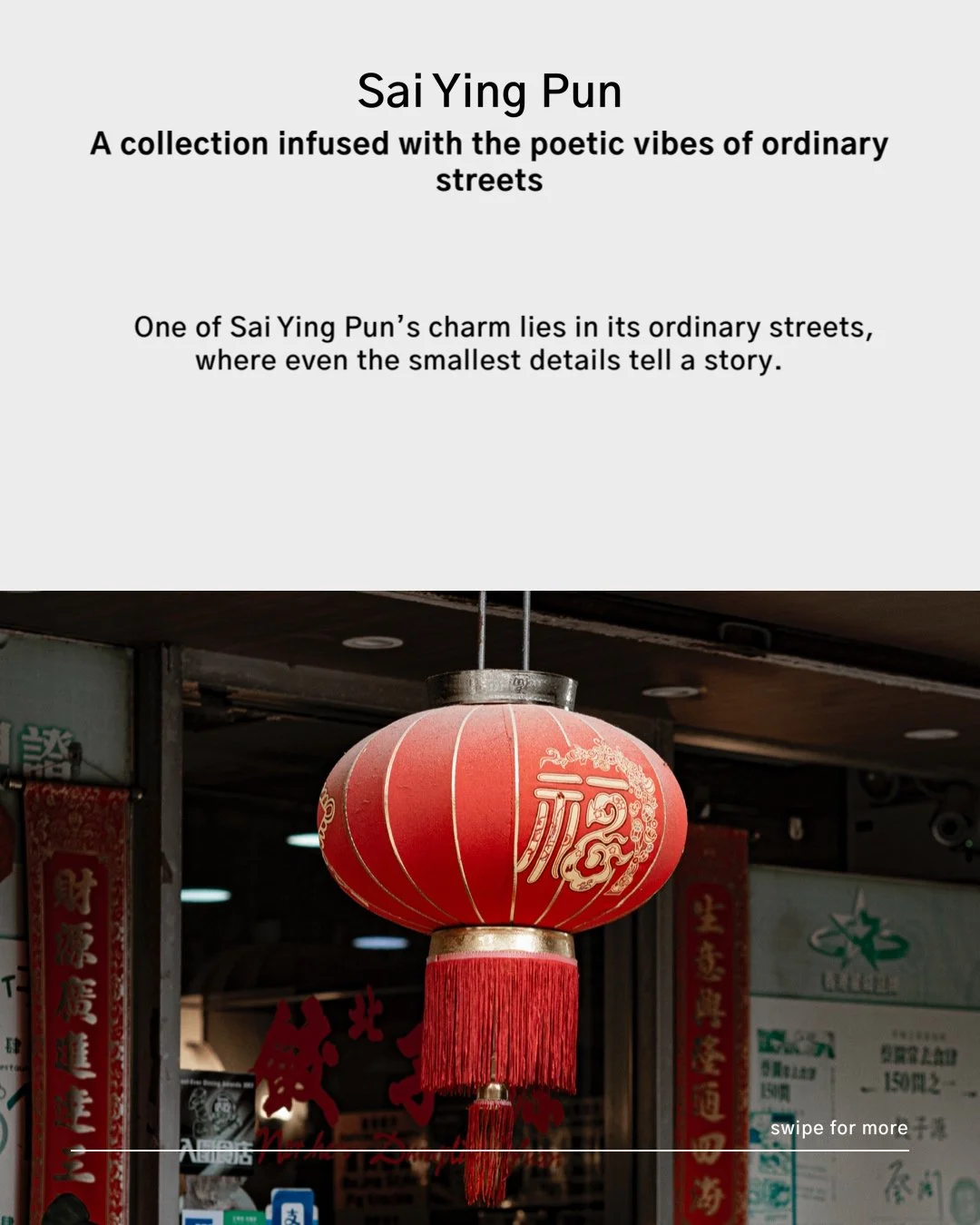
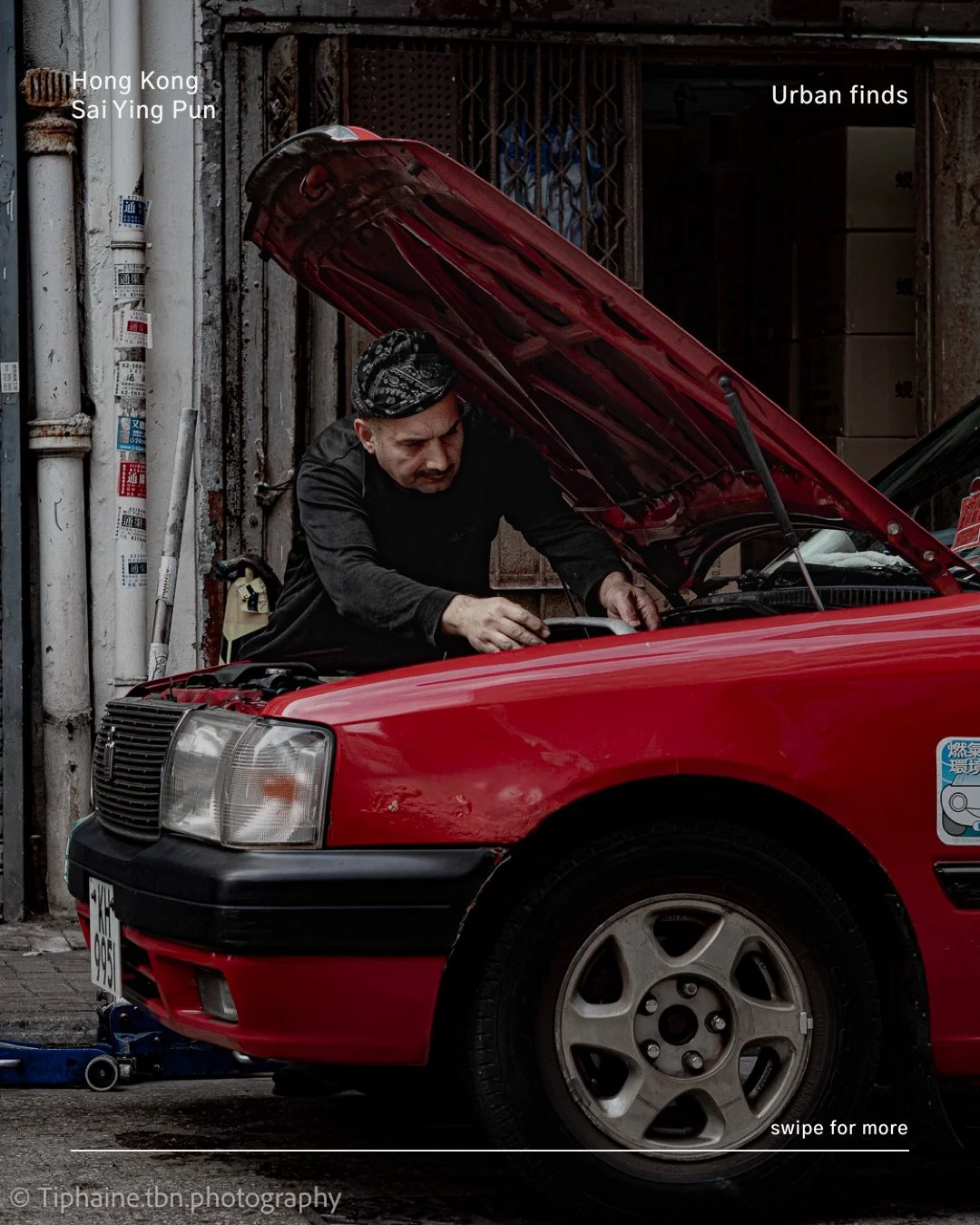
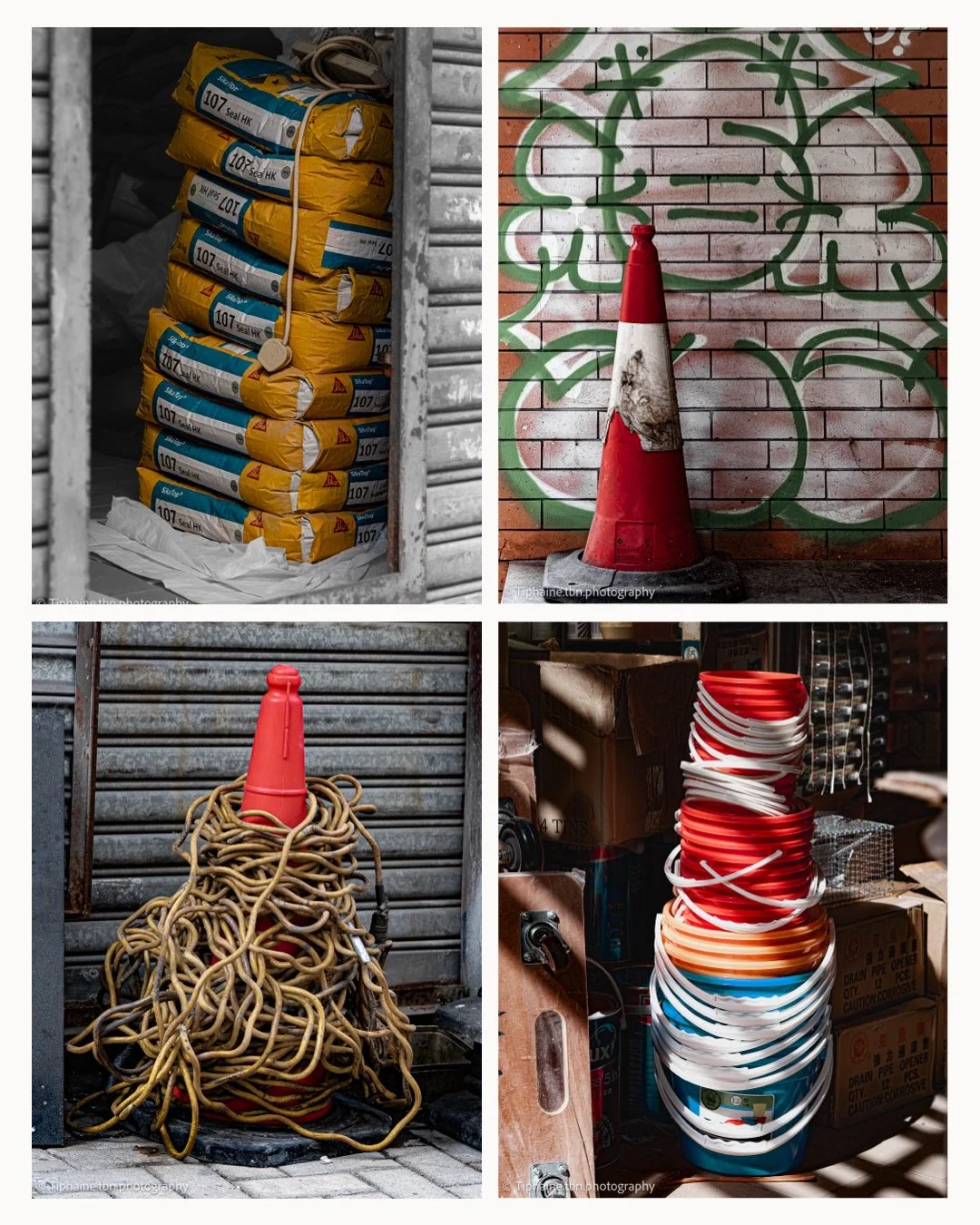
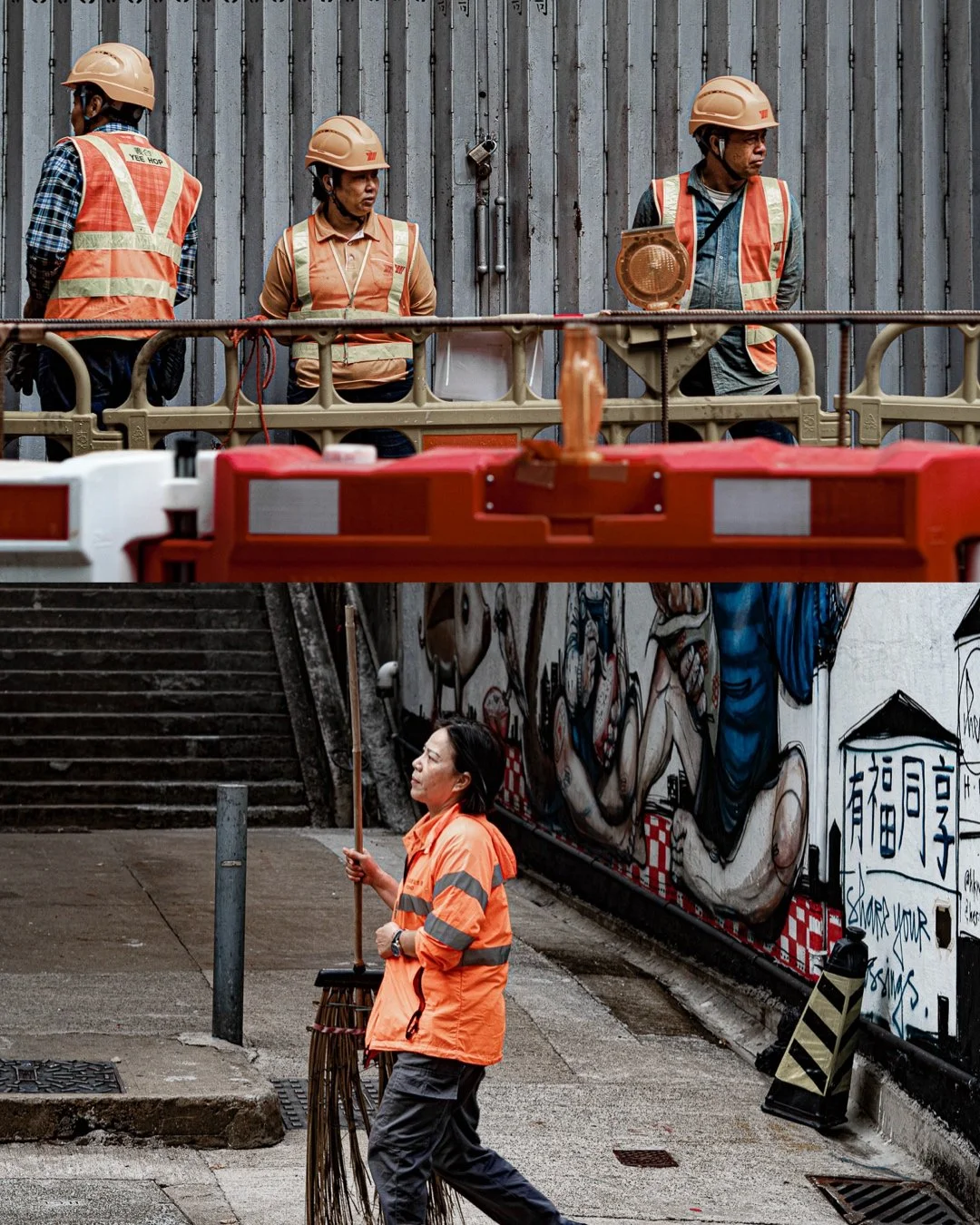
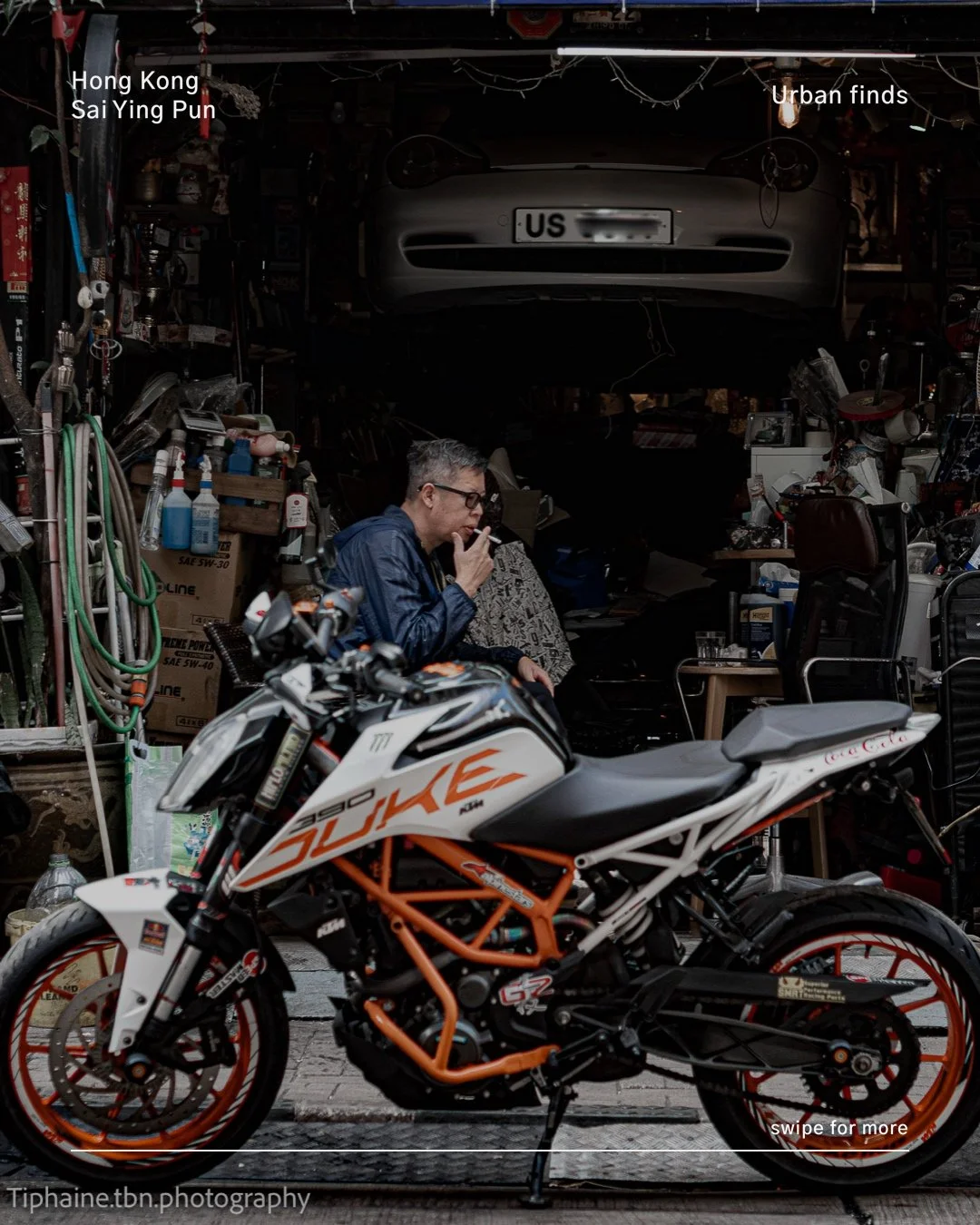
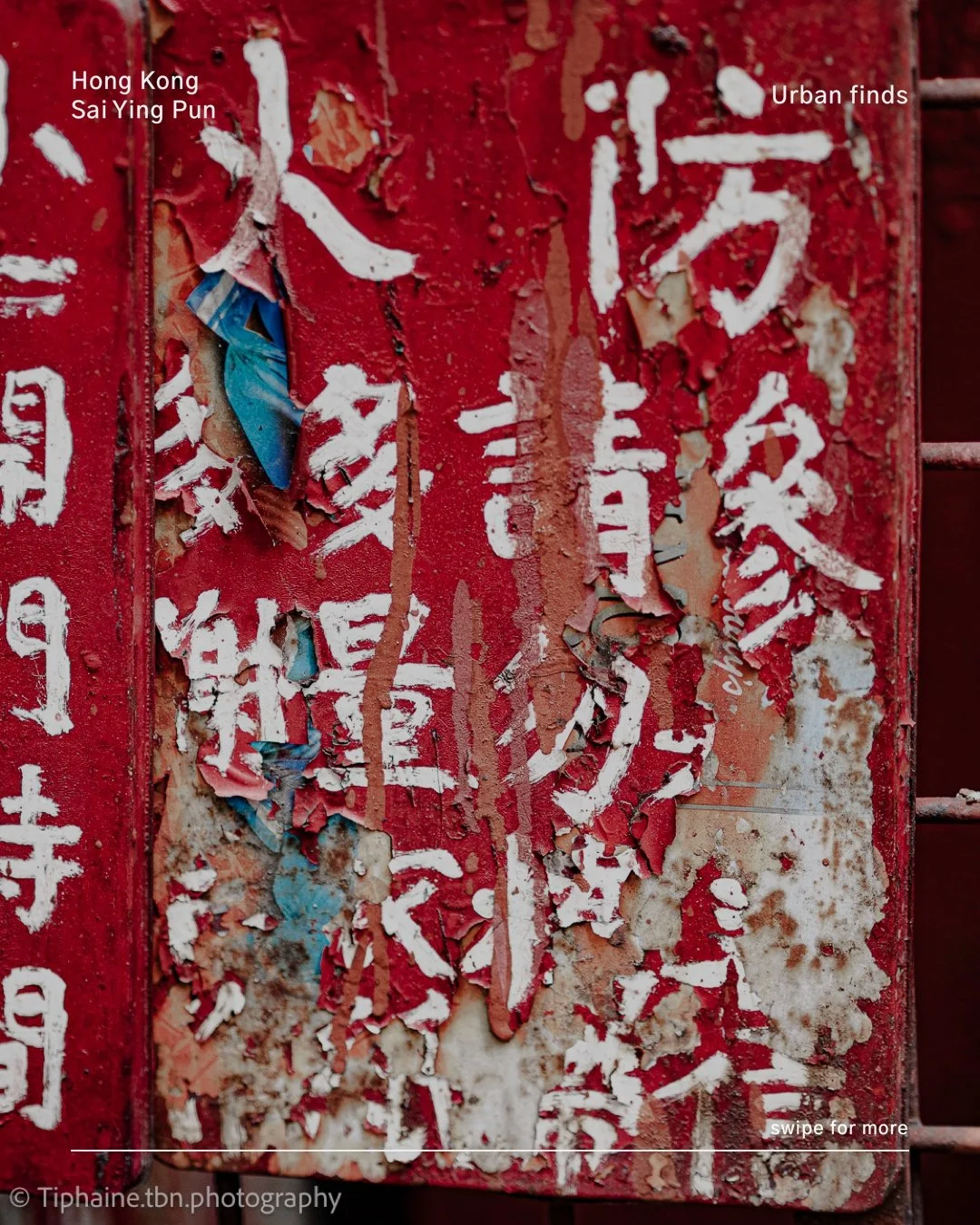
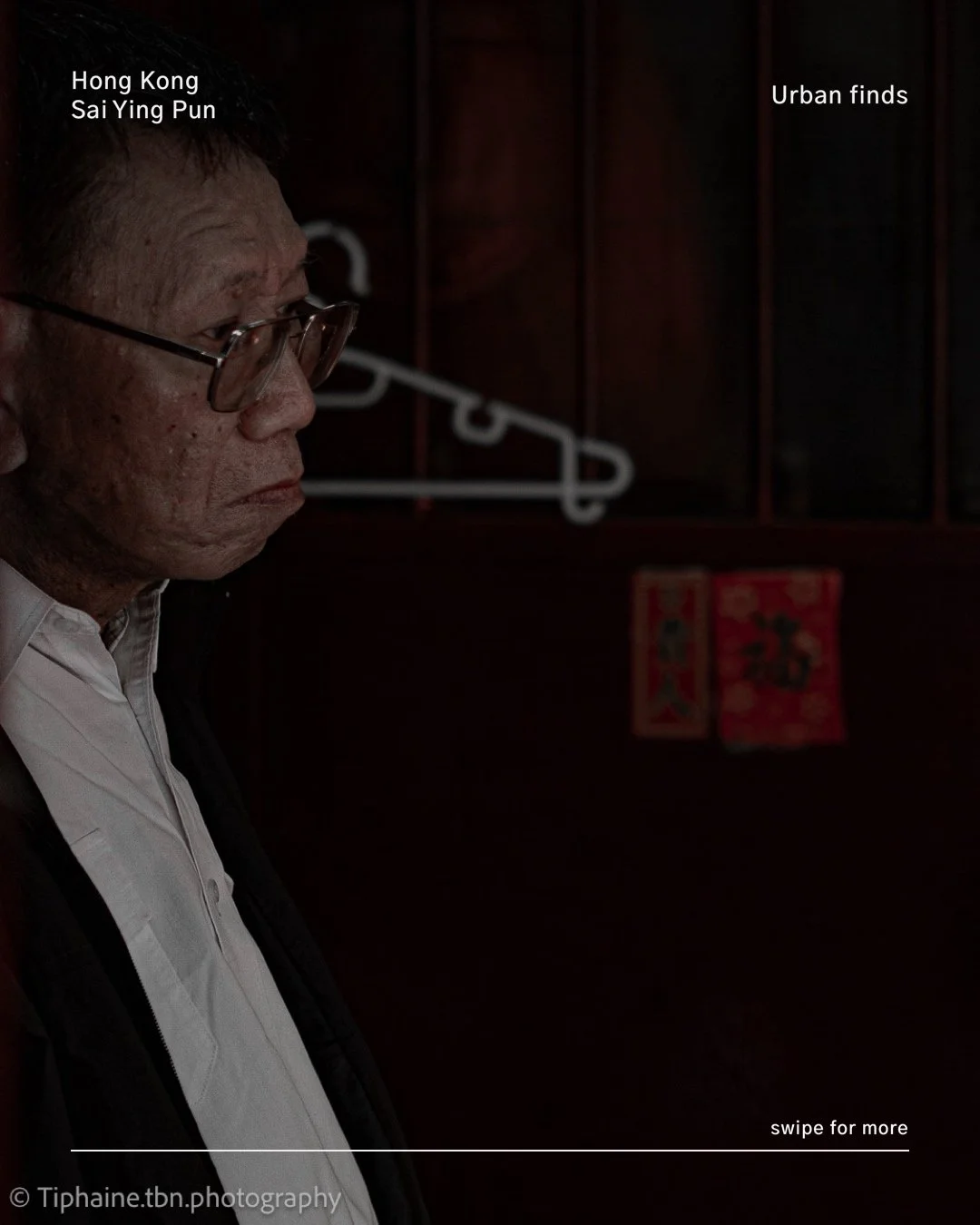
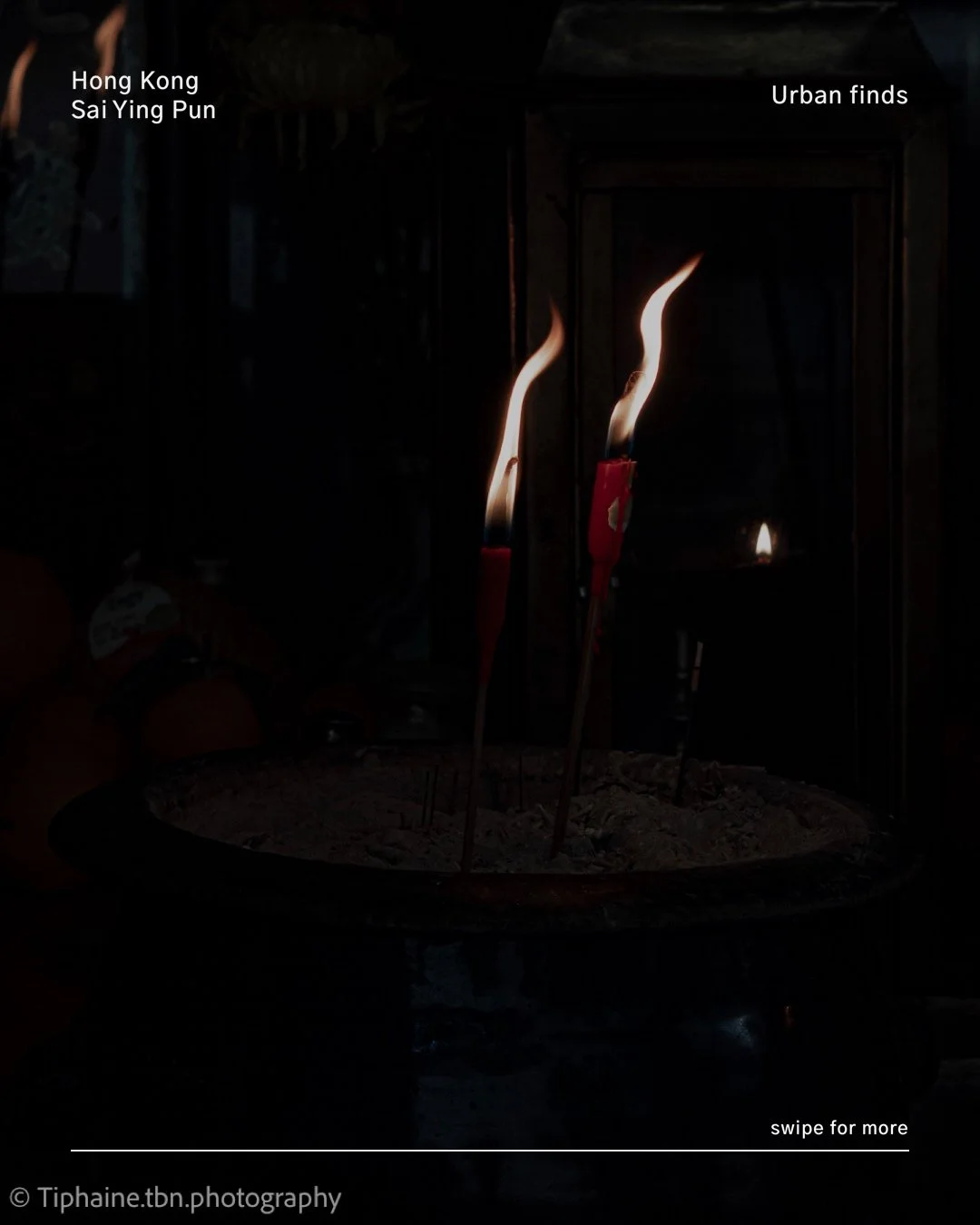
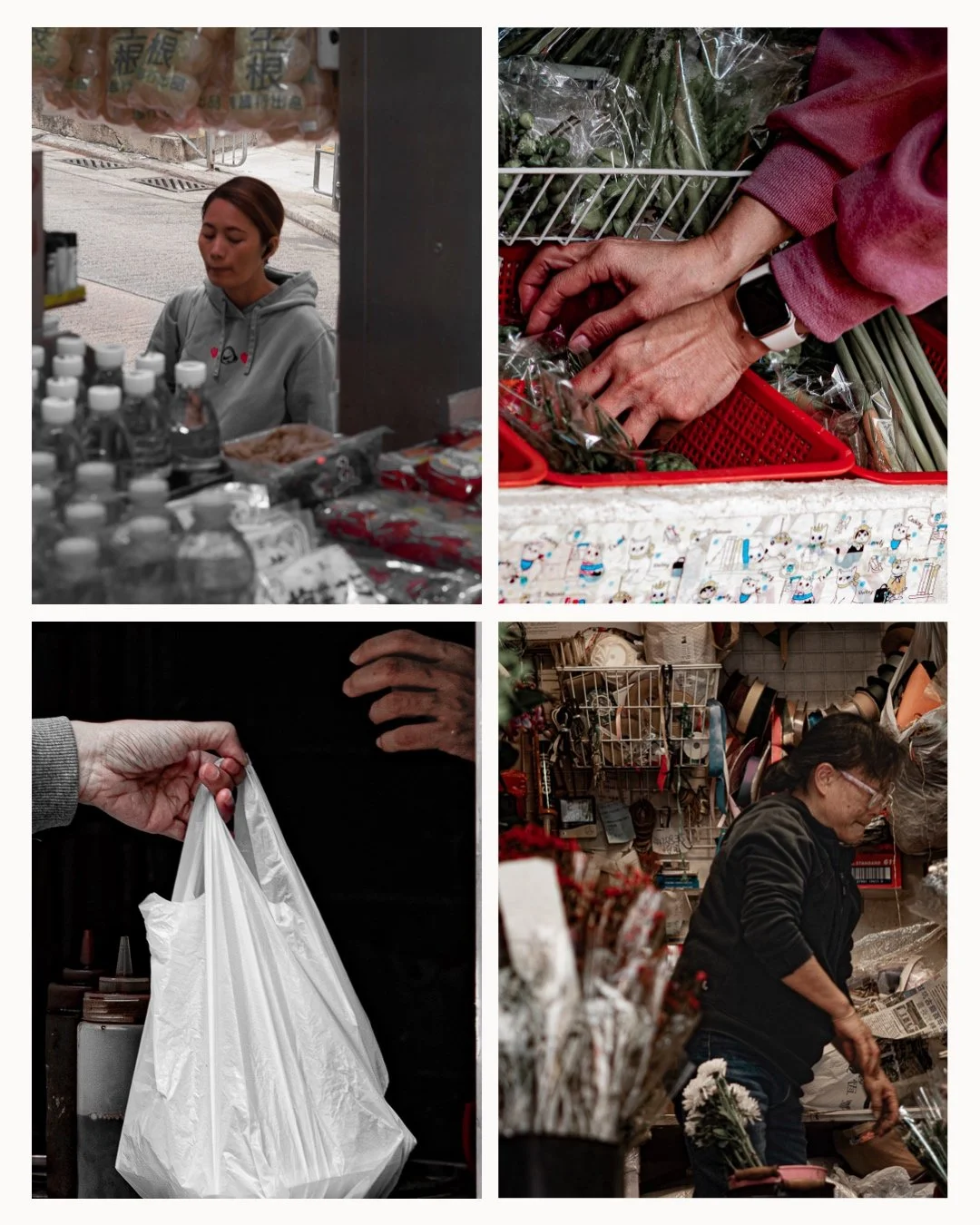
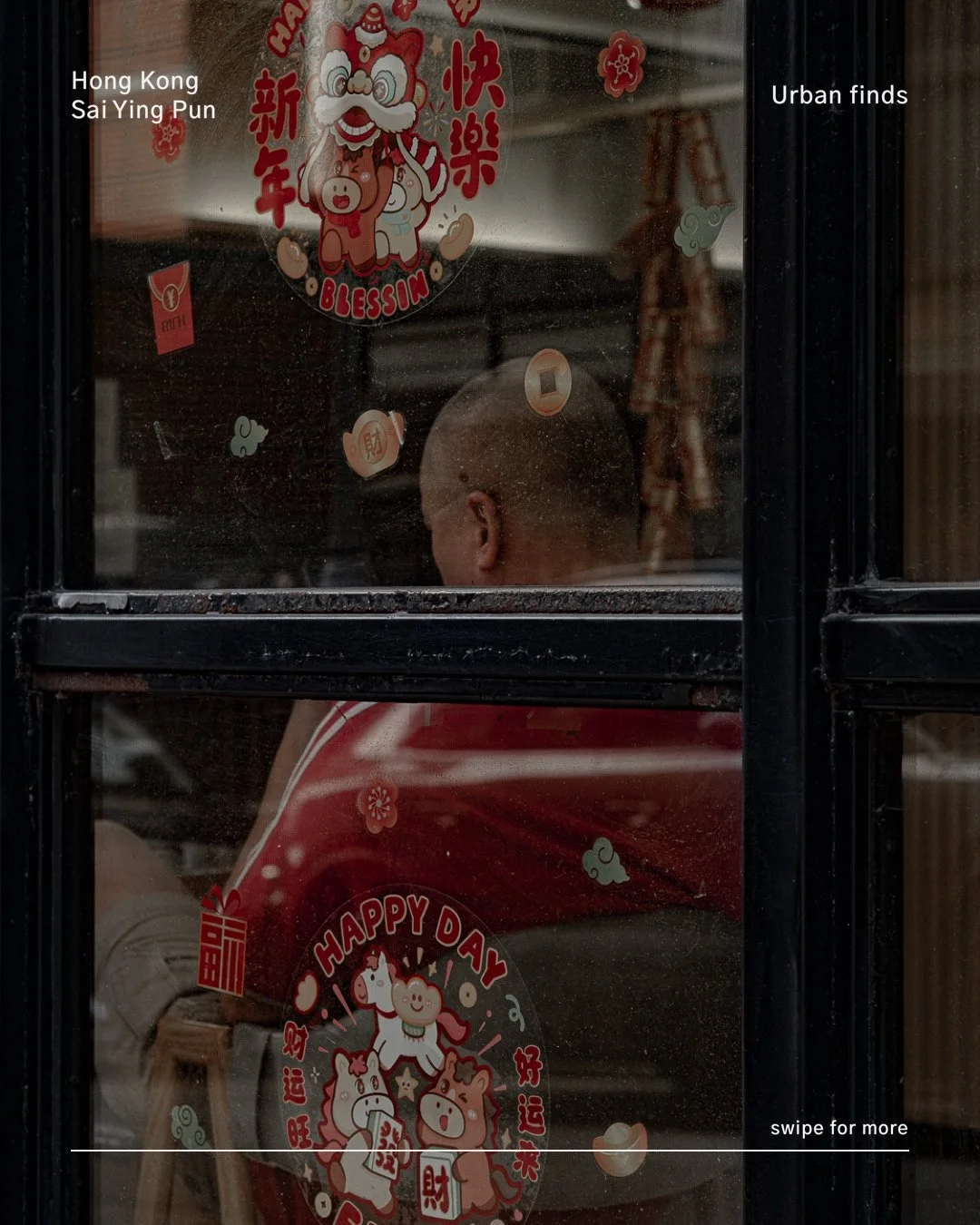
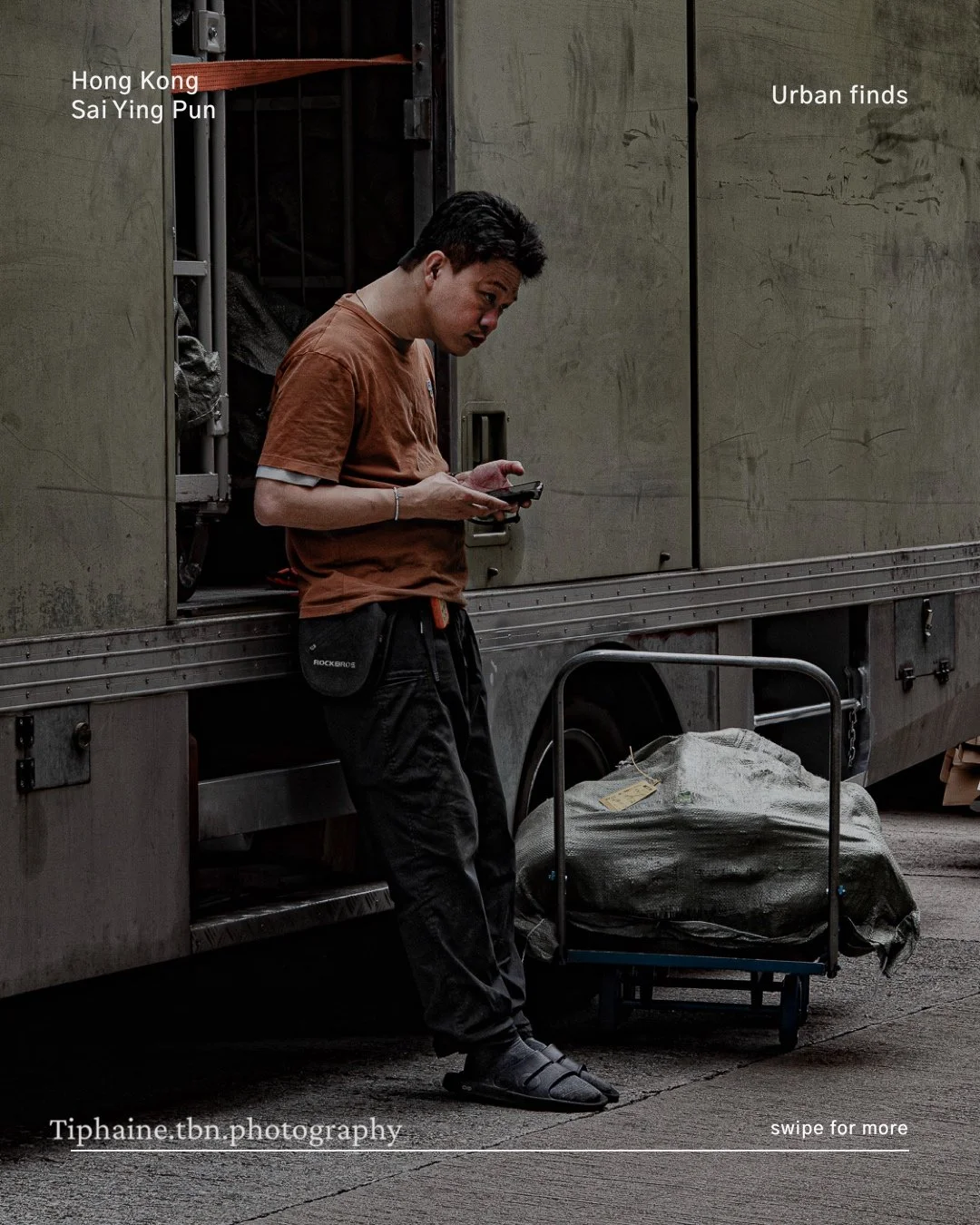
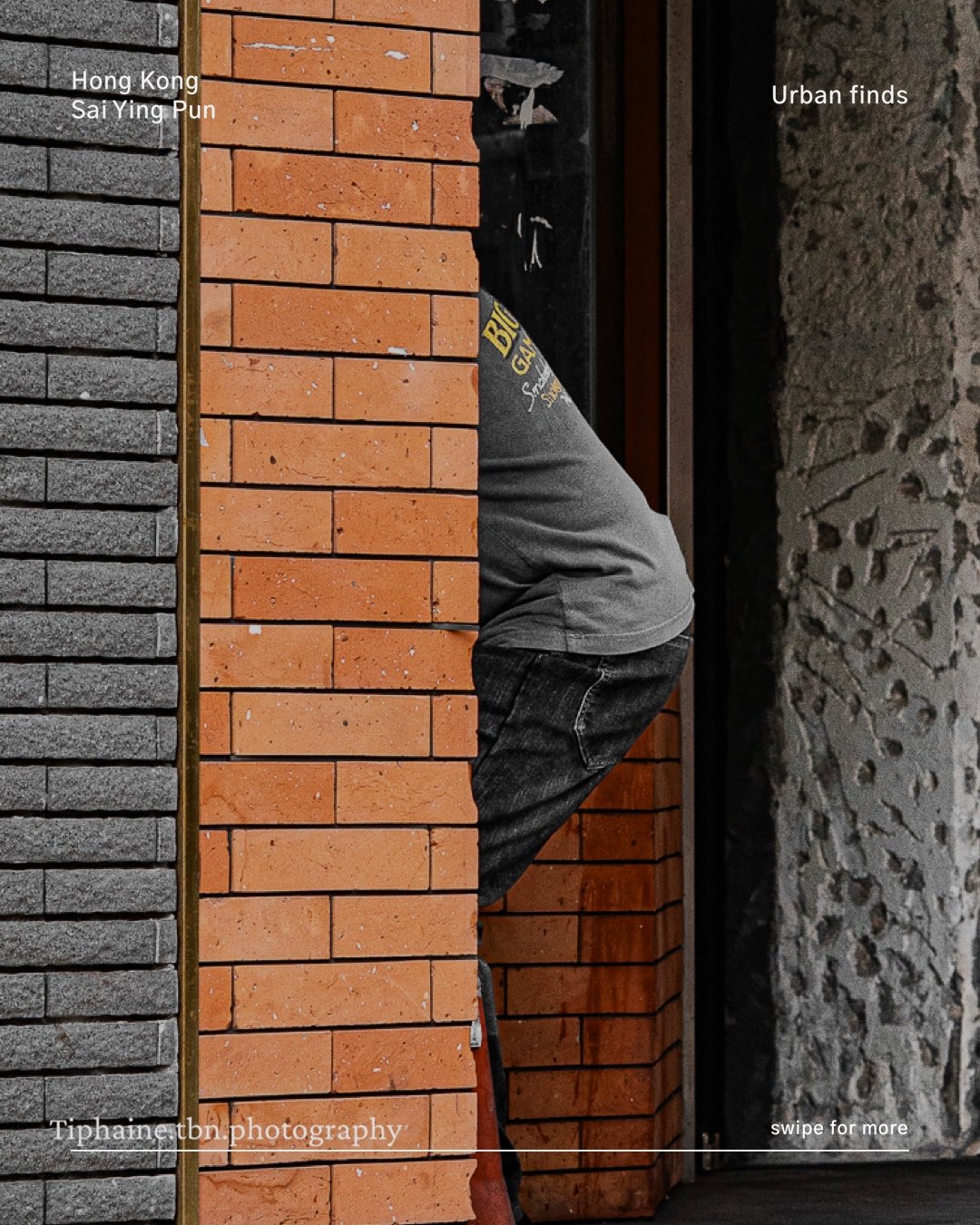
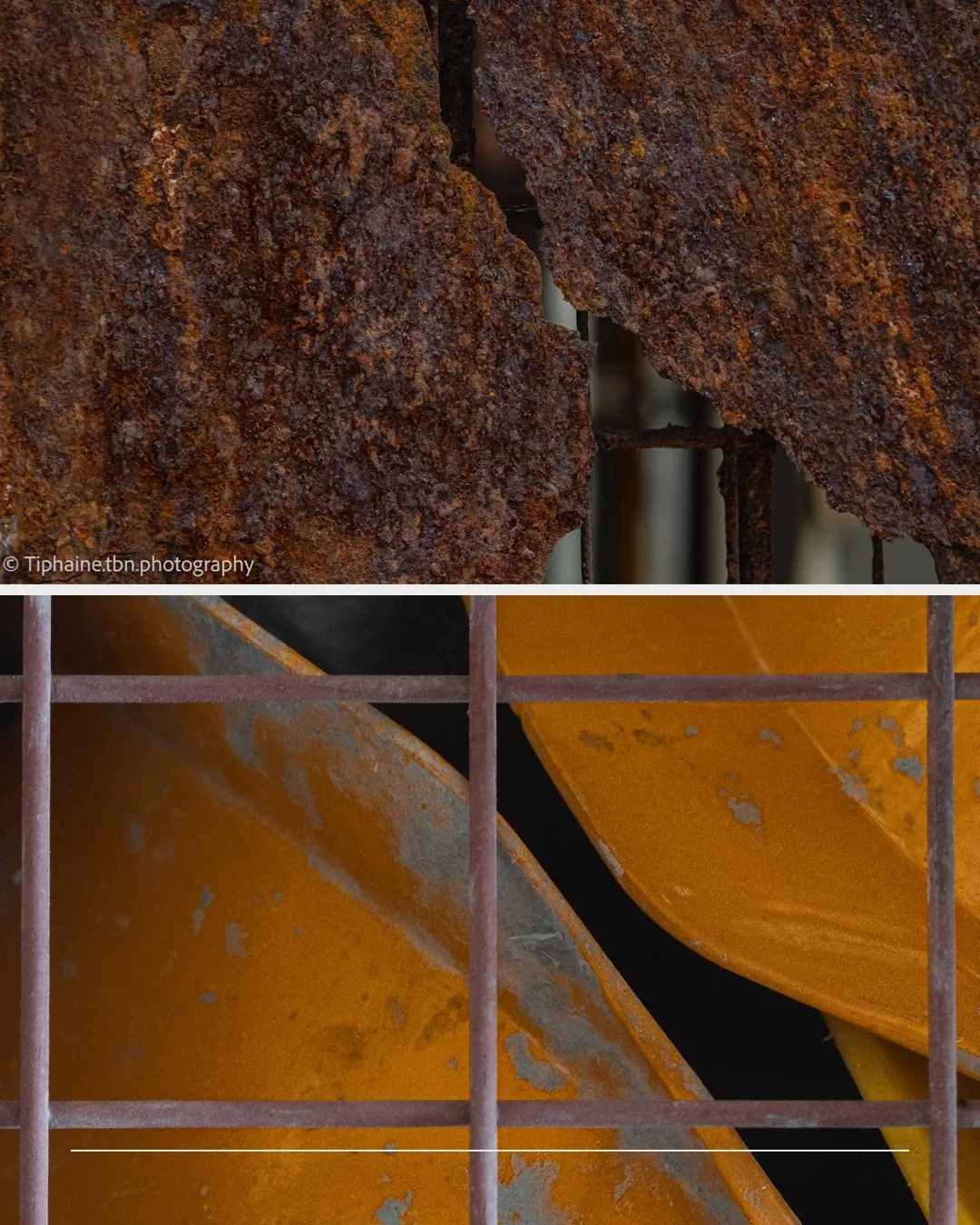
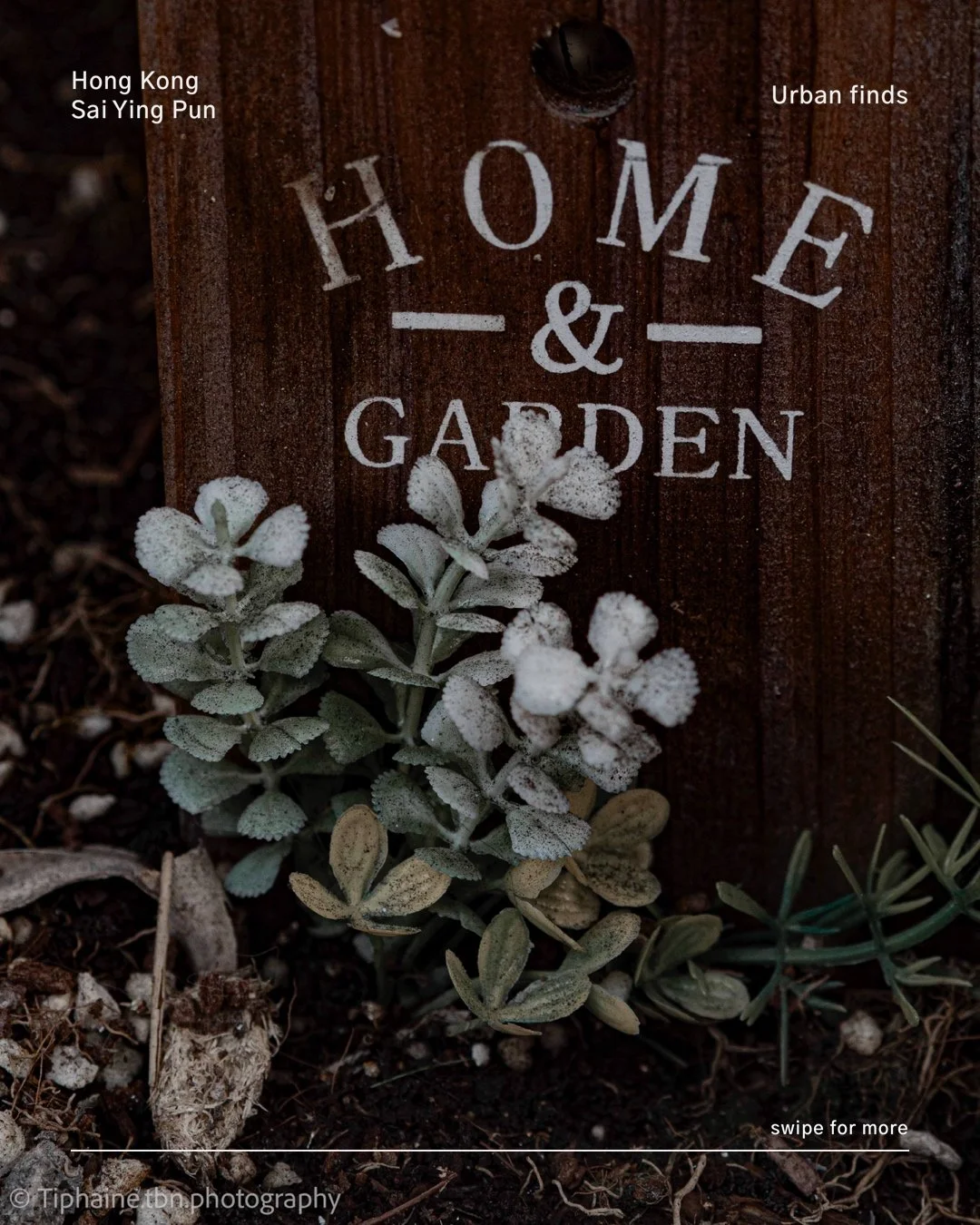
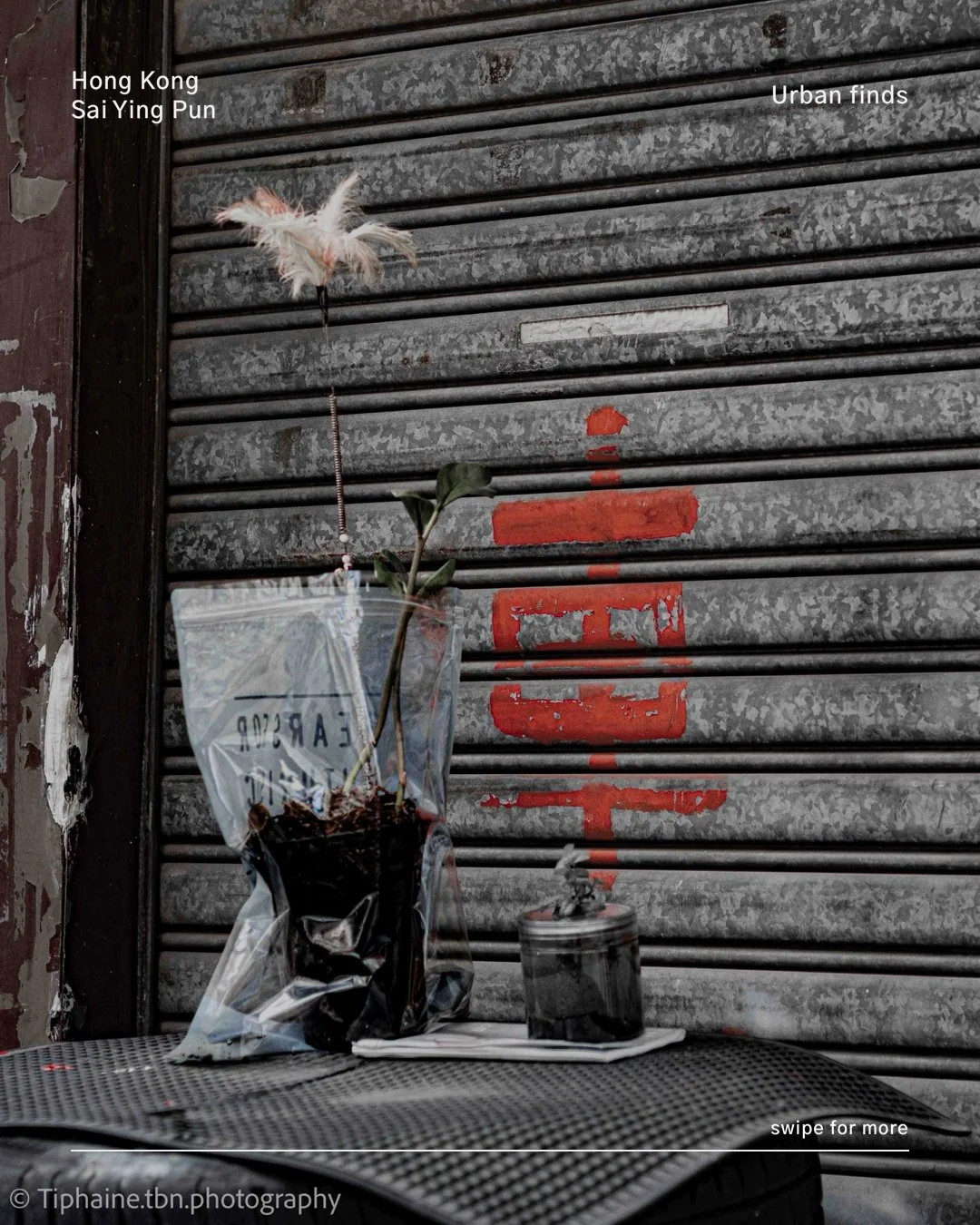
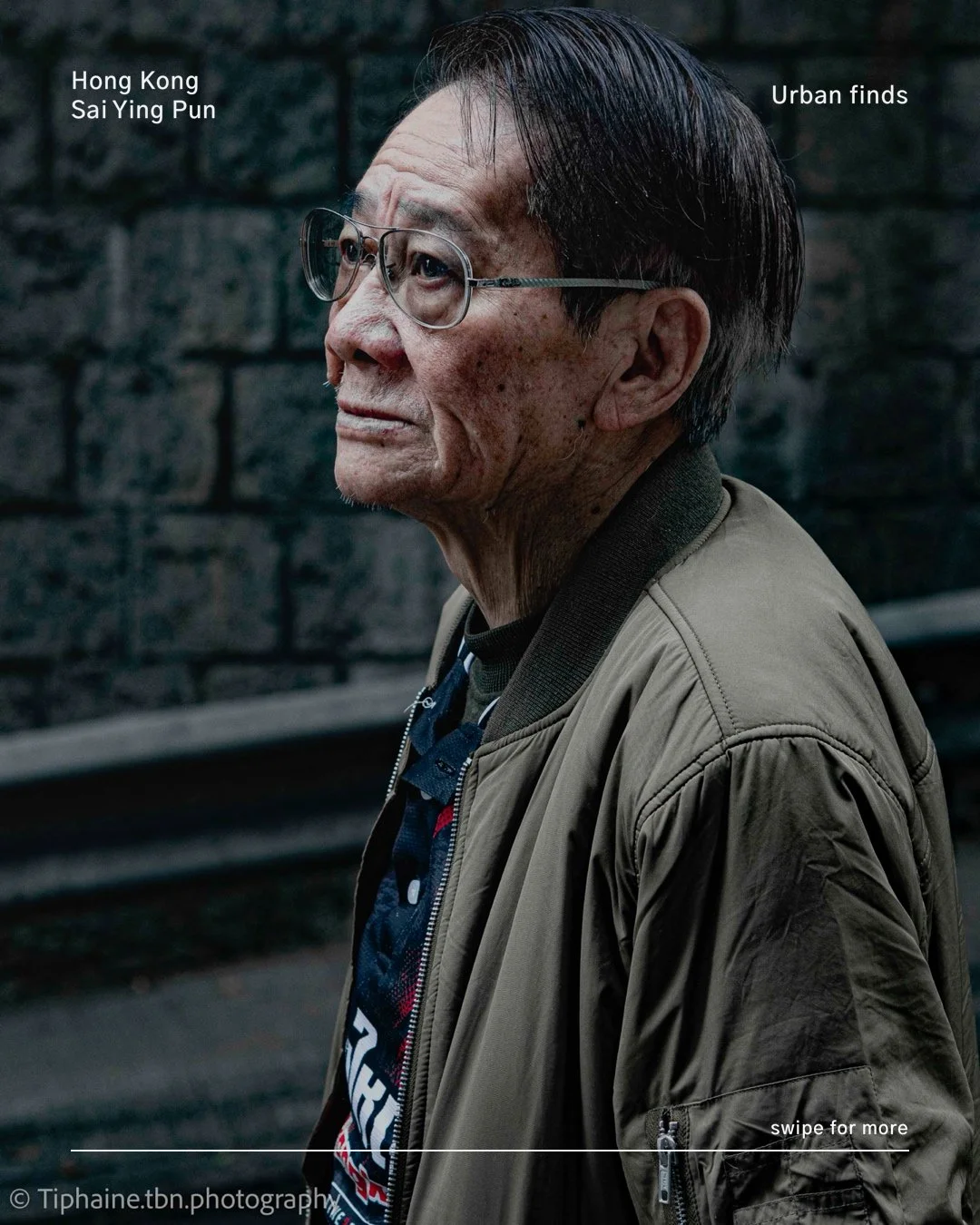
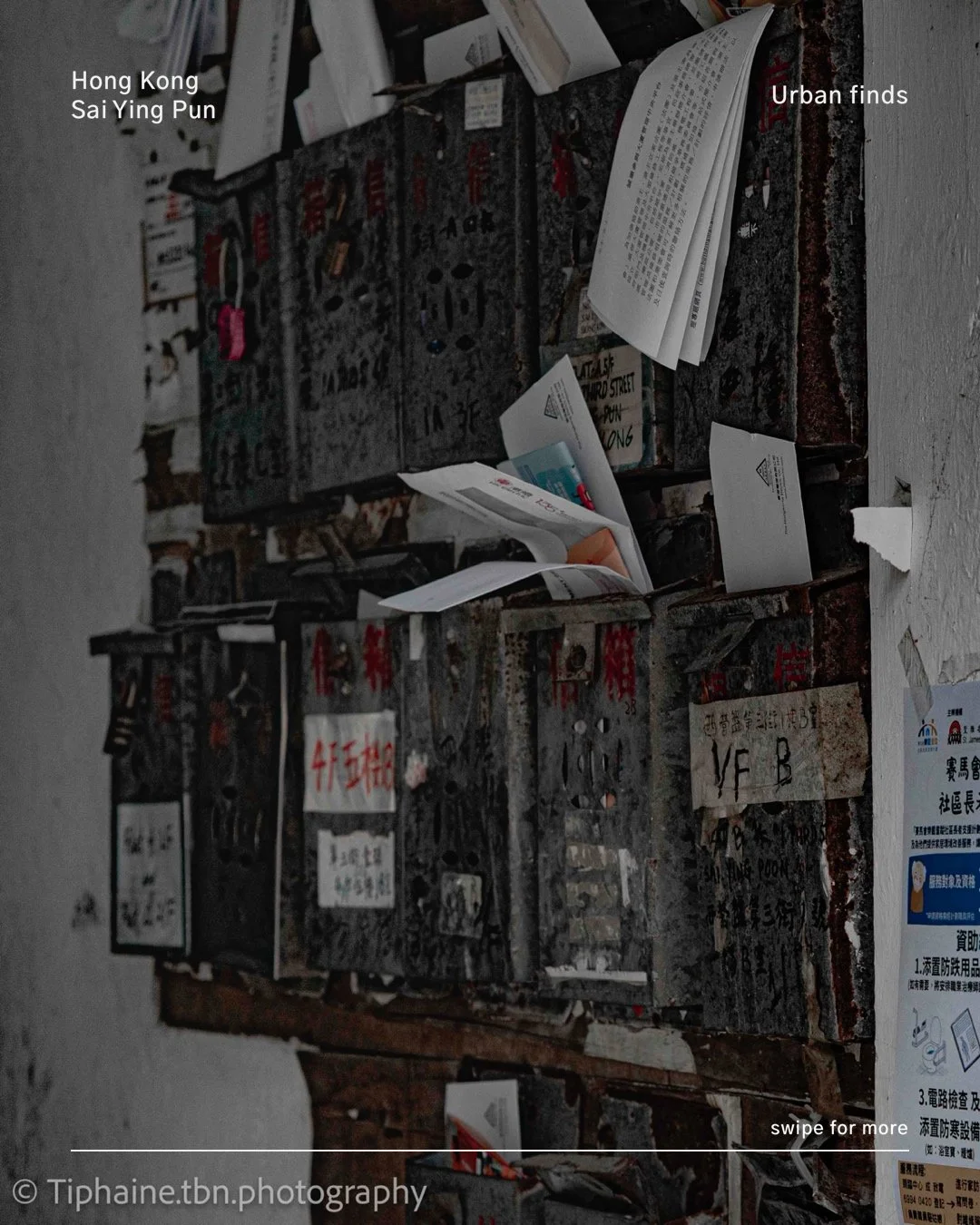
SAI YING PUN IN RED
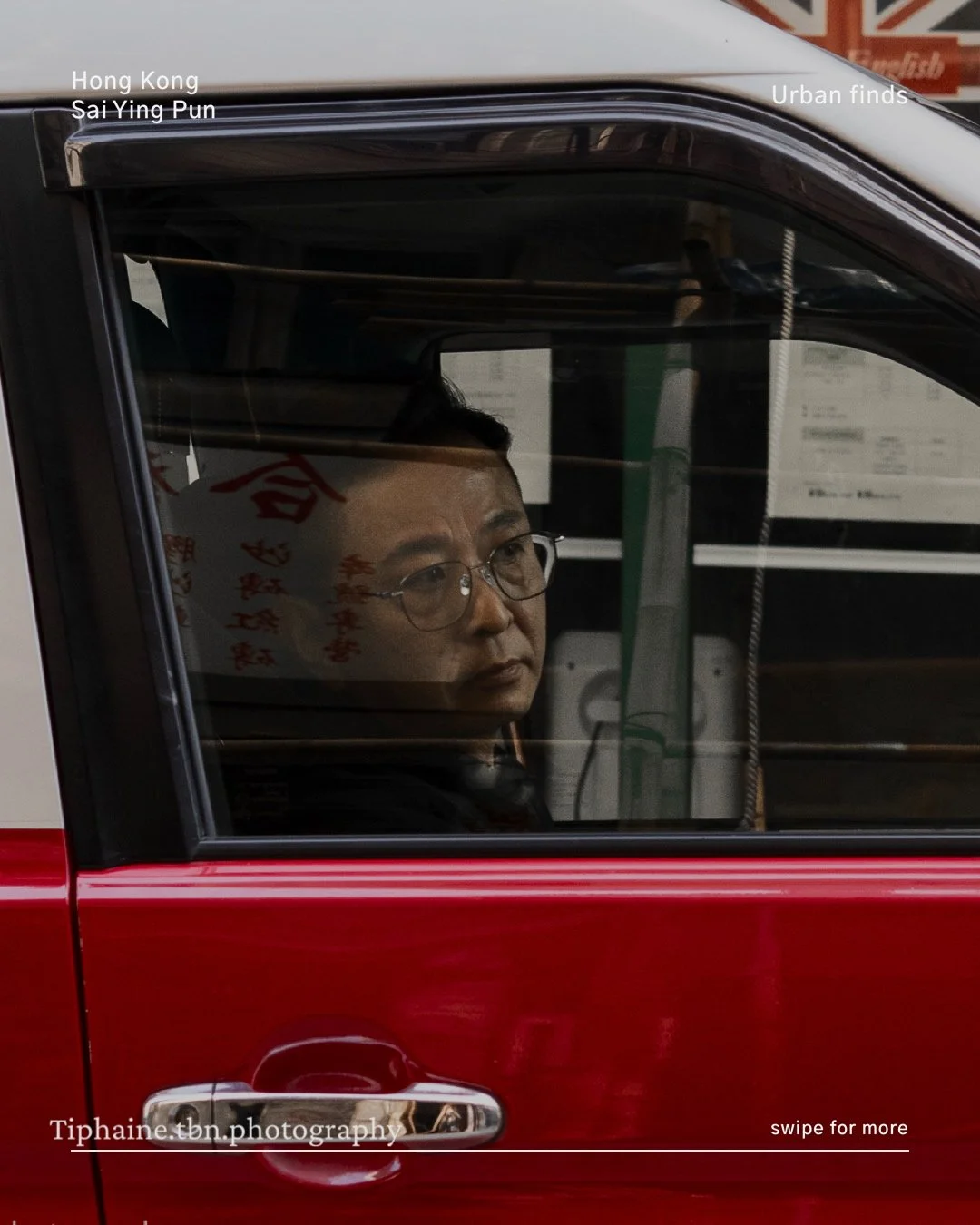
Today, with this series "Sai Ying Pun in Red," I invite you to immerse yourself in one of my favorite neighborhoods on Hong Kong Island. There is nothing particularly extraordinary here, and yet, its alleyways and cluttered sidewalks breathe life, much like the textures of its aged facades or the expressions and gestures of its residents. The magic of the camera lies in its power to capture the raw beauty of ordinary moments—often unpredictable and seized by a stroke of luck, simply because we were there at the right time. Here, I have intentionally heightened that beauty through a deliberate play of contrasts: between deep black and close concrete gray, the city's minerality, and the organic red and ochre tones that evoke the energy and vitality of its inhabitants, as I perceive and feel it.
Today, with this series "Sai Ying Pun in Red," I invite you to immerse yourself in one of my favorite neighborhoods on Hong Kong Island.
There is nothing particularly extraordinary here, and yet, its alleyways and cluttered sidewalks breathe life, much like the textures of its aged facades or the expressions and gestures of its residents. The magic of the camera lies in its power to capture the raw beauty of ordinary moments—often unpredictable and seized by a stroke of luck, simply because we were there at the right time. Here, I have intentionally heightened that beauty through a deliberate play of contrasts: between deep black and close concrete gray, the city's minerality, and the organic red and ochre tones that evoke the energy and vitality of its inhabitants, as I perceive and feel it.
———-
Aujourd’hui, avec cette série « Sai Ying Pun en Rouge », je vous invite à plonger dans un de mes quartiers préférés de l’île de Hong Kong. Il n’y a rien de particulièrement extraordinaire ici, et pourtant, ses ruelles et trottoirs encombrés respirent la vie tout comme les textures des façades vieillies ou les expressions et gestes de ses habitants. La magie de l’appareil photo réside dans son pouvoir de capturer la beauté brute de moments ordinaires, souvent imprévisibles et capturés grâce à un coup de chance, parce qu’on était là au bon moment. Ici, j’ai intentionnellement intensifié cette beauté par un jeu délibéré de contrastes entre le noir profond et le gris béton proches, la minéralité de la ville et les tons rouges et ocre organiques rappelant l’énergie et la vitalité des habitants, tel que je la perçois et la ressens.
Find these photos also on Instagram and on Foto
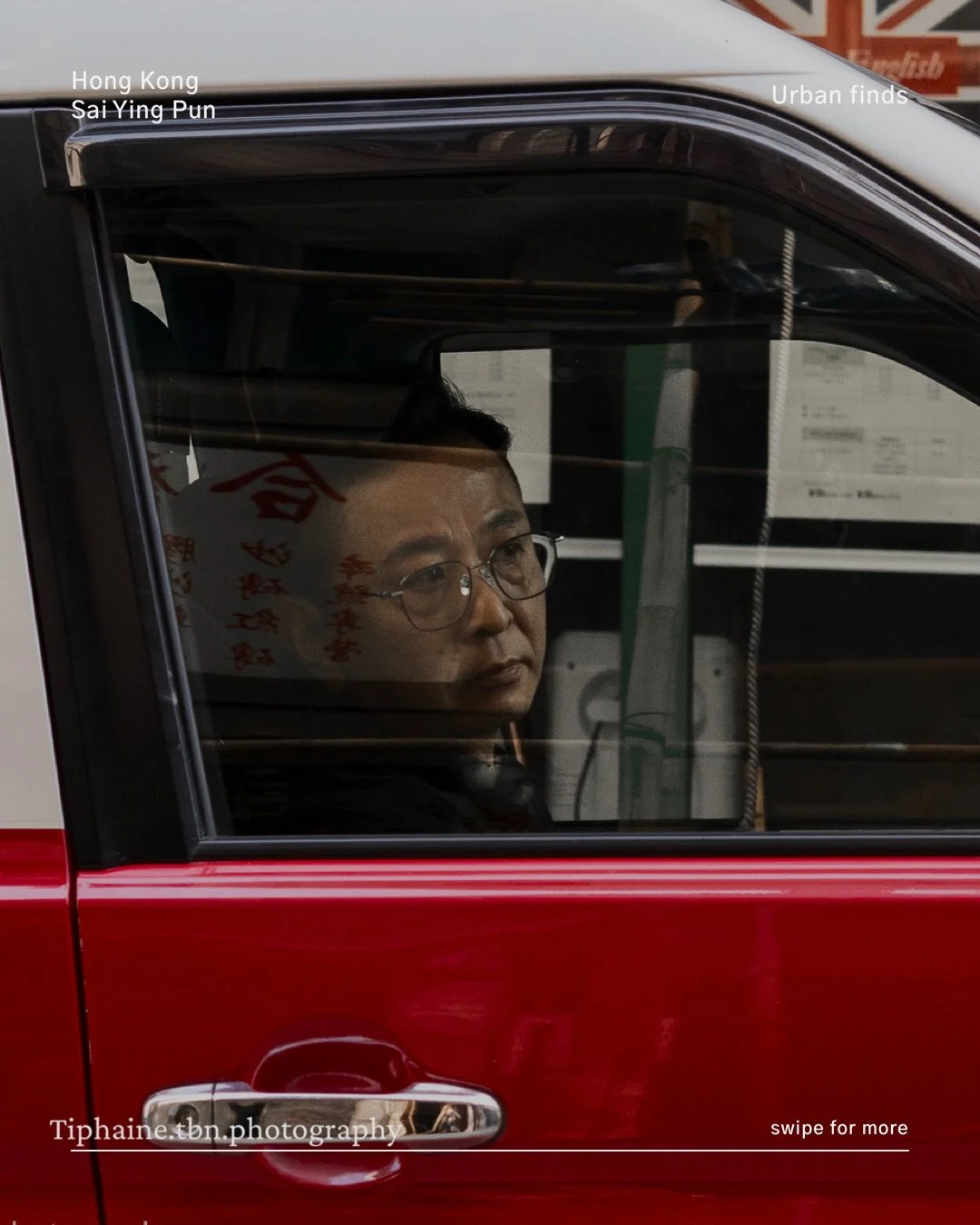
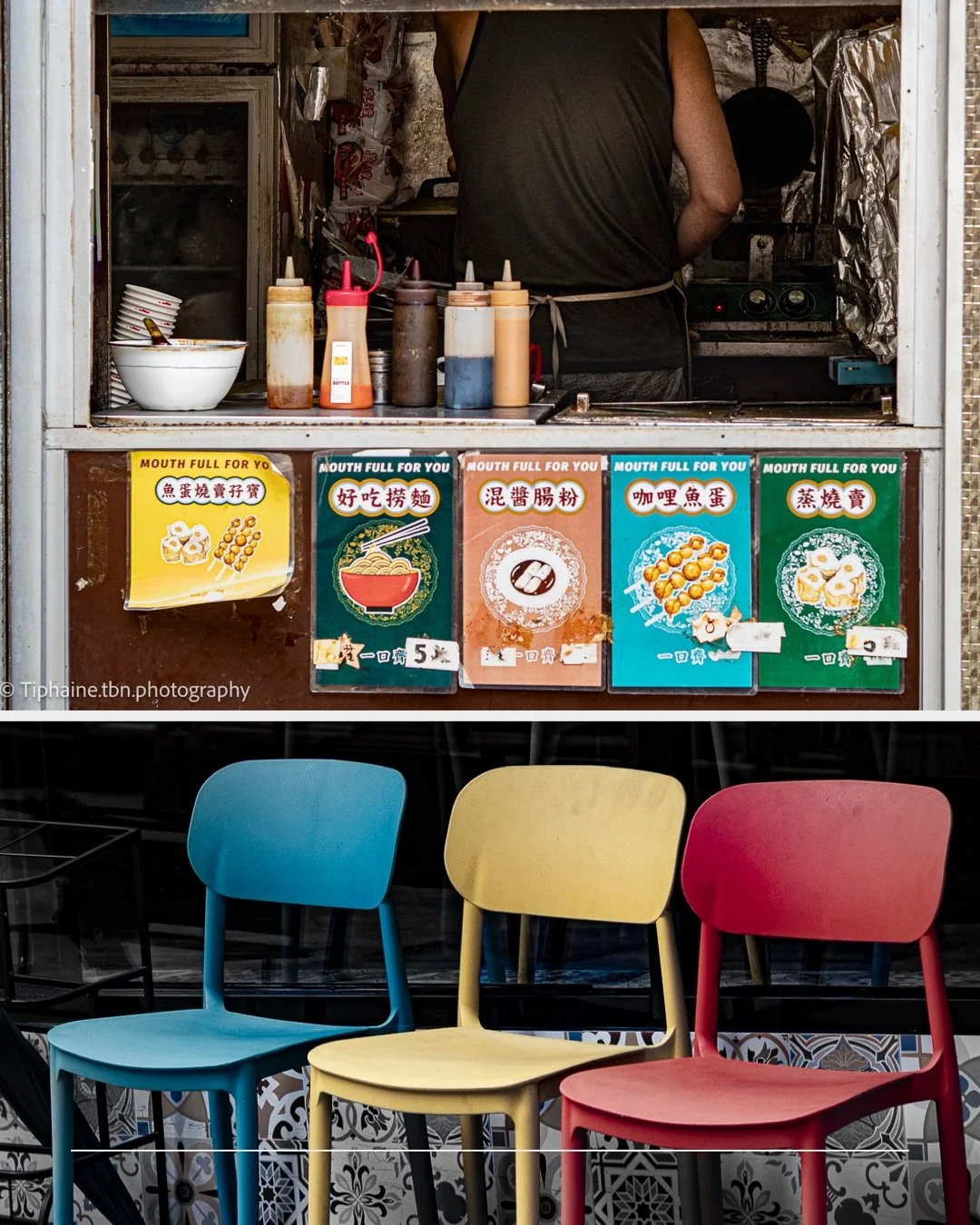
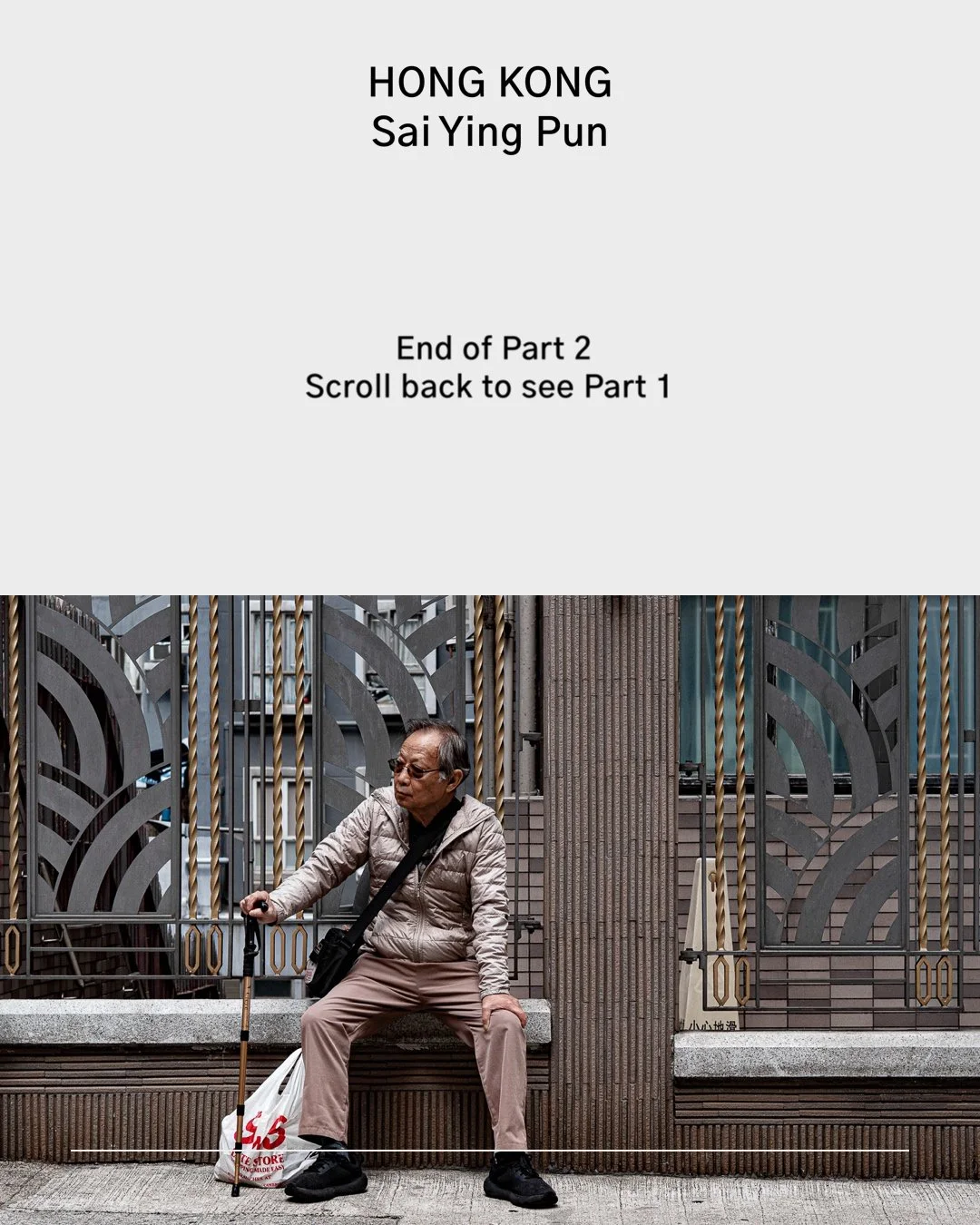
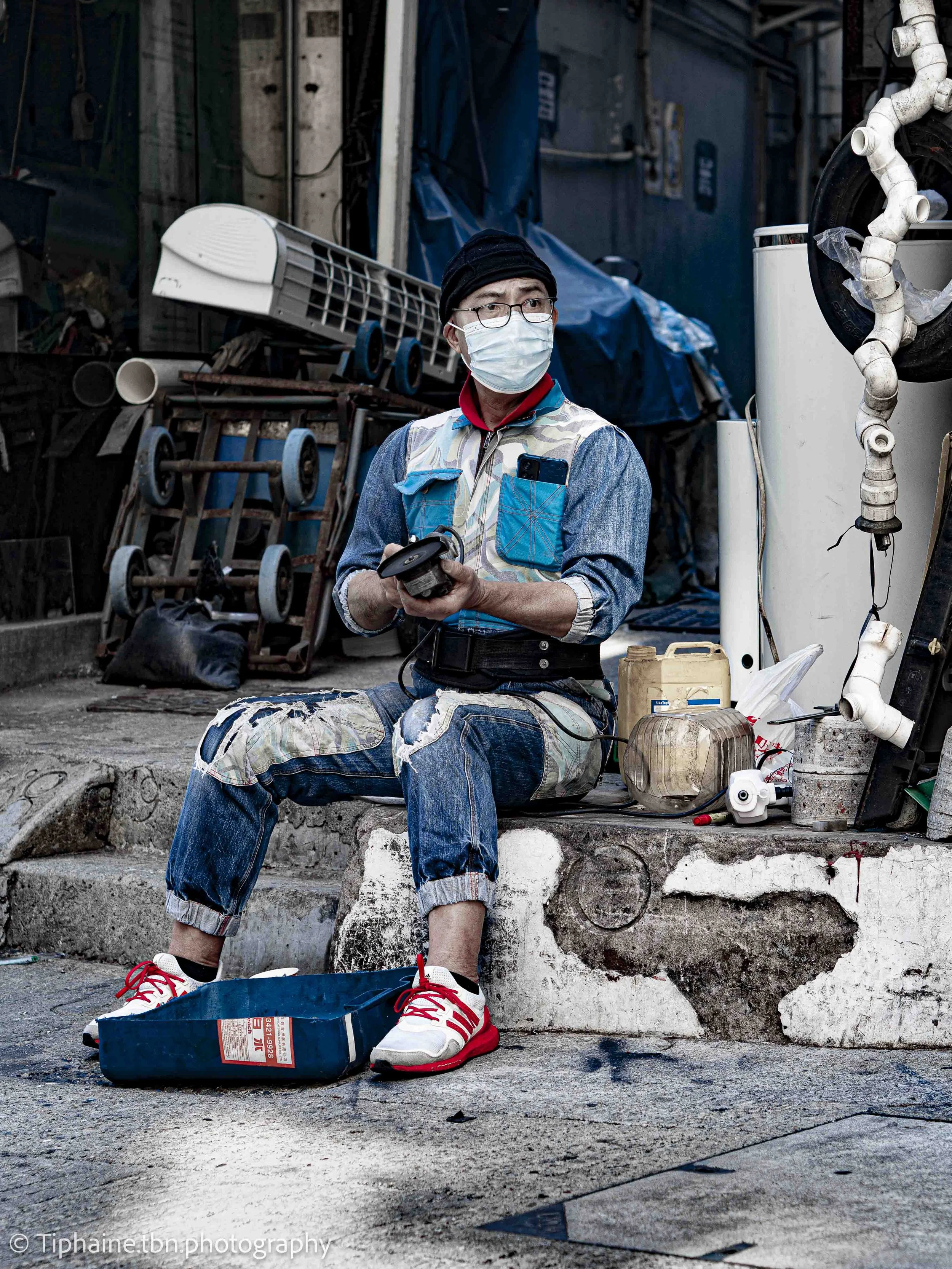
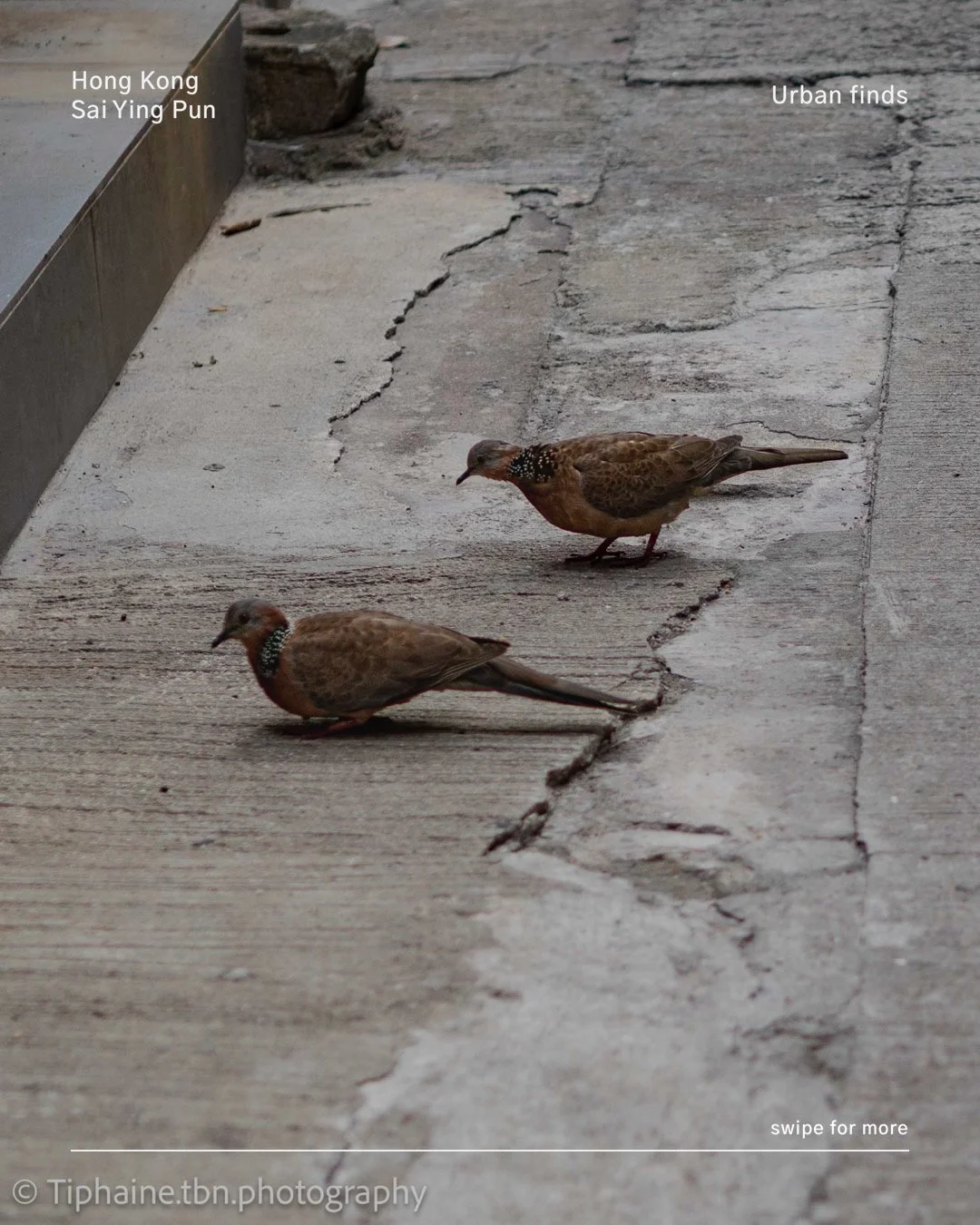
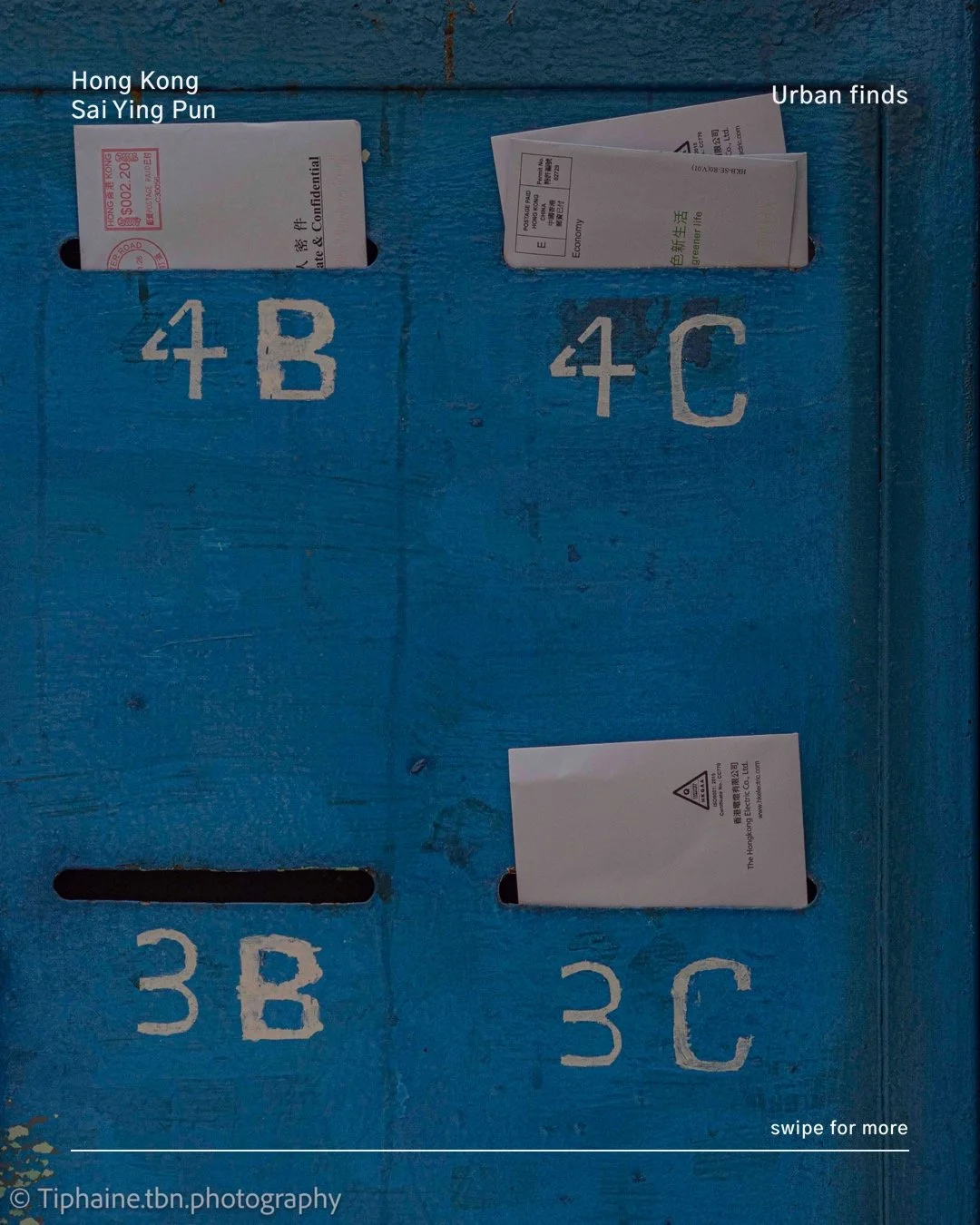
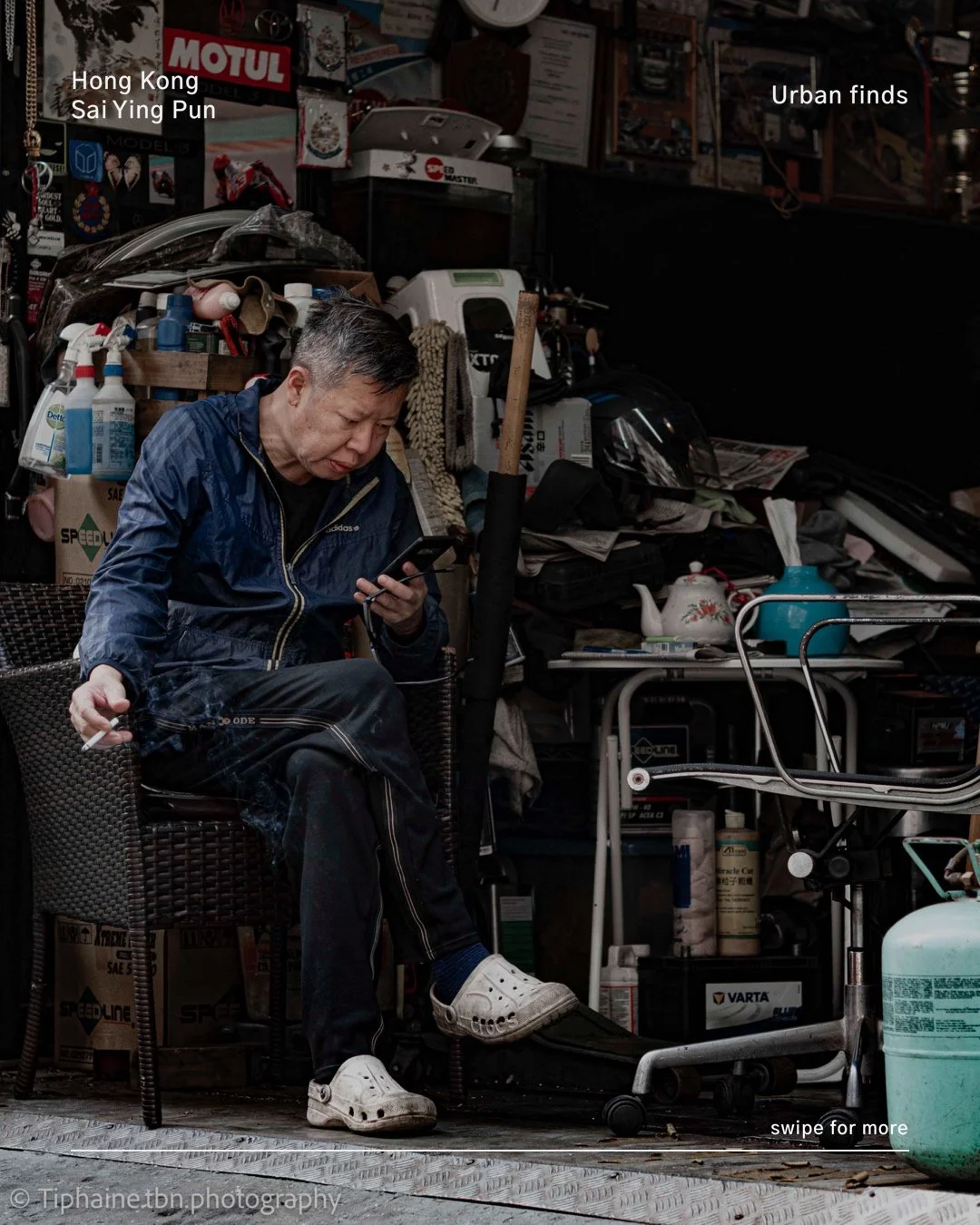
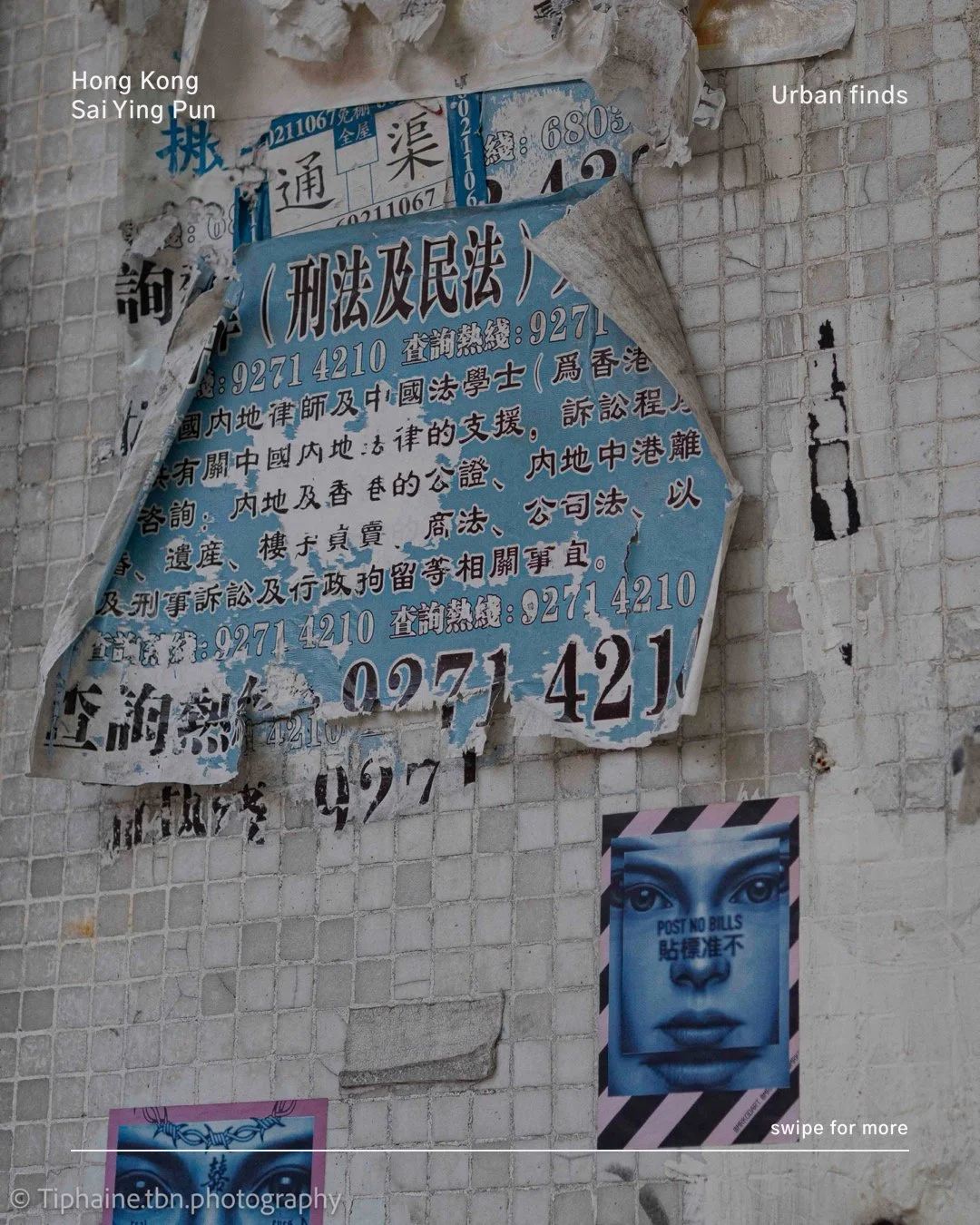
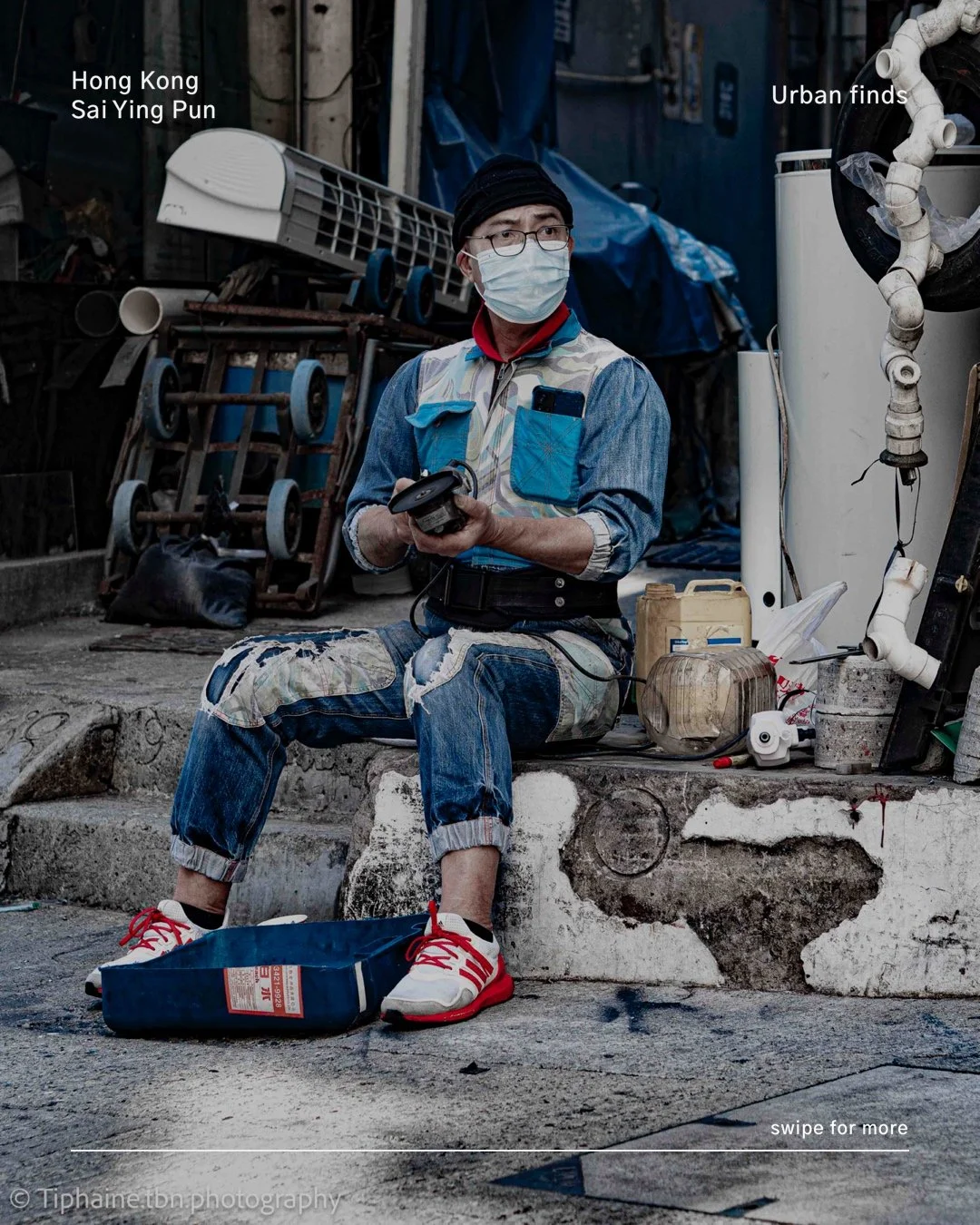
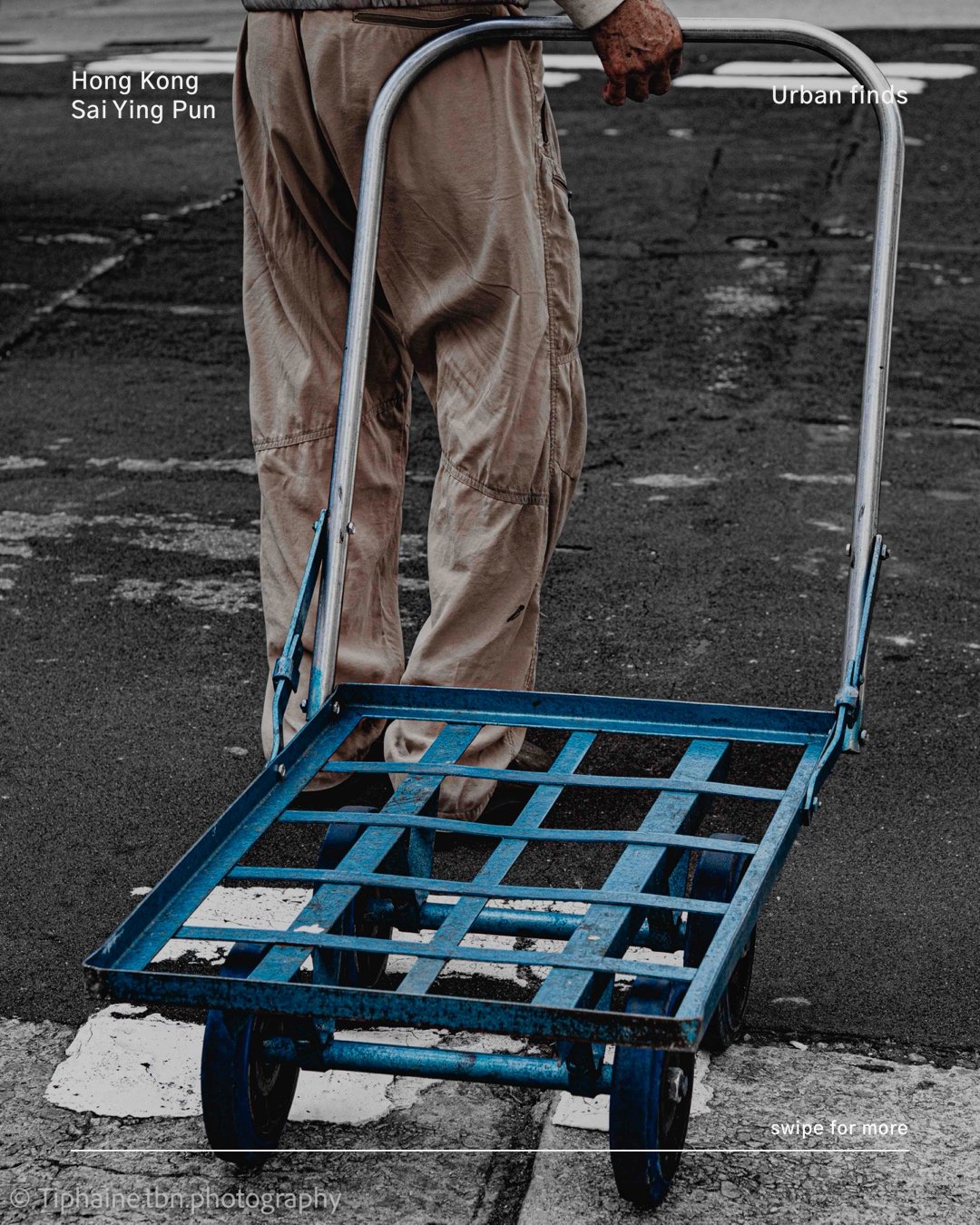
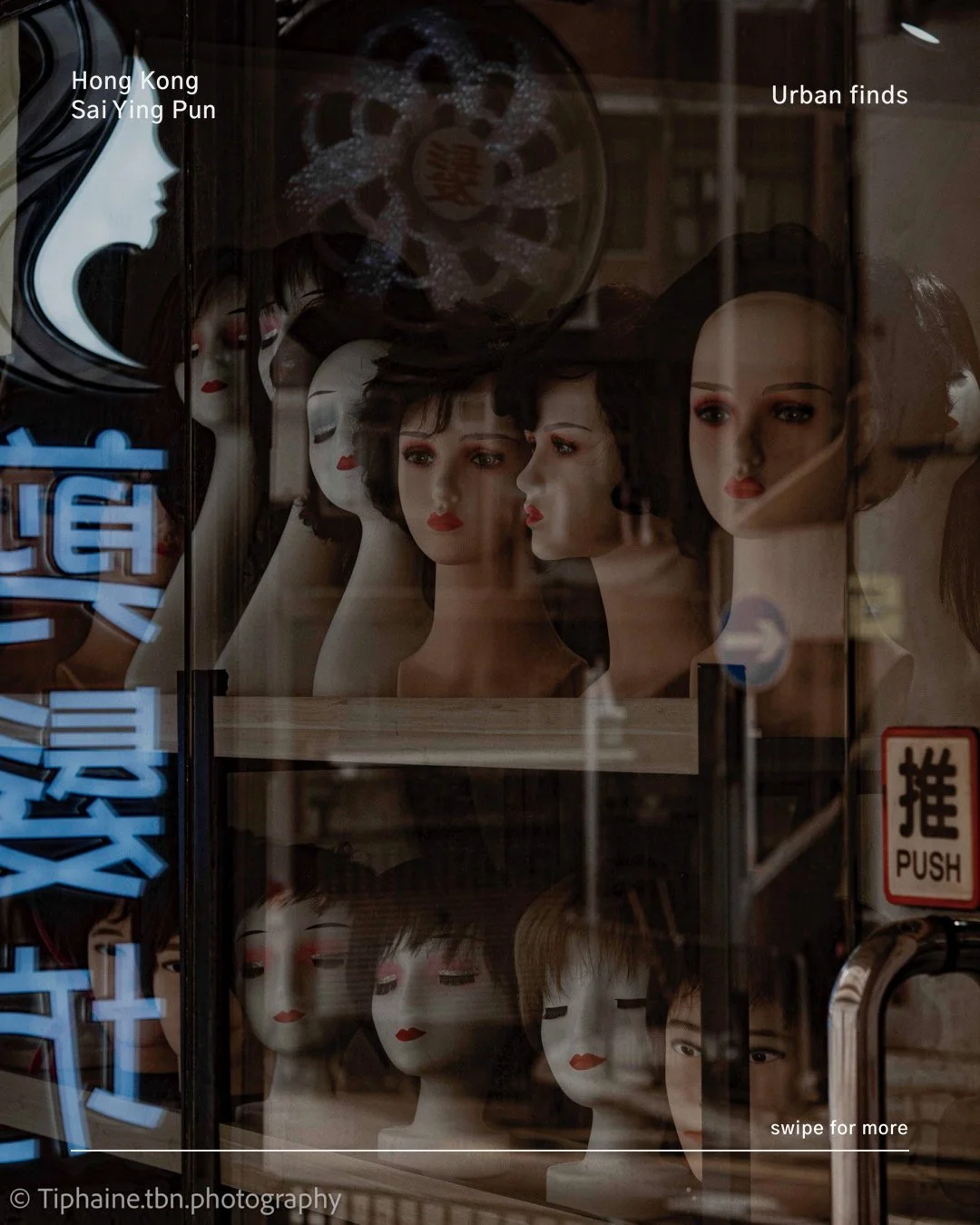
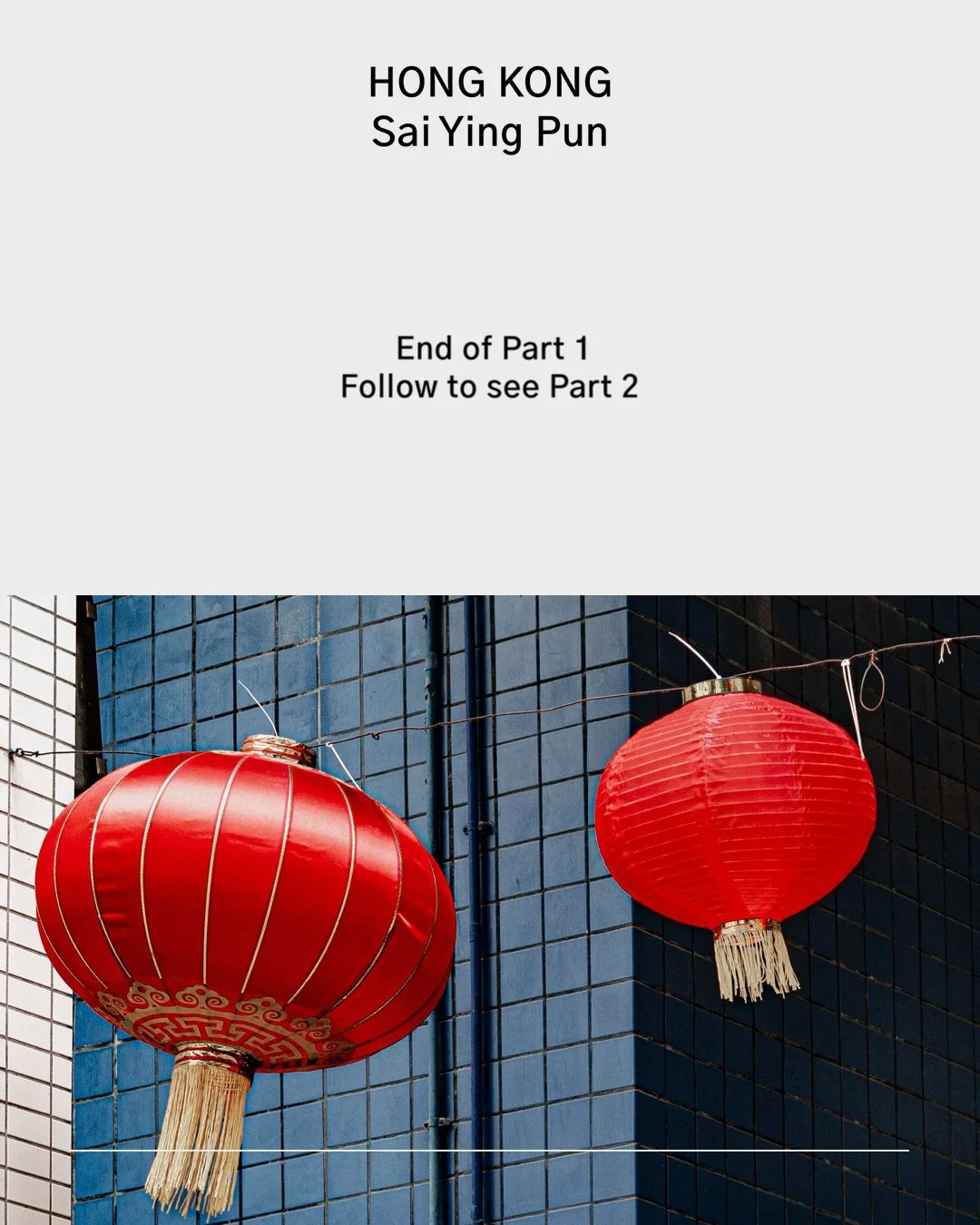
SAI YING PUN IN BLUE
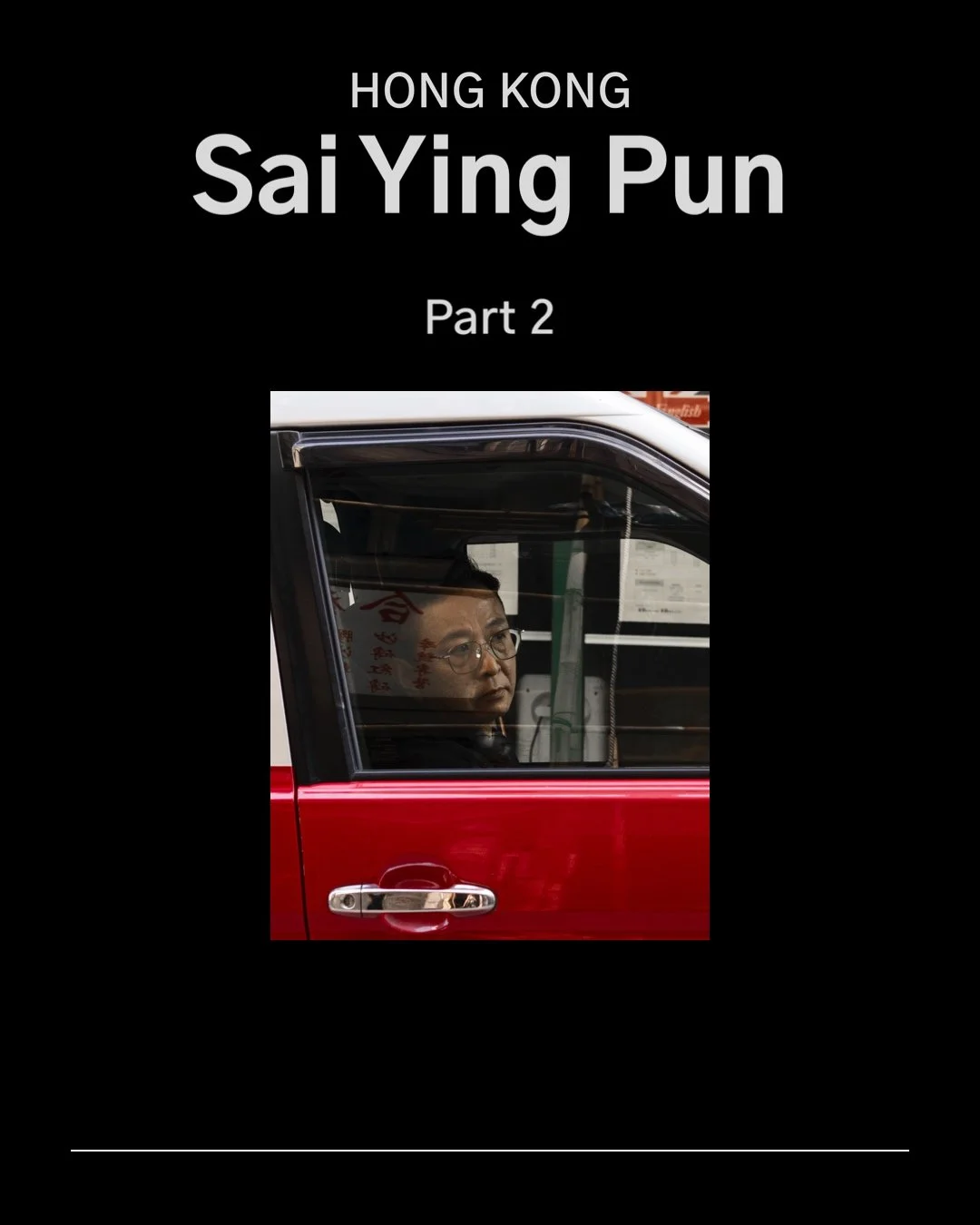
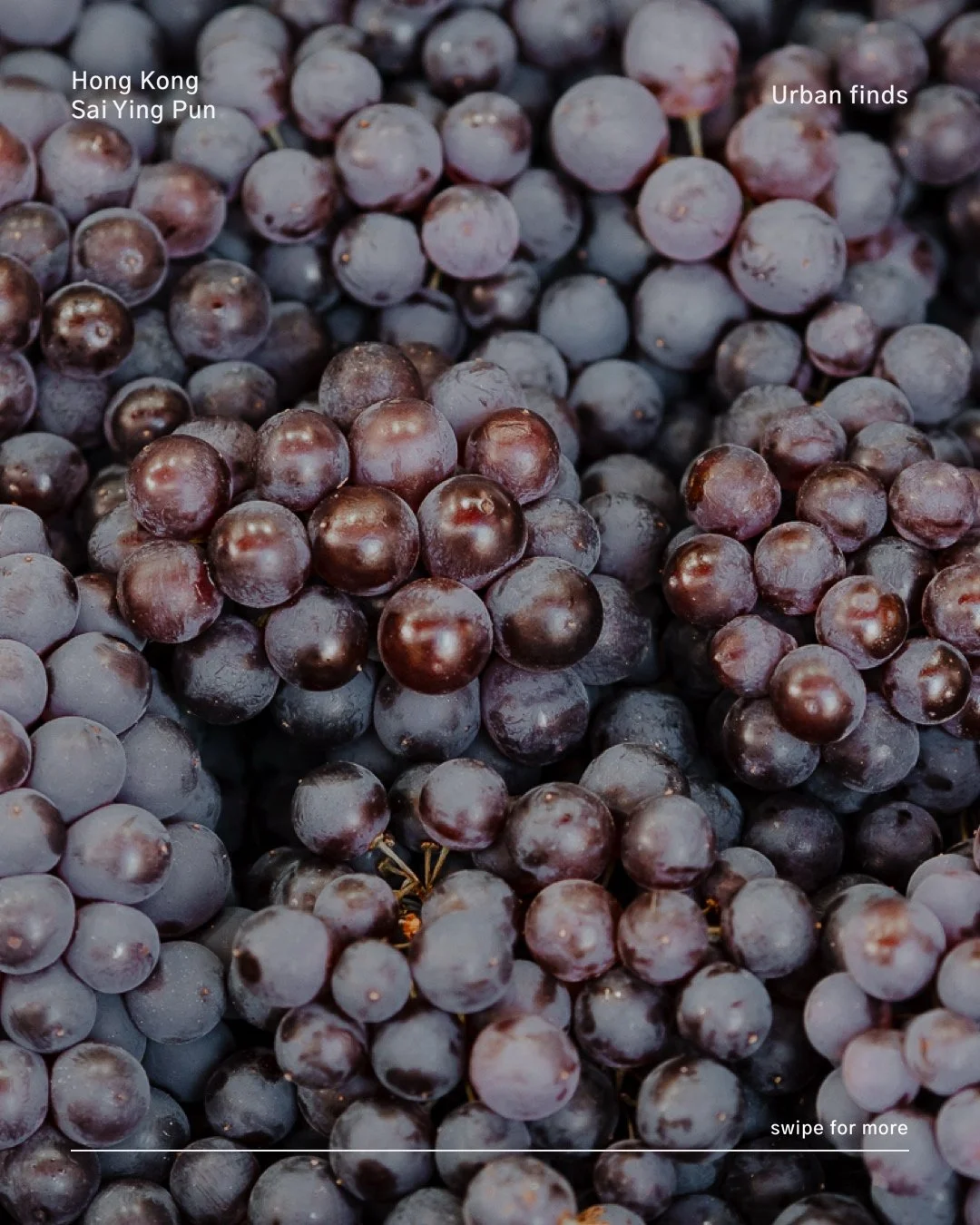
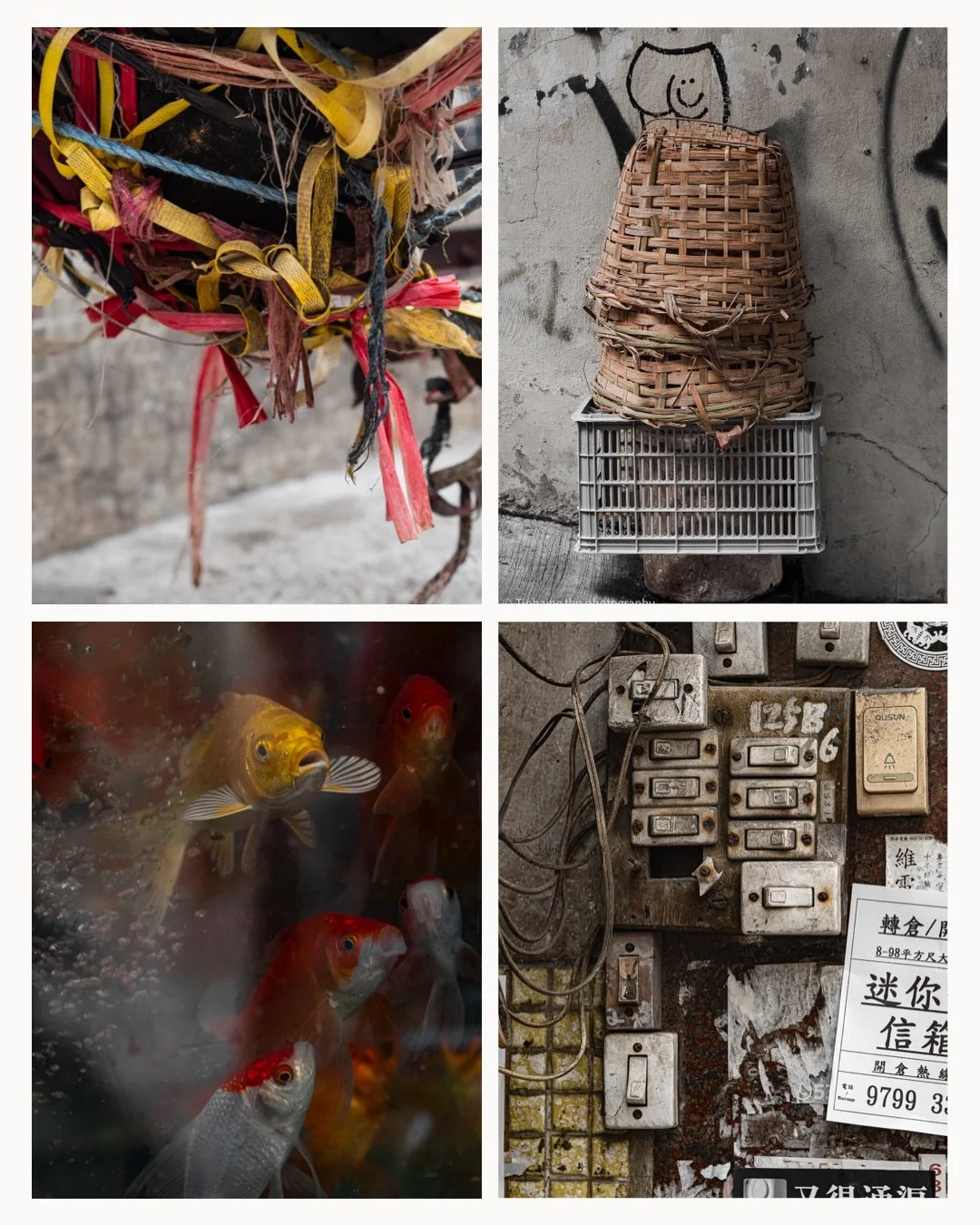
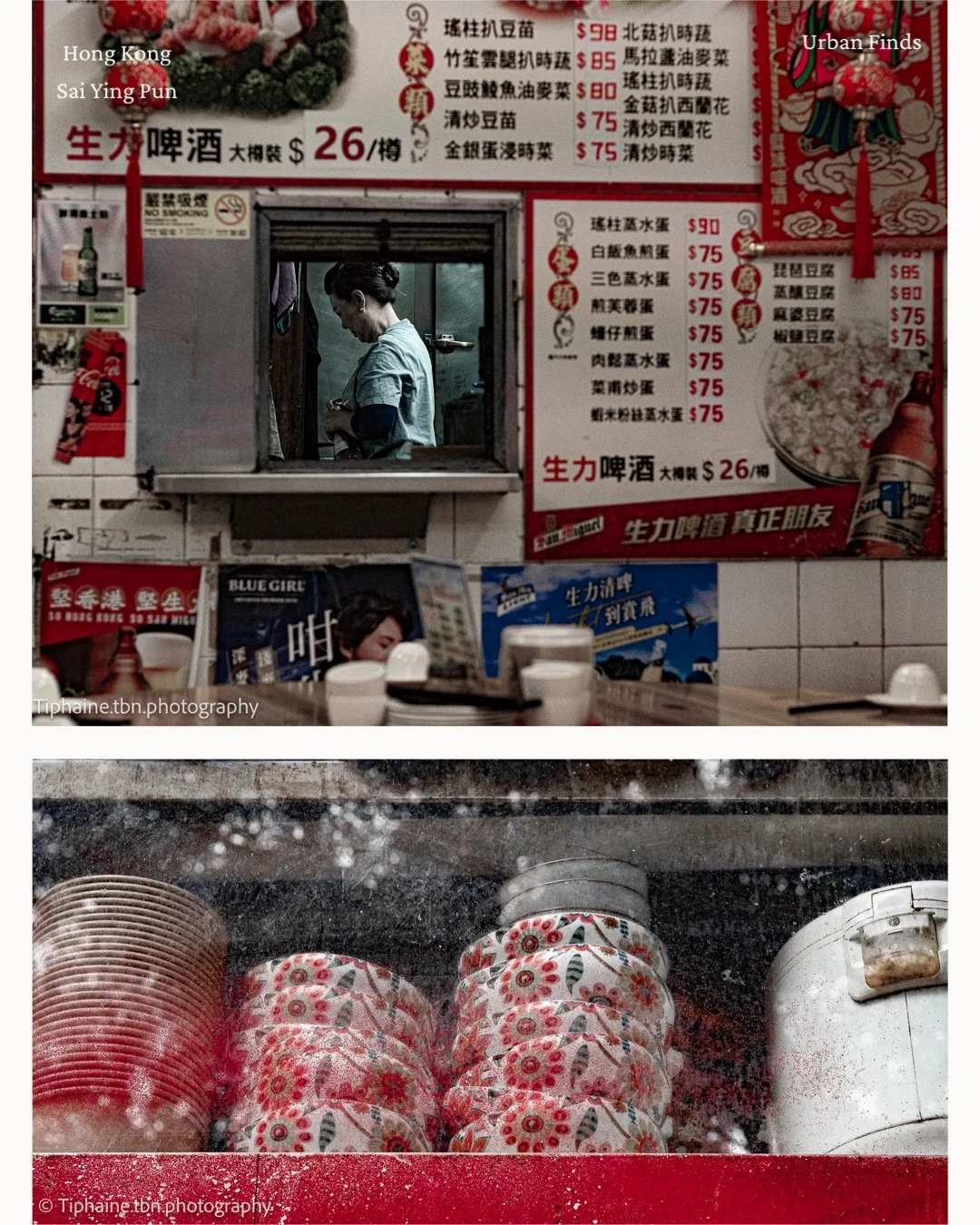
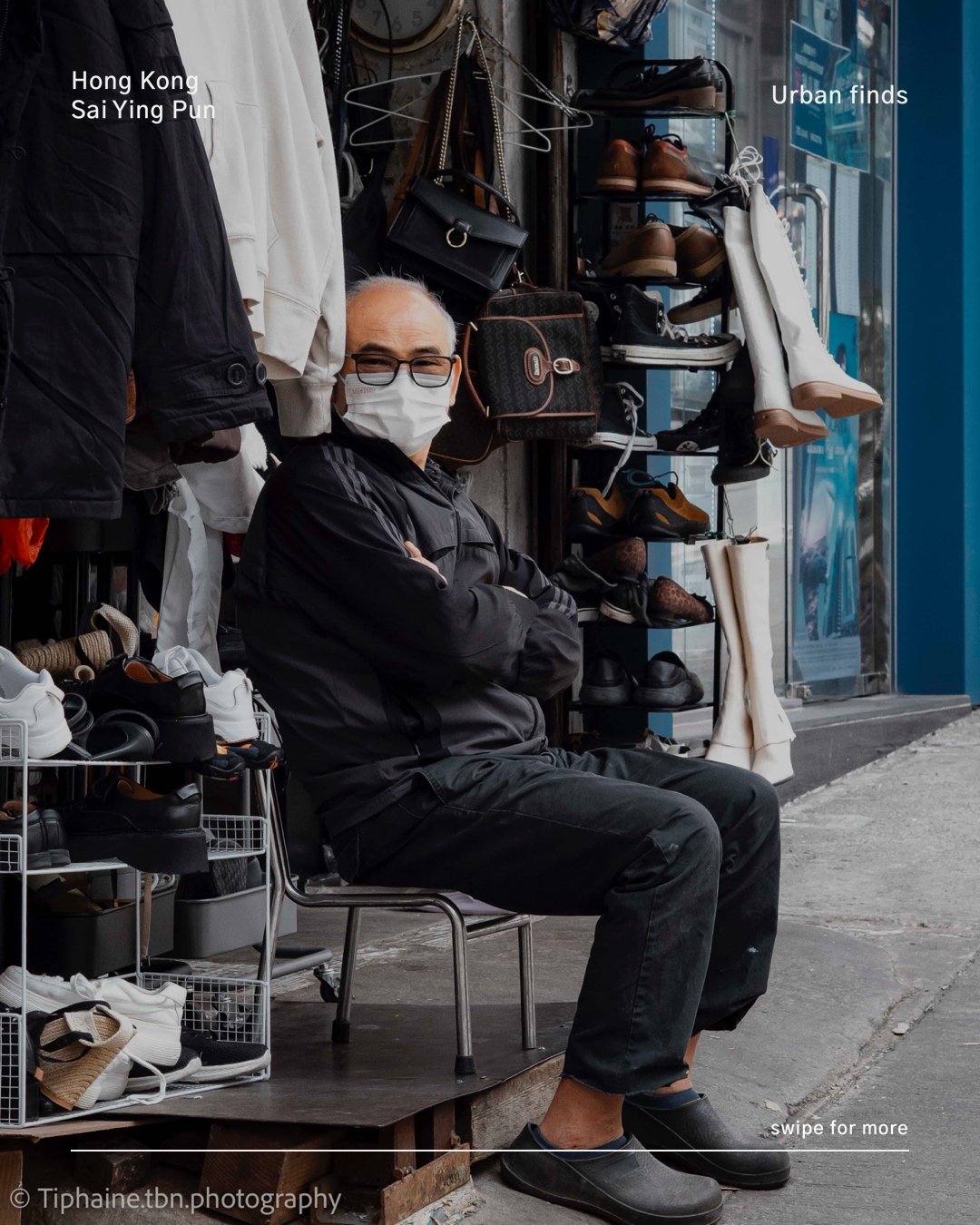
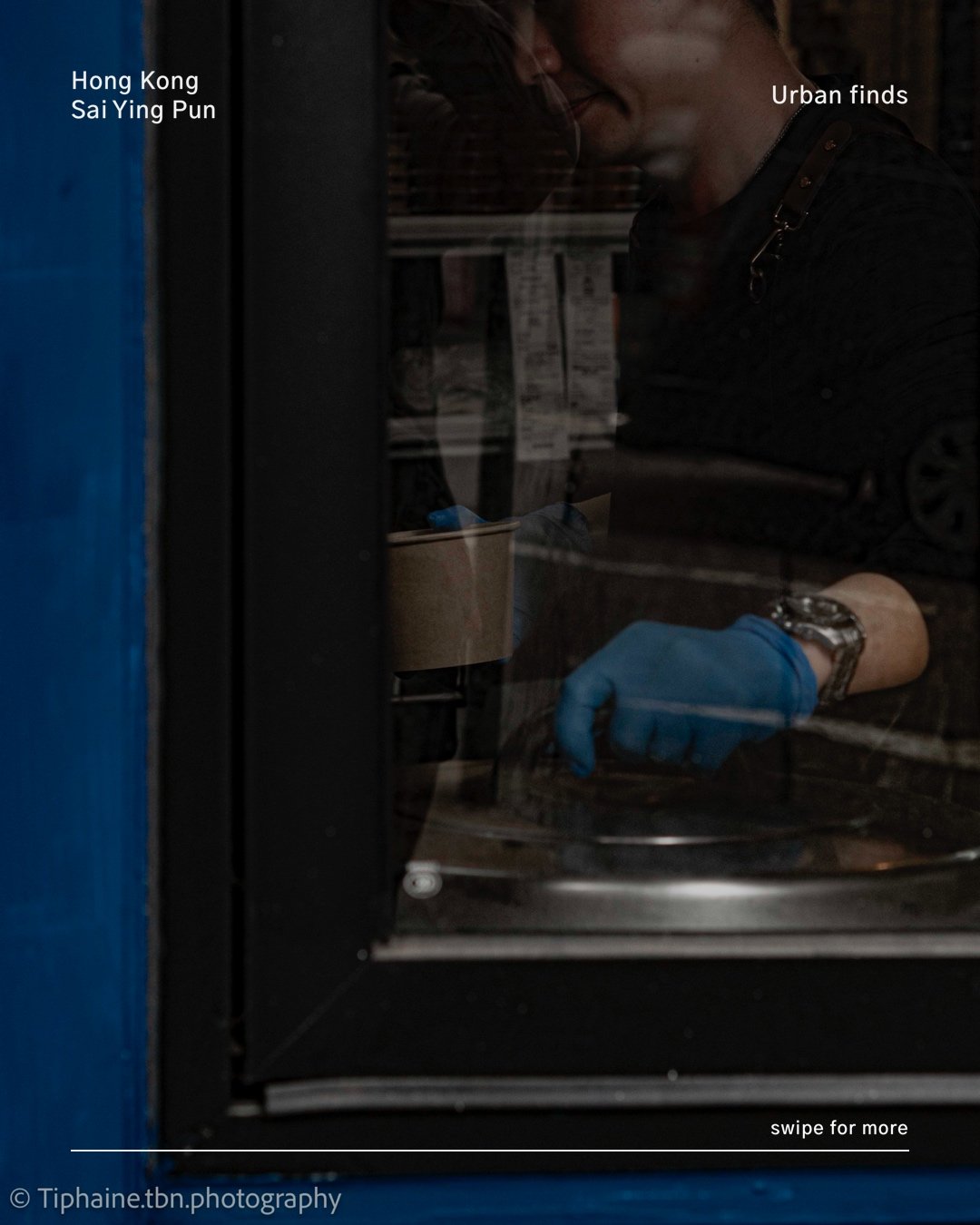
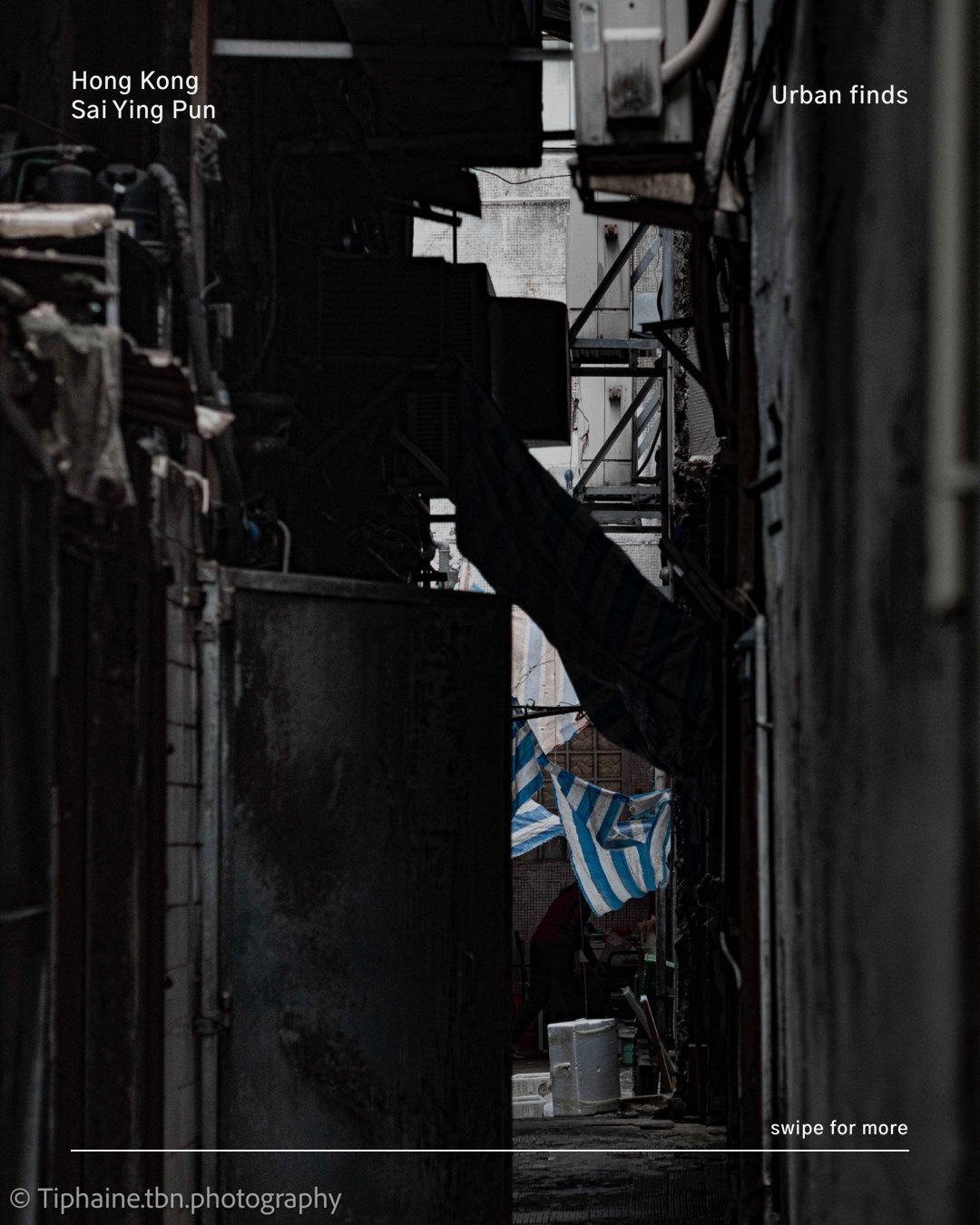
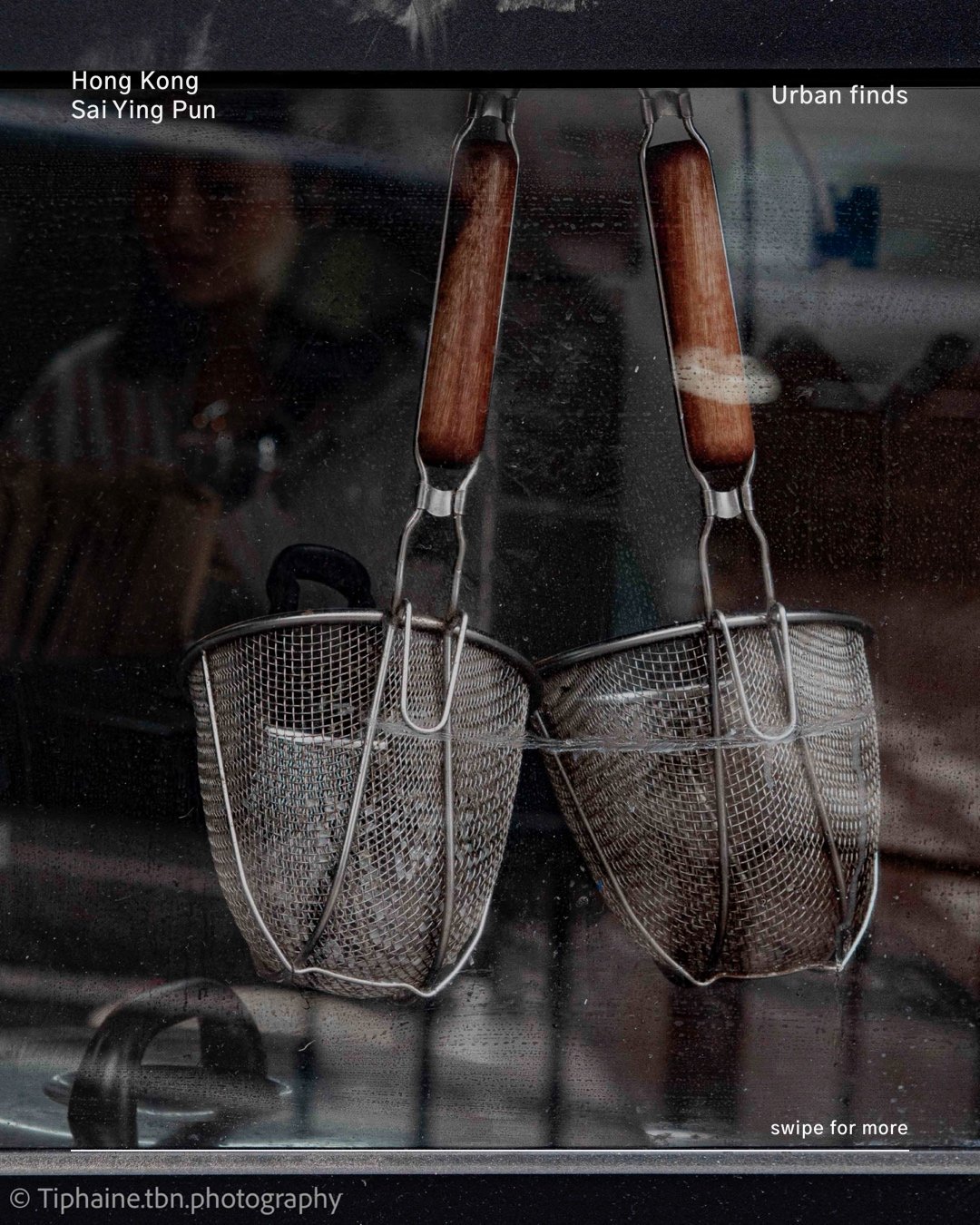
Today, with this series ‘Sai Ying Pun in Blue’, I’m taking you to the Sai Ying Pun district on Hong Kong Island. There’s nothing particularly extraordinary about it. Yet every alley whispers a story—whether through its passersby, its shopkeepers, its storefronts, its walls and lanes, scenes of daily life, or carefully chosen close-ups. The magic of the camera lies in its power to capture these fleeting moments and bring out their raw beauty. Here, I’ve intentionally enhanced that beauty through a play of contrasts and colours, to immerse you in the atmosphere of Hong Kong as I see and feel it.
Today, with this series ‘Sai Ying Pun in Blue’, I’m taking you to the Sai Ying Pun district on Hong Kong Island. There’s nothing particularly extraordinary about it.
Yet every alley whispers a story—whether through its passersby, its shopkeepers, its storefronts, its walls and lanes, scenes of daily life, or carefully chosen close-ups. The magic of the camera lies in its power to capture these fleeting moments and bring out their raw beauty. Here, I’ve intentionally enhanced that beauty through a play of contrasts and colours, to immerse you in the atmosphere of Hong Kong as I see and feel it.
———-
Aujourd’hui, avec cette série ‘Said Ying Pun in Dark Blue’ , je vous emmène dans le quartier de Sai Ying Pun sur l’île de Hong Kong. Celui-ci n’a rien d’extraordinaire. Pourtant, chaque ruelle murmure une histoire, que ce soit à travers ses passants, ses commerçants, ses devantures, ses murs et ses ruelles, des scènes de vie ou des gros plans choisis. Le pouvoir magique de l’appareil photo, c’est de capturer ces moments fugitifs et d’en souligner la beauté brute. Beauté que j’ai ici volontairement rehaussée par un travail sur les contrastes et les couleurs pour vous faire plonger dans l’atmosphère de Hong Kong telle que je la vois et la ressens.
Find these photos also on Instagram and on Foto
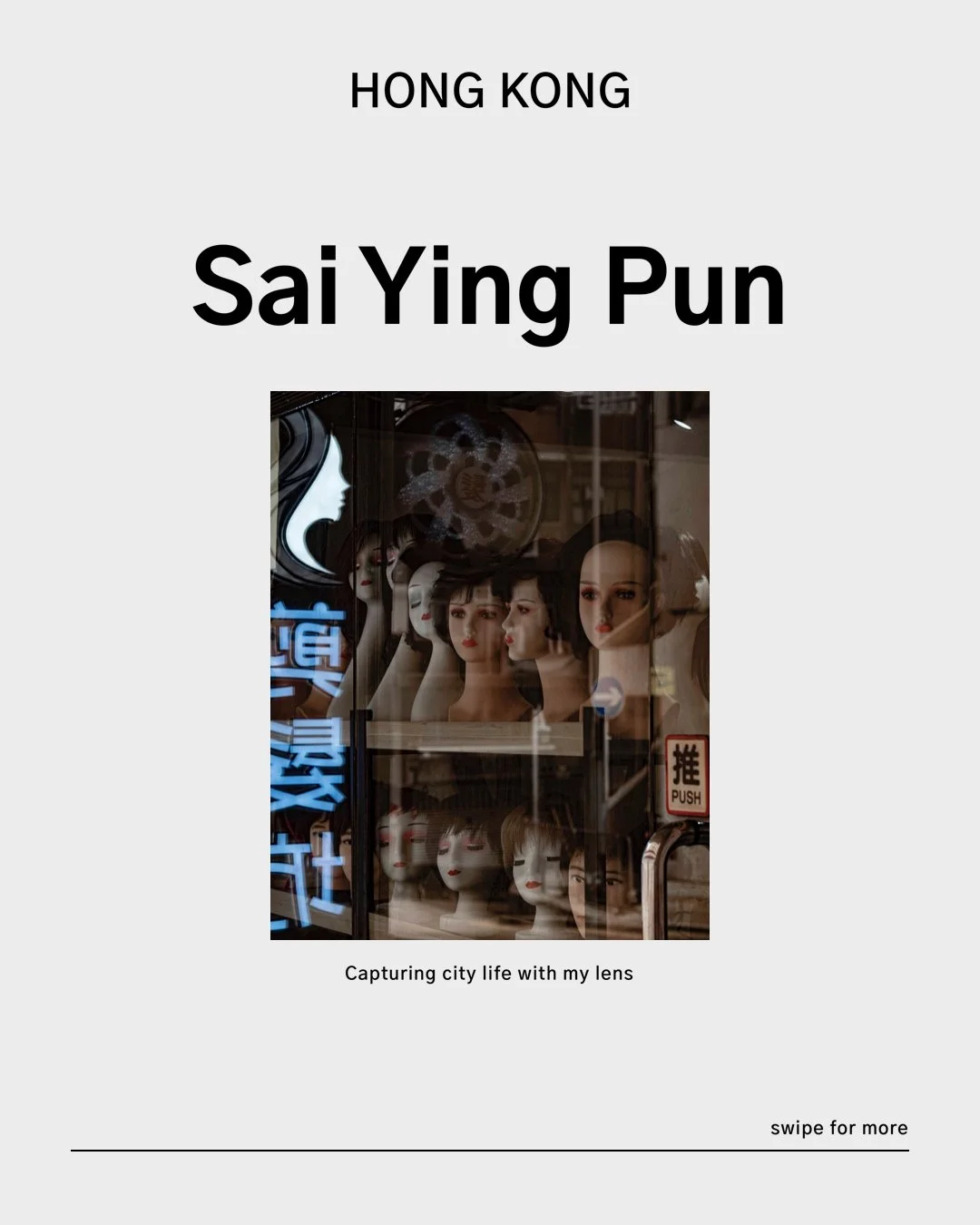
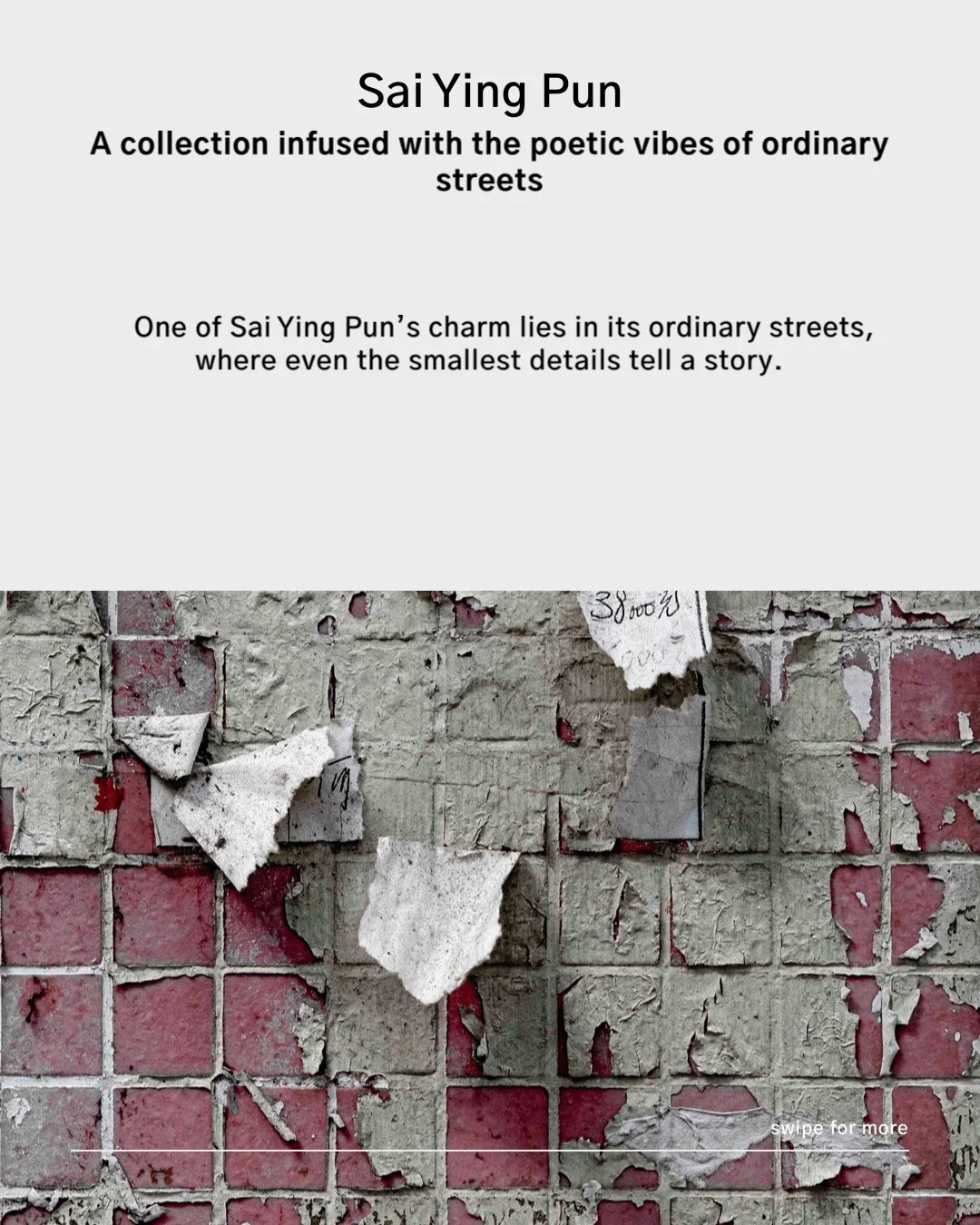
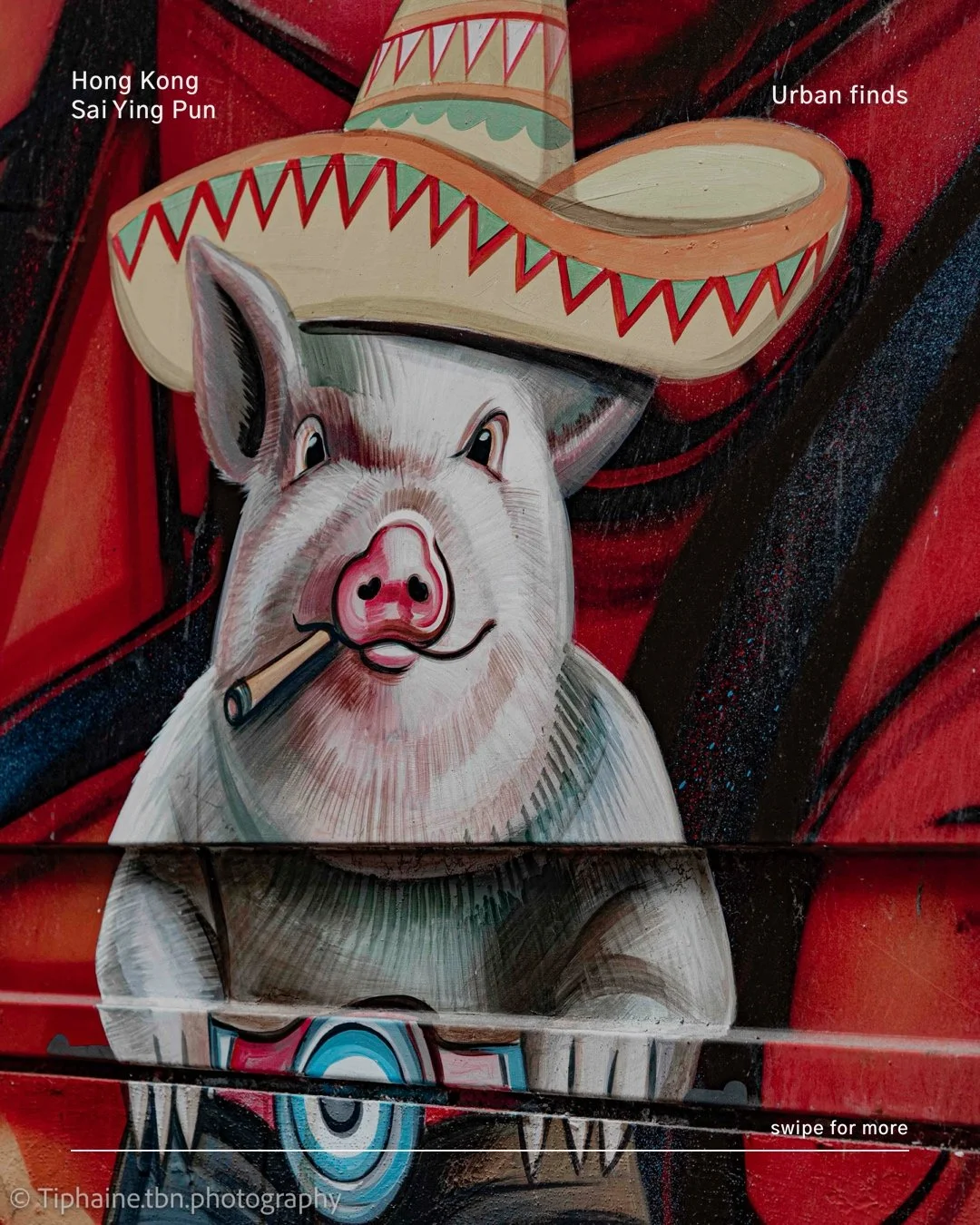
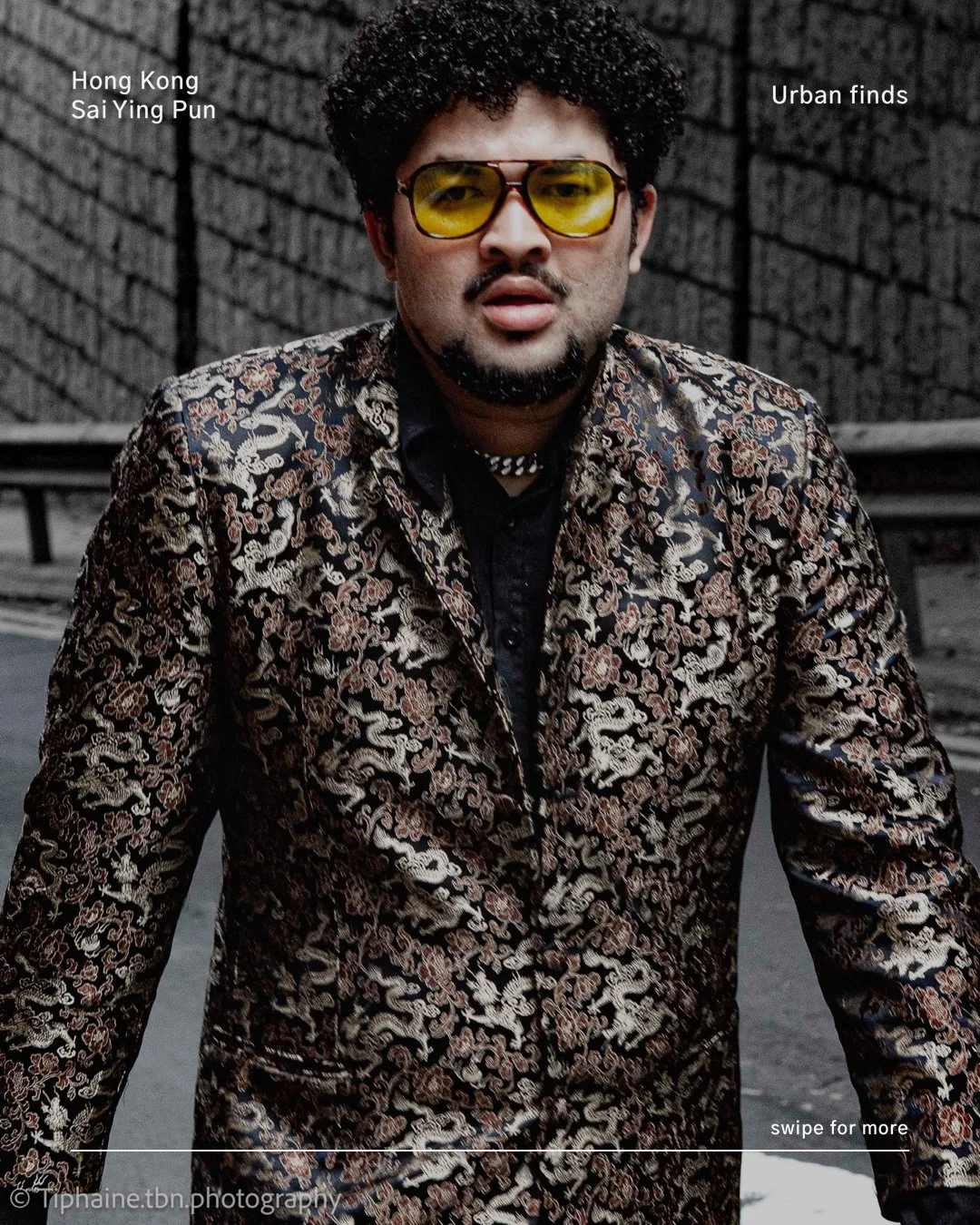
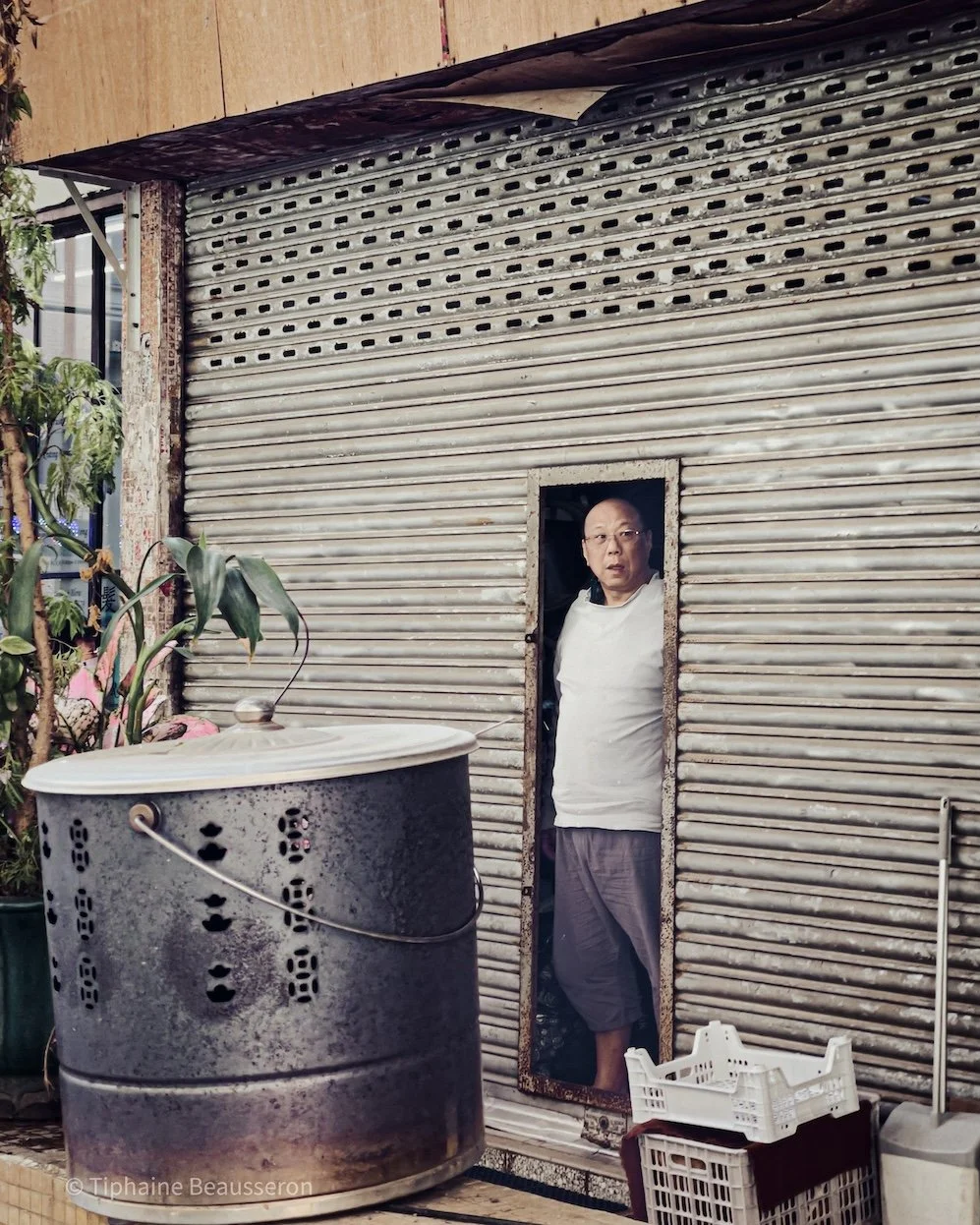
Human Anchoring: A Meditative Study in the Heart of Hong Kong
Photography, for me, is first and foremost a quest for anchoring. It is the visual journal that attempts to capture that invisible bond which nourishes our souls and profoundly unites beings, regardless of absence or distance. It is in this approach that I align with the spirit of humanist masters. Robert Doisneau, with his ability to reveal the discrete poetry of the Parisian ordinary, and Vivian Maier, whose work is a meditative study of human presence, are guiding lights. They inspire me to seek, not the crowd, but the individual, the intimate point of contact within the world’s tumult.
Human Anchoring
Photography, for me, is first and foremost a quest for anchoring. It is the visual journal that attempts to capture that invisible bond which nourishes our souls and profoundly unites beings, regardless of absence or distance. It is in this approach that I align with the spirit of humanist masters. Robert Doisneau, with his ability to reveal the discrete poetry of the Parisian ordinary, and Vivian Maier, whose work is a meditative study of human presence, are guiding lights. They inspire me to seek, not the crowd, but the individual, the intimate point of contact within the world’s tumult.
This is how this scene imposed itself upon me in a Hong Kong alley. A city where interconnection is often virtual, where the material dictates the rhythm, and where the need to rediscover a Modernist sensibility in the face of effervescence is palpable.
(shot on Olympus iPhone 12 Pro in December 2024)
The Poetic Minimalism of Composition
The strength of this image lies in its poetic minimalism. The urban architecture, made of cold metal and repetitive horizontal lines, offers a striking contrast. The steel shutter, a symbol of transaction and concealment, paradoxically becomes the setting for the human element.
The composition is a demonstration of the power of the frame within a frame. The subject is literally isolated, extracted from the surrounding agitation. This small opening, this cutout in the facade, is no longer a mere door, but a threshold that confers a dignified presence upon the man. He is the visual and emotional anchoring point. The perspective, by placing him at the center of this rigid structure, underscores the importance of the individual against the mass. He is not overwhelmed by the city; he contains it, he represents it. It is a portrait of the human that persists, that remains, despite the environment.
The Subtle Language of Timelessness
The chromatic treatment of this photograph is an integral part of its narrative. I deliberately sought a patina, a delicacy of tones that evokes aged film and Pictorialism. By desaturating the colors and lending them a subtle warmth, I aim to create timelessness.
This is not a simple vintage effect. It is a philosophical choice: to blur the markers of time so that this man’s gaze, his posture, his story, become universal. Color here becomes a subtle language of visual symbols, suggesting that the themes of humanity, solitude, and connection are eternal. This Hong Kong scene could be that of any city, at any time, because it touches upon the fundamental truth of our condition.
This image is, ultimately, an invitation to the viewer to take part in this intimate narrative process. It questions: what place do we grant to this invisible bond, to this discrete poetry of existence, in our age of artificial intelligence and virtual connection? It reminds us that the true wealth of a city is measured by the depth of its inhabitants’ gaze.
Find these photos also on Instagram and Foto
L’Ancrage Humain : Une Étude Méditative au Cœur de Hong Kong
La photographie, pour moi, est une quête de l’ancrage. Elle est le journal visuel qui tente de saisir cet invisible liant qui nourrit nos âmes et unit profondément les êtres, par-delà l’absence ou la distance. C’est dans cette démarche que je rejoins l’esprit de maîtres humanistes. Robert Doisneau, avec sa capacité à révéler la poésie discrète de l’ordinaire parisien, et Vivian Maier, dont l’œuvre est une étude méditative de la présence humaine, sont des phares. Ils m’inspirent à chercher, non pas la foule, mais l’individu, le point de contact intime dans le tumulte du monde.
C’est ainsi que cette scène s’est imposée à moi au pied des Monster Buildings du Quarry Bay à Hong Kong.
Le Minimalisme Poétique de la Composition
La force de cette image réside dans son minimalisme poétique. L’architecture urbaine, faite de métal froid et de lignes horizontales répétitives, offre un contraste saisissant. Le rideau de fer, symbole de la transaction et de l’occultation, devient paradoxalement l’écrin de l’humain.
La composition est une démonstration de la puissance du cadre dans le cadre. Le personnage est littéralement isolé, extrait de l’agitation. Cette petite ouverture, cette découpe dans la façade, n’est plus une simple porte, mais un seuil qui confère une présence digne à l’homme. Il est le point d’ancrage visuel et émotionnel. La perspective, en le plaçant au centre de cette structure rigide, souligne l’importance de l’individu face à la masse. Il n’est pas submergé par la ville ; il la contient, il la représente. C’est un portrait de l’humain qui persiste, qui demeure, malgré l’environnement.
Le Langage Subtil de l’Intemporalité
Le traitement chromatique de cette photographie est une partie intégrante de son récit. J’ai volontairement recherché une patine, une délicatesse des tons qui évoque l’argentique et le Pictorialisme. En désaturant les couleurs et en leur conférant une chaleur subtile, je cherche à créer une intemporalité.
Ce n’est pas un simple effet vintage. C’est un choix philosophique : estomper les marqueurs du temps pour que le regard de cet homme, sa posture, son histoire, deviennent universels. La couleur devient un langage subtil de symboles visuels, suggérant que les thèmes de l’humain, de la solitude et du lien sont éternels. Cette scène de Hong Kong pourrait être celle de n’importe quelle ville, à n’importe quelle époque, car elle touche à la vérité fondamentale de notre condition.
Cette image est, en définitive, une invitation au spectateur à prendre part à ce processus narratif intime. Elle interroge : quelle place accordons-nous à ce lien invisible, à cette poésie discrète de l’existence, dans notre ère de l’intelligence artificielle et de la connexion virtuelle ? Elle nous rappelle que la véritable richesse d’une ville se mesure à la profondeur du regard de ses habitants.
CERAMIC & PHOTOGRAPHY : A POETIC DIALOGUE BETWEEN STILL LIFES
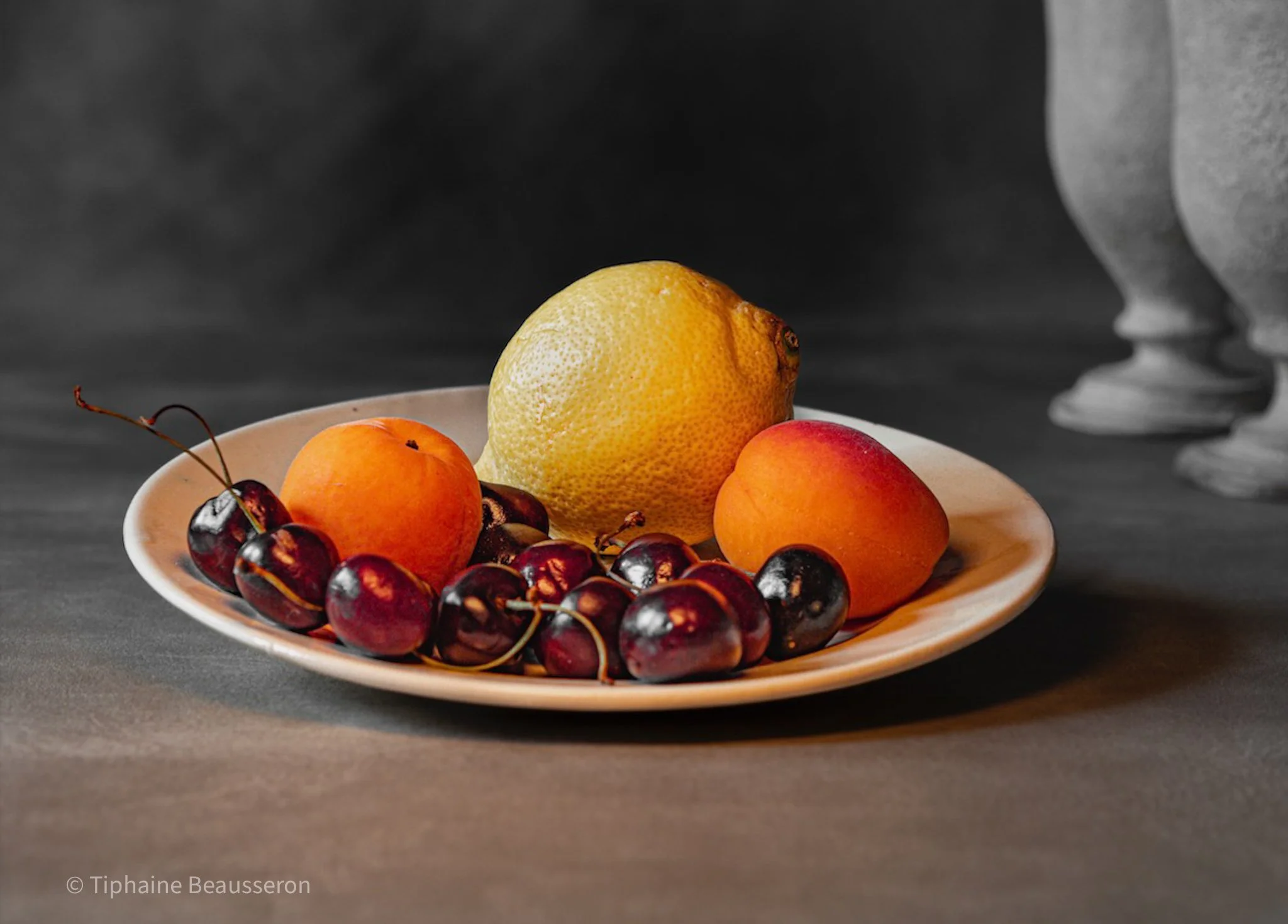
On the occasion of the Cezanne Year celebrated in 2025** by the city of Aix-en-Provence, I also wanted to pay tribute to him in my own way. I therefore created this photograph inspired by his painting 'Apricots and Cherries on a Plate'. This photograph and the integrated ceramics are currently exhibited in Hong Kong at the Ceramic Studio Tao Tao Ceramic.
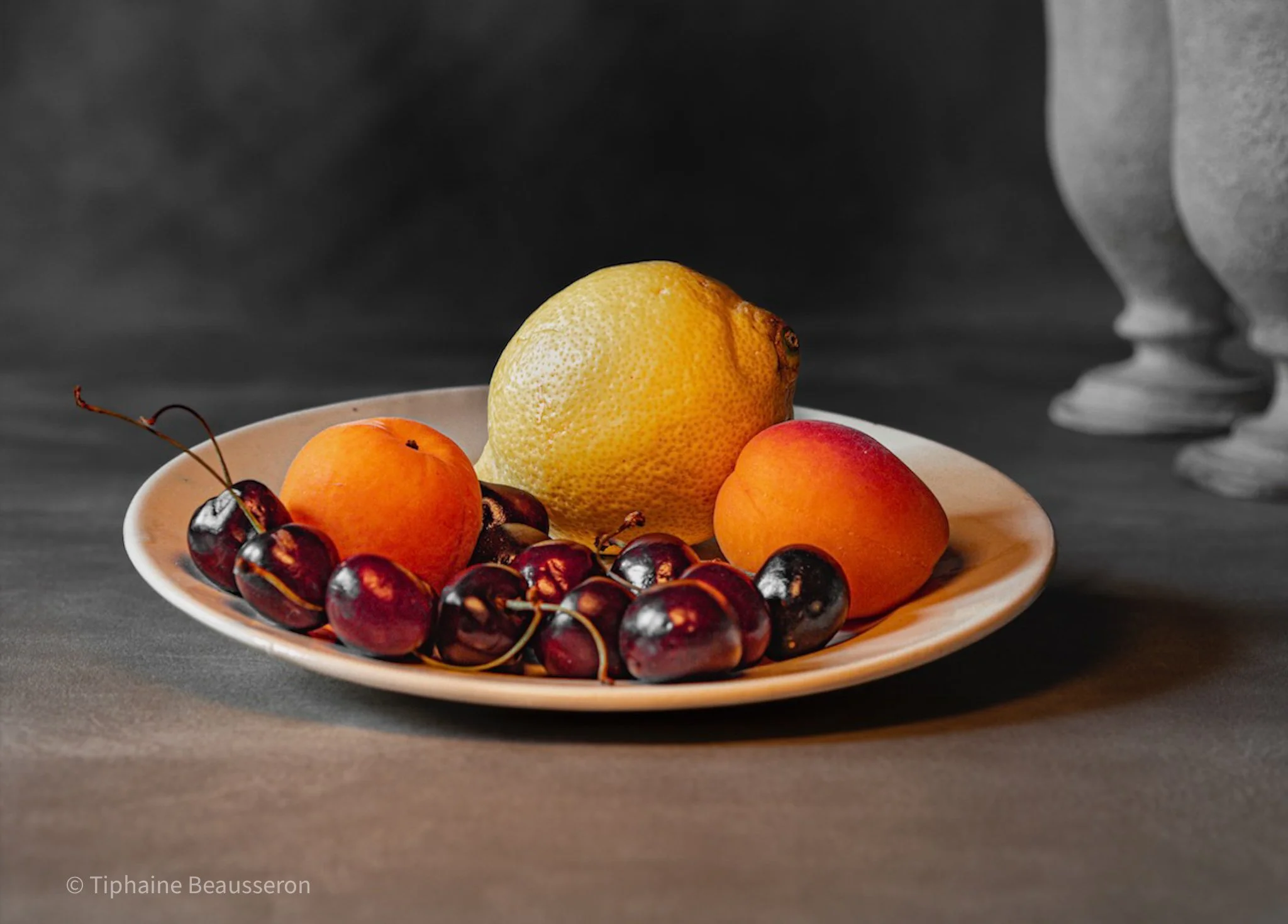
Cerises, abricots, citron sur une assiette
On the occasion of the Cezanne Year celebrated in 2025 by the city of Aix-en-Provence, I also wanted to pay tribute to him in my own way. I therefore created this photograph inspired by his painting 'Apricots and Cherries on a Plate'.
But I also wanted to incorporate a nod to Hong Kong, where I recently moved. So, I brought back ceramics from the Hong Kong artist, Ben Yau, to my home in Provence—because I admire his work—and I integrated two of his creations into the background of the composition.
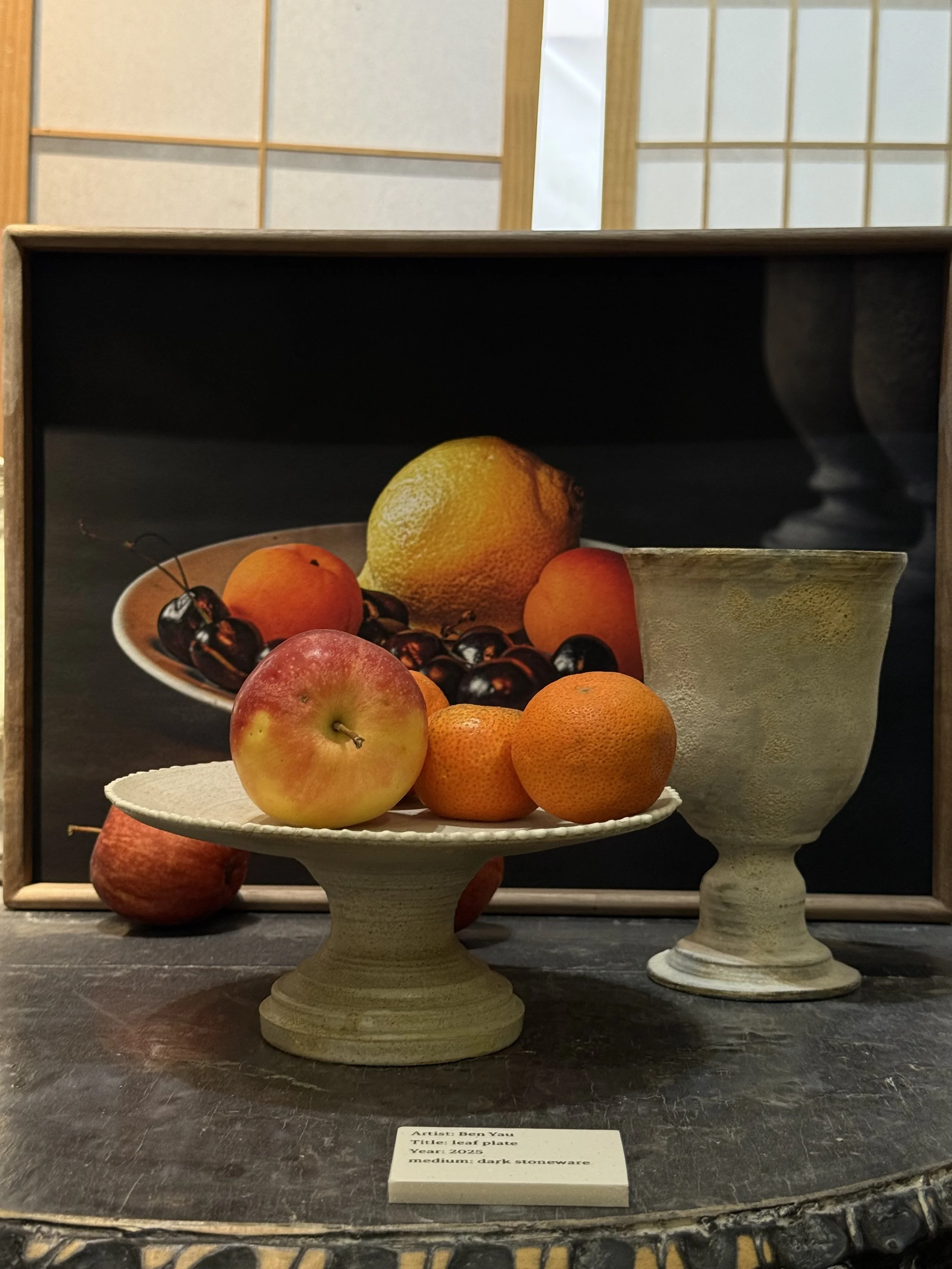
The choice of printing on Mat Hahnemühle paper by the excellent Danny Chau, accentuates the pictorialist rendering of the image. You can appreciate it better when you see the photo in real life!
Current Exhibition:
This photograph and the integrated ceramics are currently exhibited in Hong Kong at Tao Tao Ceramic Studio until February 15, 2026, as part of the exhibition 'Ceramic & Photography: A poetic dialogue'. They will also be shown at the Azimuts gallery in Aix-en-Provence in the autumn of 2026.
By creating this image, I also had fun building a bridge between two arts and two cultures. I am convinced that one of the strengths of art is its ability to transcend borders and conventions, and I love creating connections.
Those who know me as the founder of Provence & You know this well.
Photography is a magnificent medium for me that I can practice anywhere in the world, and I explore it every day with the same passion.
You can purchase this photo by ordering it by email : tbeausseron@gmail.com
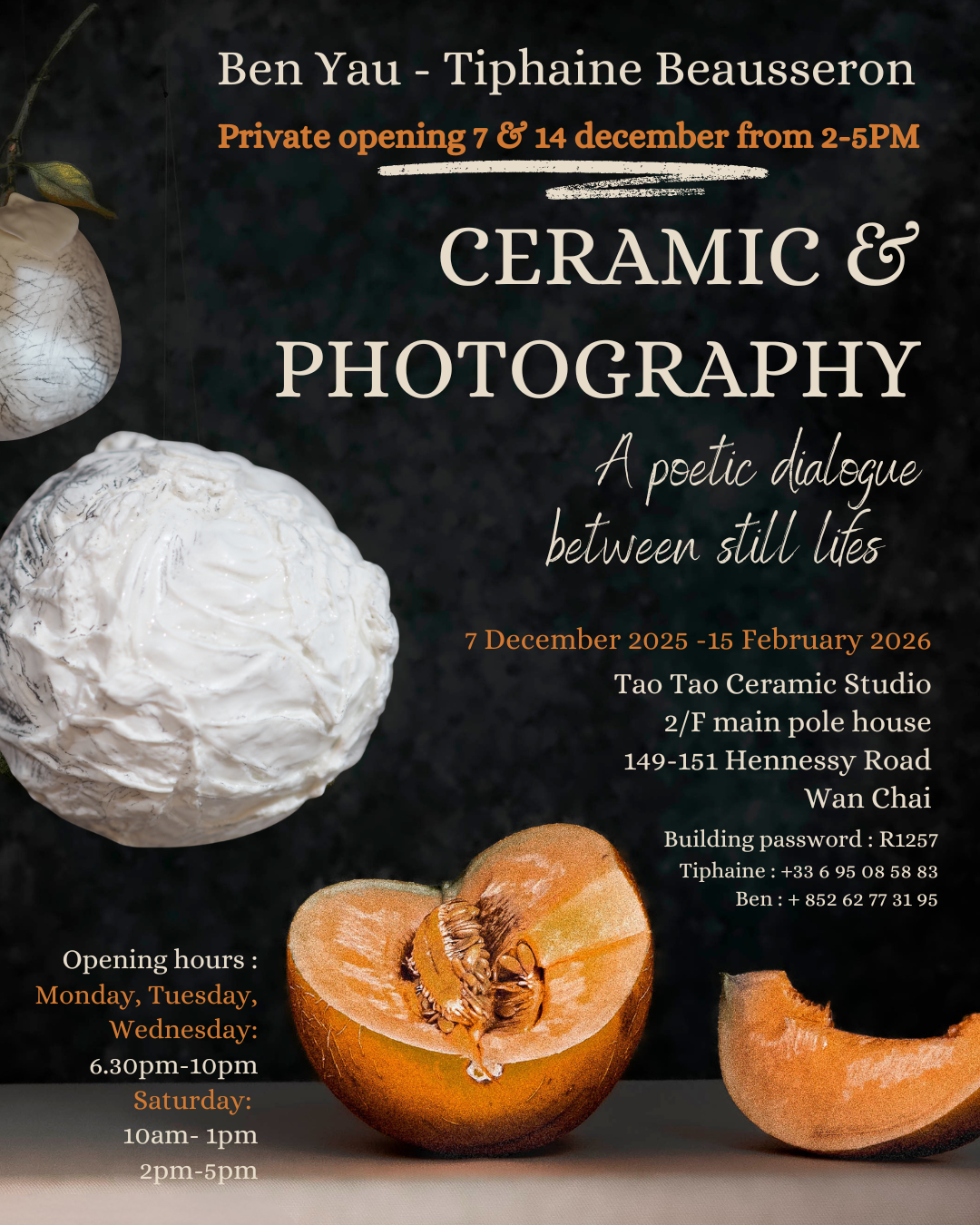
Ceramic & Photography : A poetic Dialogue between still lifes
Exhibition until 15 February 2026
More info on Instagram
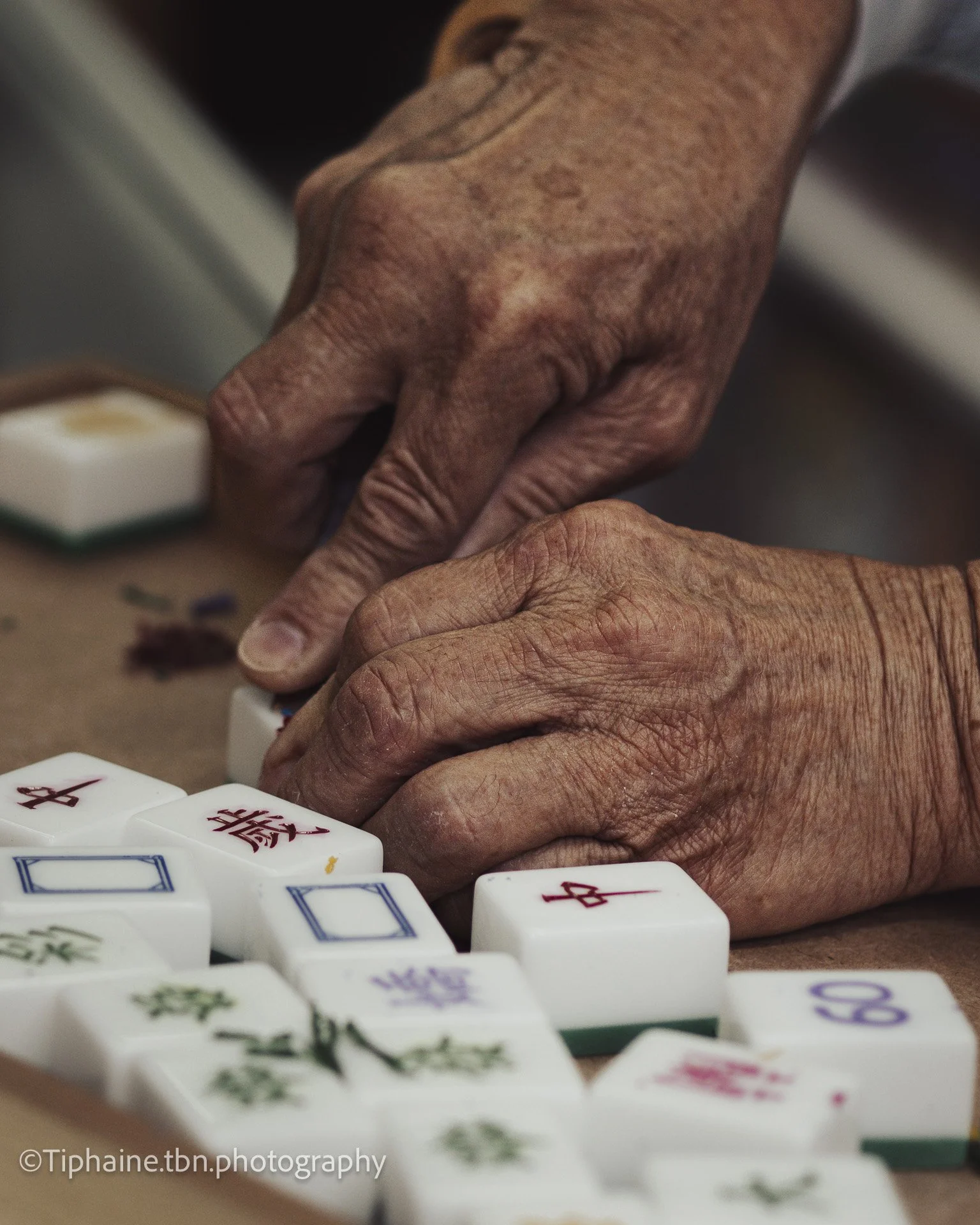
A Portrait of Preservation: The Hands and Face of Hong Kong’s Mahjong Legacy
The Language of Hands. In the heart of Kowloon, the skilled hands of a Biu Kee Mahjong artisan tell a story of dedication and tradition. Every wrinkle is a testament to the decades spent preserving Hong Kong’s intangible cultural heritage, one hand-carved mahjong tile at a time. This is the quiet power of human connection and craft, a moment of pure humanist photography captured in the vibrant streets of Hong Kong.
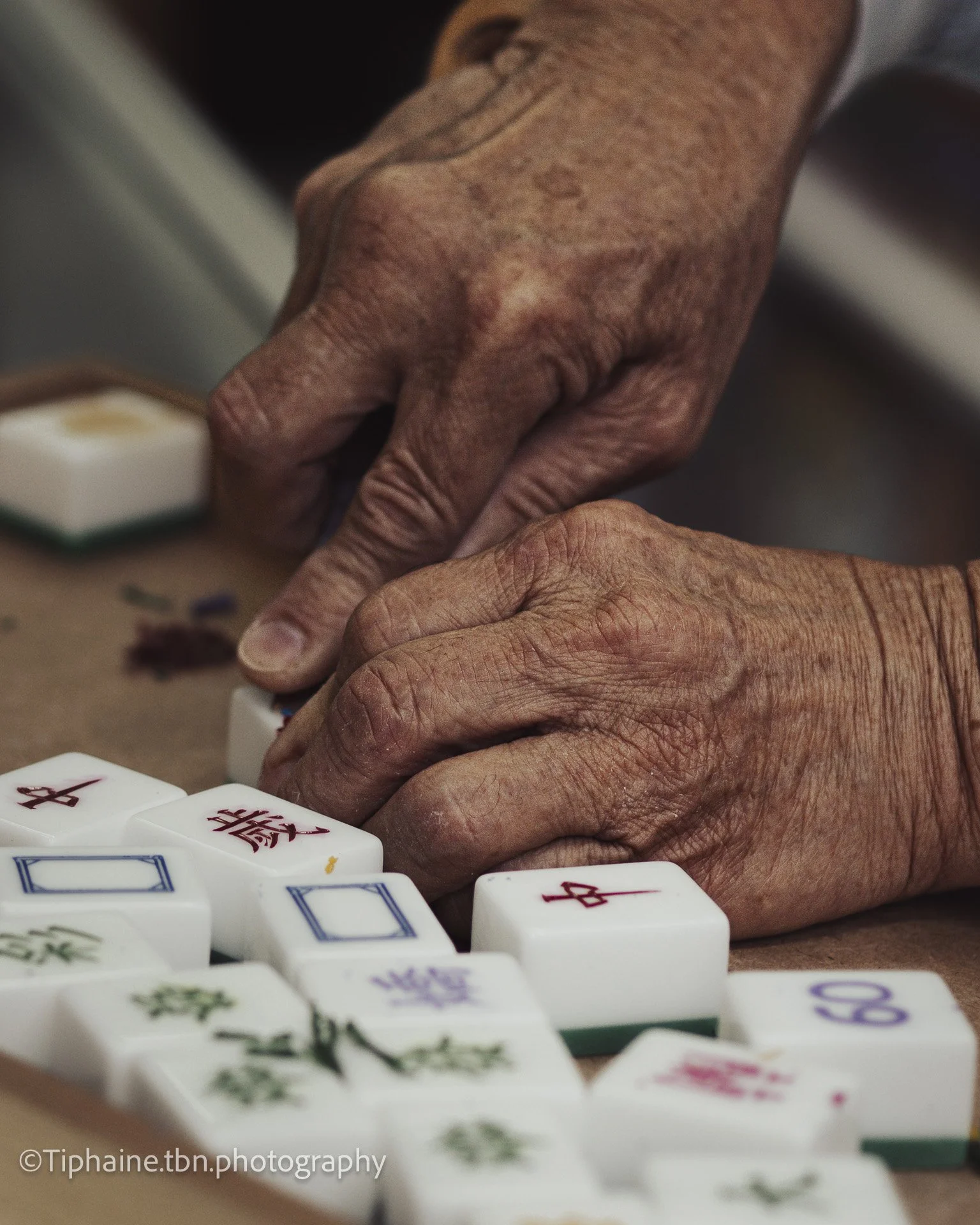
The Language of Hands.
Here, near Temple Street, dedicated artisans like Master Cheung of Biu Kee Mahjong (標記麻雀) continue to preserve this cultural legacy. Each tile is painstakingly crafted, embodying the essence of this game deeply ingrained in the cultural fabric of Hong Kong. From cutting and polishing to the delicate art of carving and coloring, it’s a meticulous process that has been recognized as Hong Kong’s intangible cultural heritage since 2014.
It’s a powerful reminder of the skill and passion being passed down through generations. Have you ever seen a set of these exquisite hand-carved mahjong tiles up close?
In the heart of Kowloon, the skilled hands of a Biu Kee Mahjong artisan tell a story of dedication and tradition. Every wrinkle is a testament to the decades spent preserving Hong Kong’s intangible cultural heritage, one hand-carved mahjong tile at a time. This is the quiet power of human connection and craft, a moment of pure humanist photography captured in the vibrant streets of Hong Kong.
(shot on Olympus OMD-EM10)
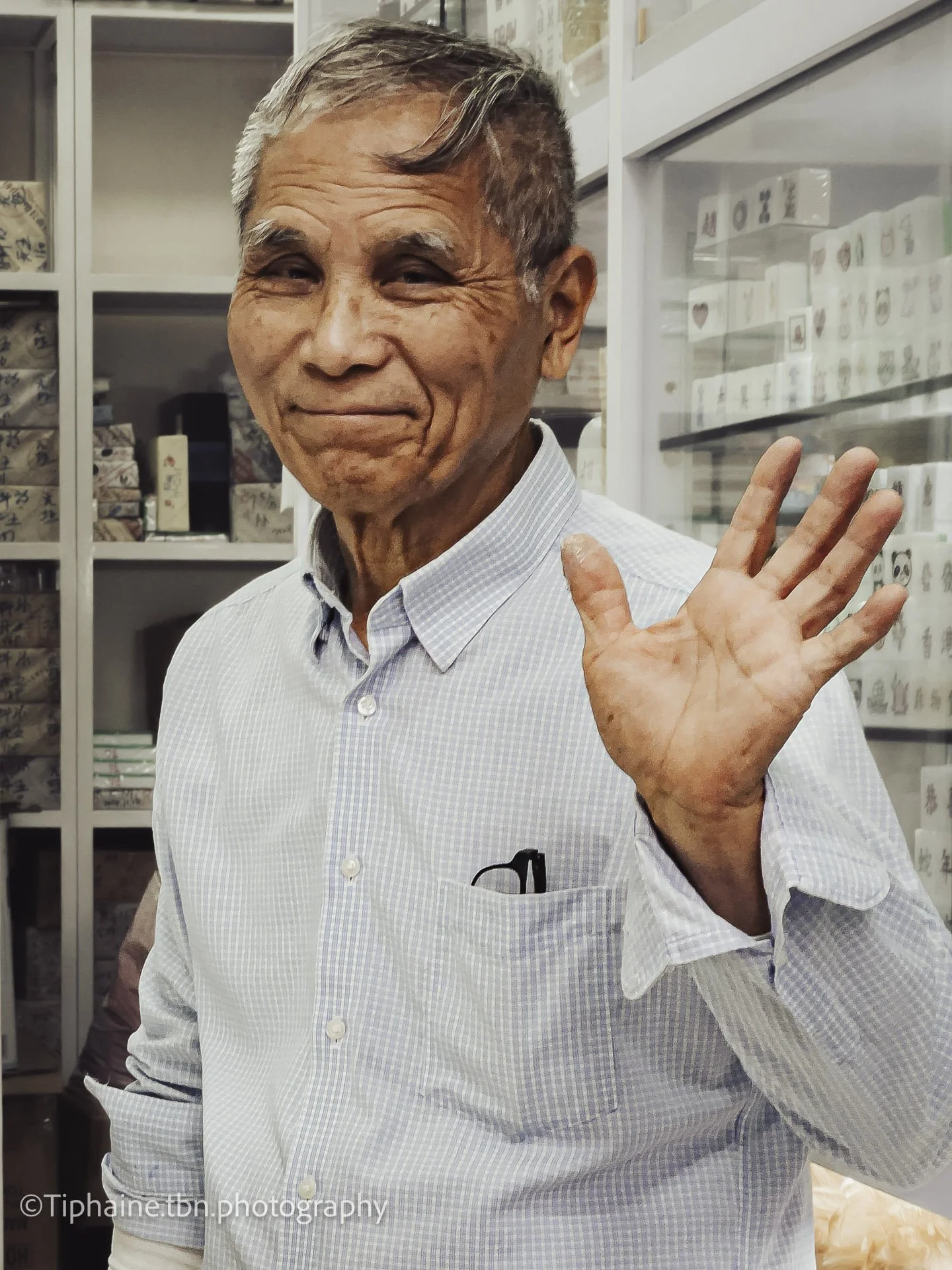
This is more than just a game; it’s a piece of living, breathing history captured in the heart of Kowloon, near Temple Street. Through the lens of documentary and humanist photography, we meet the dedicated artisan of Biu Kee Mahjong (標記麻雀), one of the last masters preserving the tradition of hand-carved mahjong tiles.
The close-up of the hands reveals a lifetime of unwavering craftsmanship—each wrinkle a map of the meticulous process of cutting, polishing, carving, and coloring. The portrait shows the quiet dignity and passion of a master committed to passing down Hong Kong’s intangible cultural heritage.
Mahjong, deeply ingrained in the cultural fabric of Hong Kong, is kept alive by this commitment. It’s a powerful moment of street photography, finding profound human stories amidst the bustling city.
Swipe to see the master at work and the tiles that carry his legacy. What stories do you see in his hands?
(shot on iPhone)
Find these photos also on Instagram
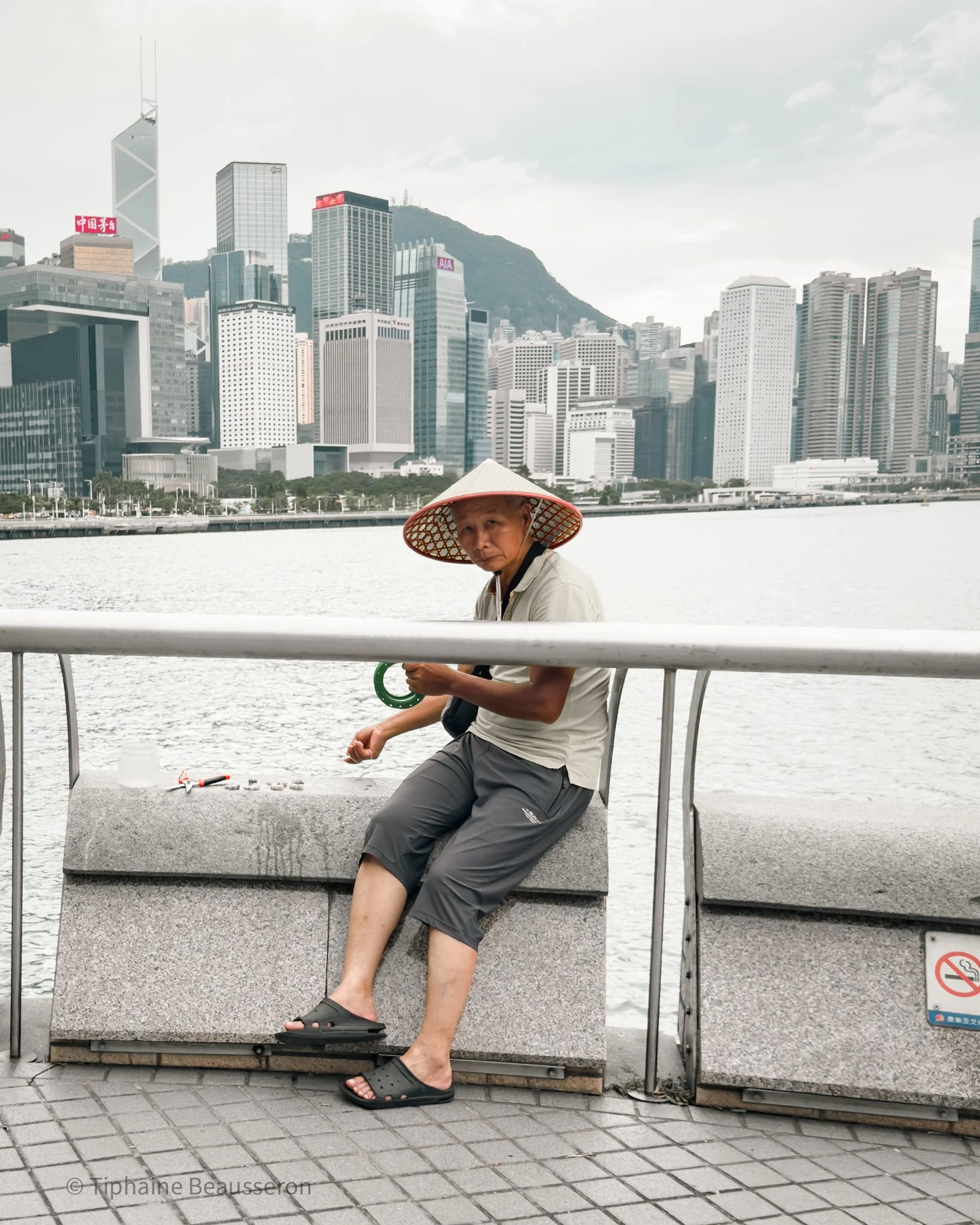
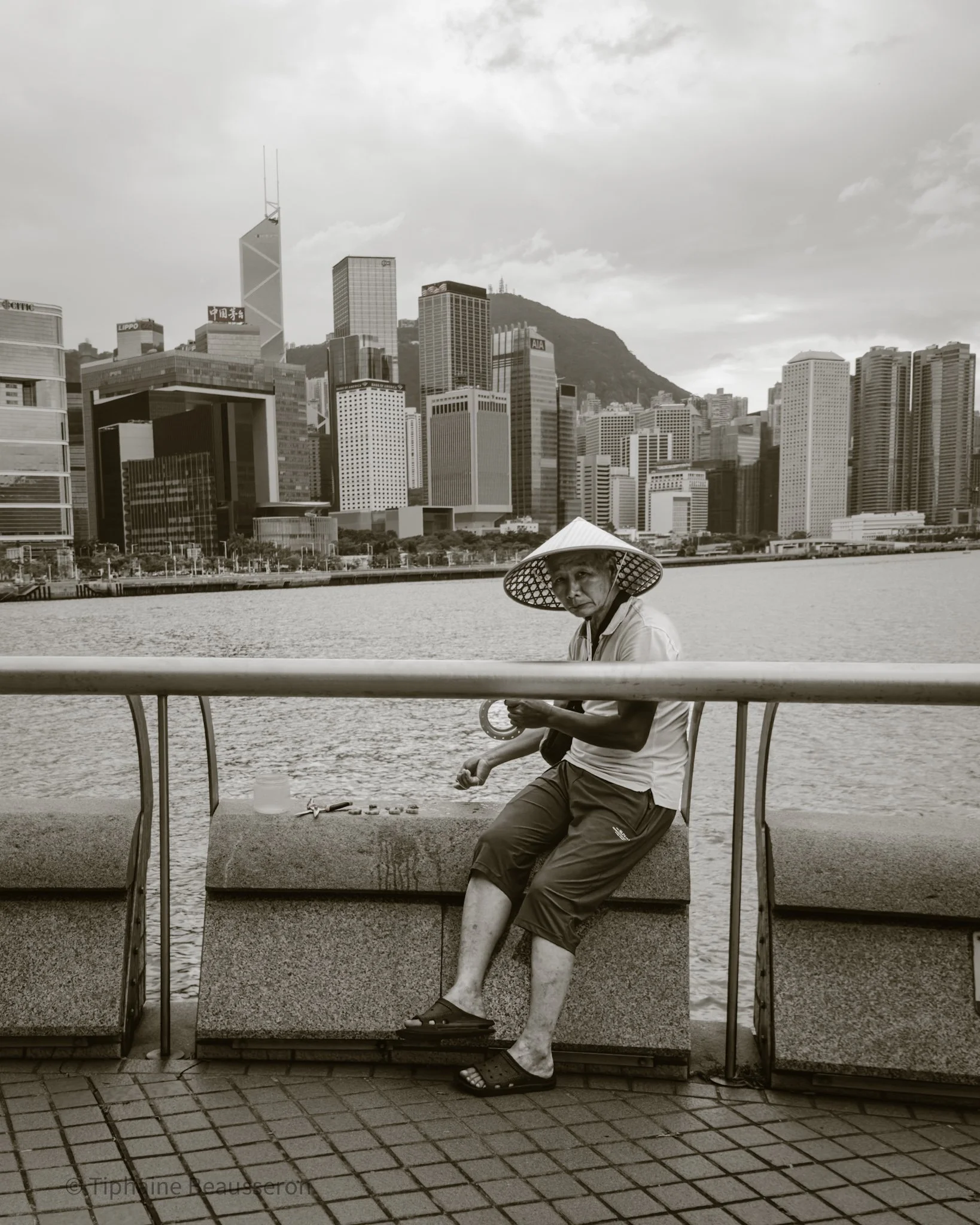
Fisherman à Victoria Harbour
Experience the poetic street photography of Hong Kong's Victoria Harbour, captured in a moment of quiet anticipation. This image, a quintessential humanist street scene, focuses on a solitary fisherman, a classic subject in the tradition of masters like Robert Doisneau and Sabine Weiss. The composition embodies a minimalist approach, drawing the eye to the human element against the vast, dramatic backdrop of the approaching weather.
Experience the poetic street photography of Hong Kong's Victoria Harbour, captured in a moment of quiet anticipation. This image, a quintessential humanist street scene, focuses on a solitary fisherperson, a classic subject in the tradition of masters like Robert Doisneau and Sabine Weiss. The composition embodies a minimalist approach, drawing the eye to the human element against the vast, dramatic backdrop of the approaching weather.
This particular scene, a poignant pictorialist portrait of everyday life, was taken just as the fisherman was packing up their gear, minutes before the arrival of Typhoon Ragasa. It’s more than a photograph; it’s a narrative of resilience and the subtle beauty found in the mundane.
We invite you to explore this fine art photography piece and compare the two available versions of this Hong Kong street scene. Which interpretation of this powerful, yet poetic, moment resonates most with your appreciation for minimalist photography?
Find these photos also on Instagram


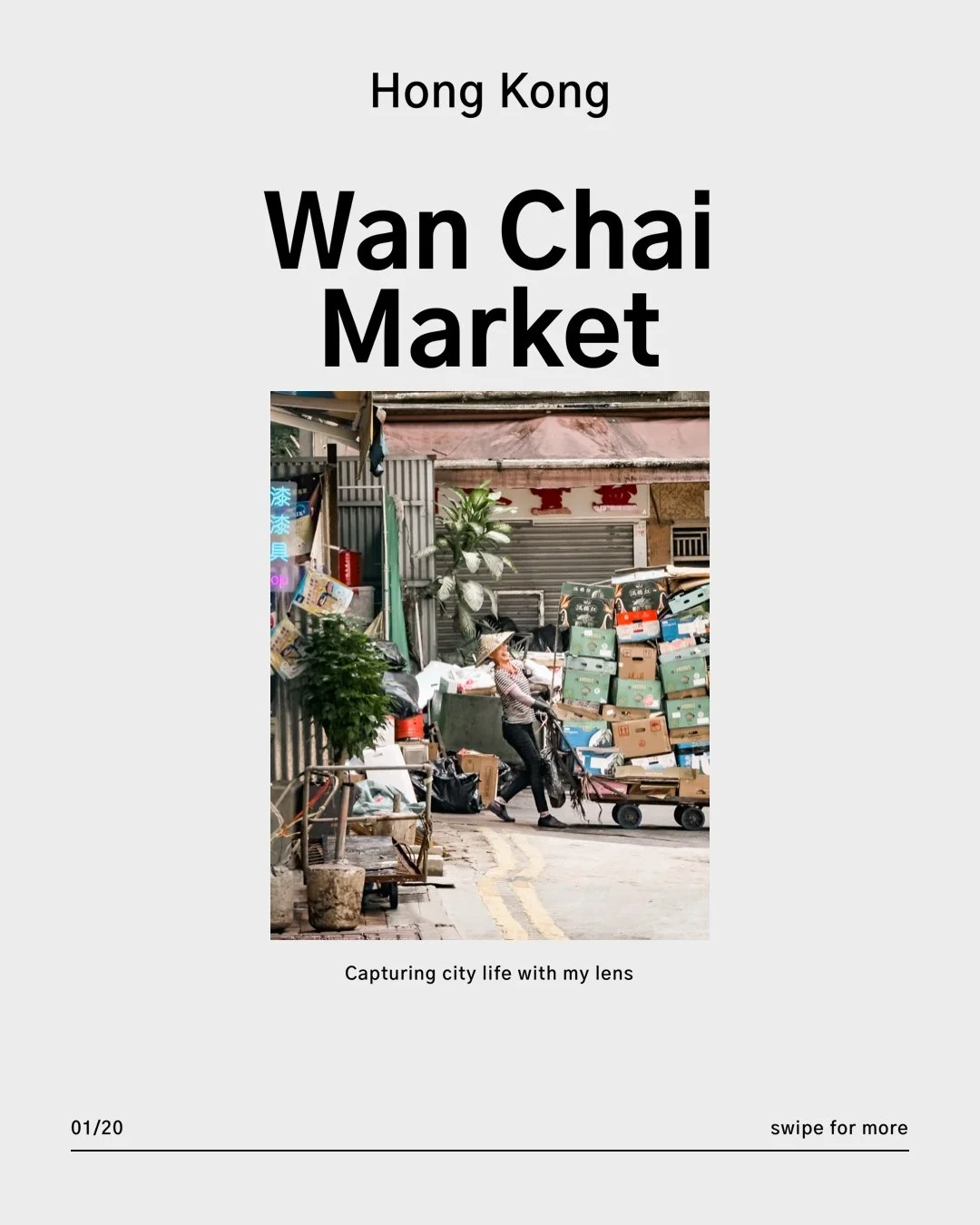
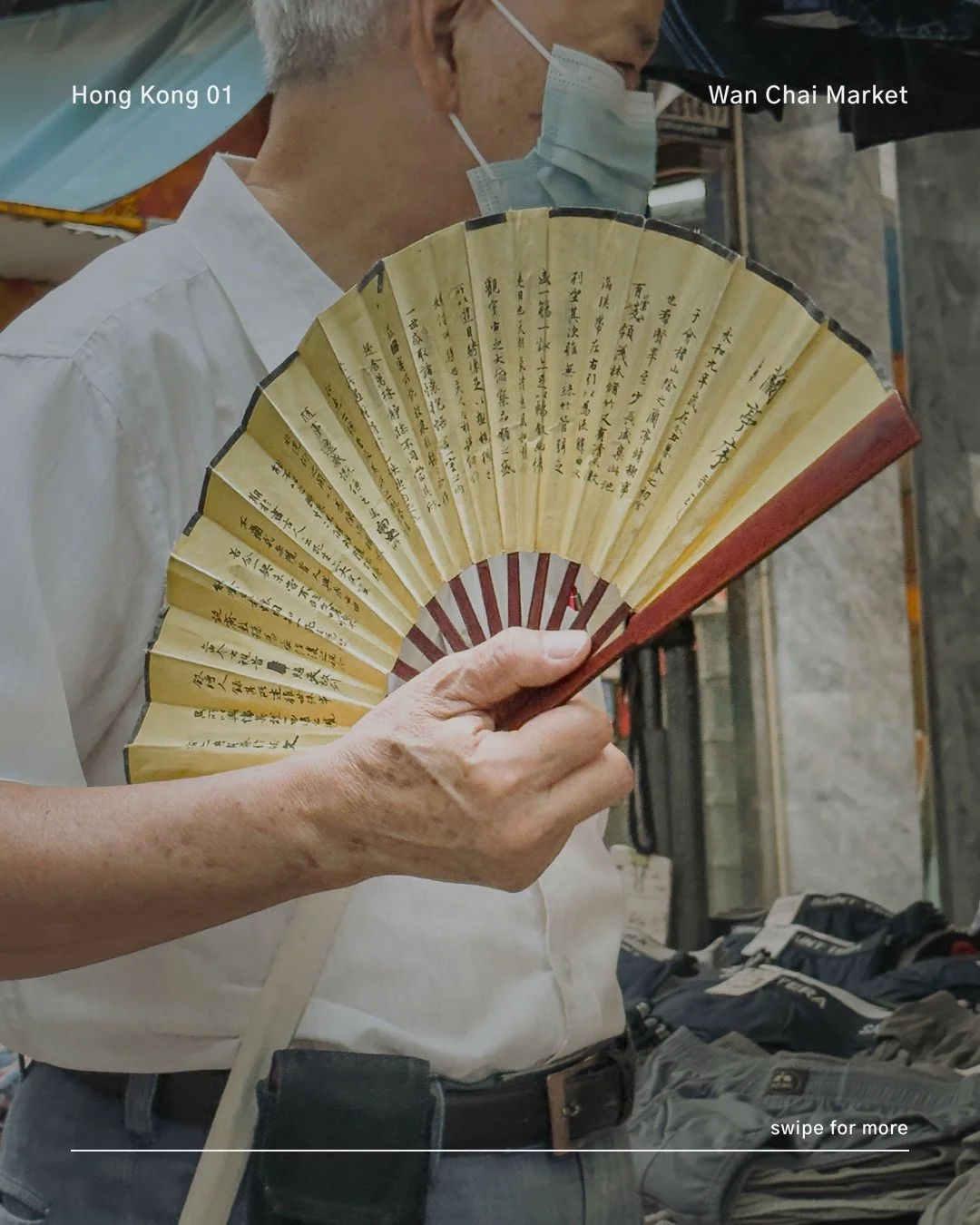
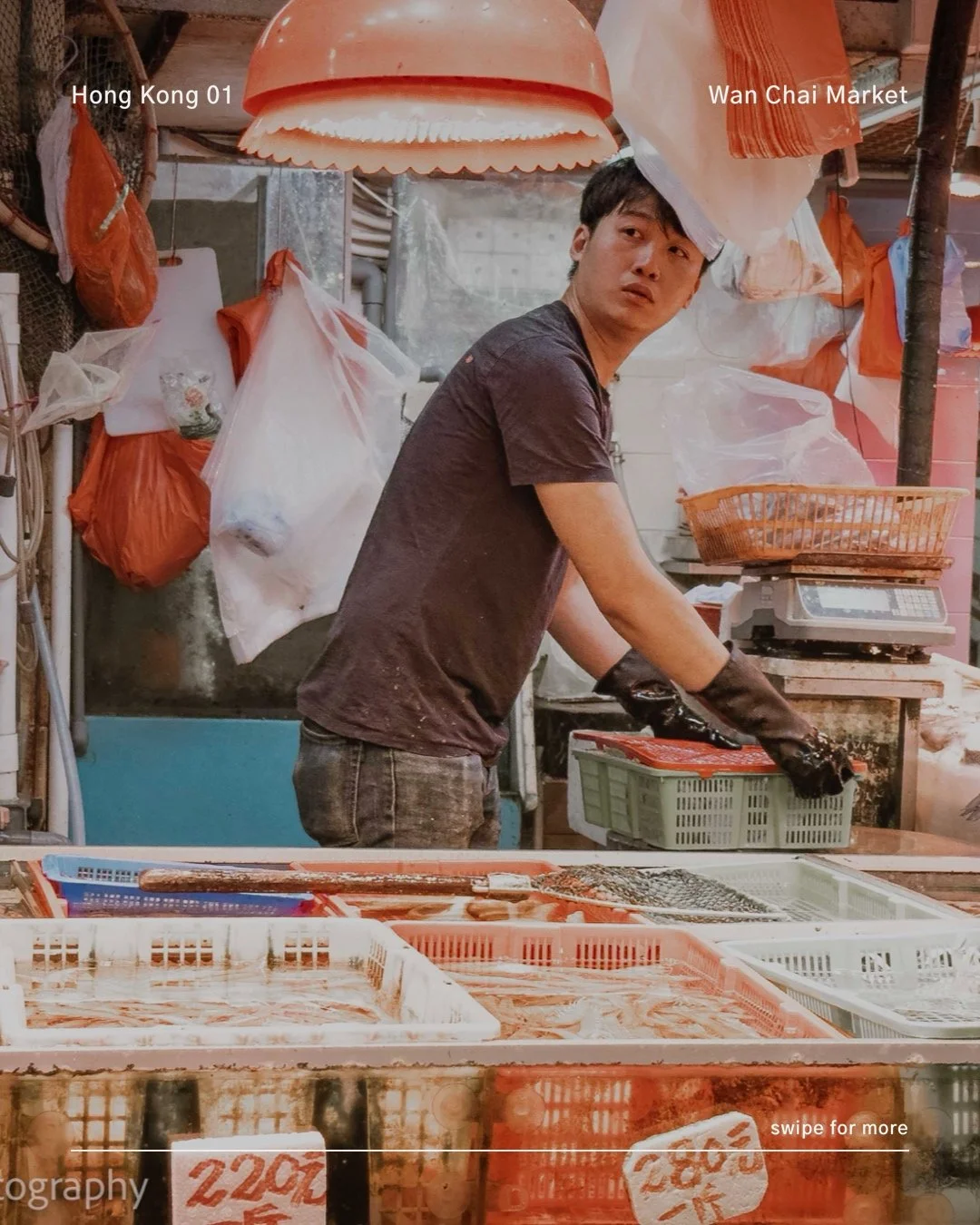
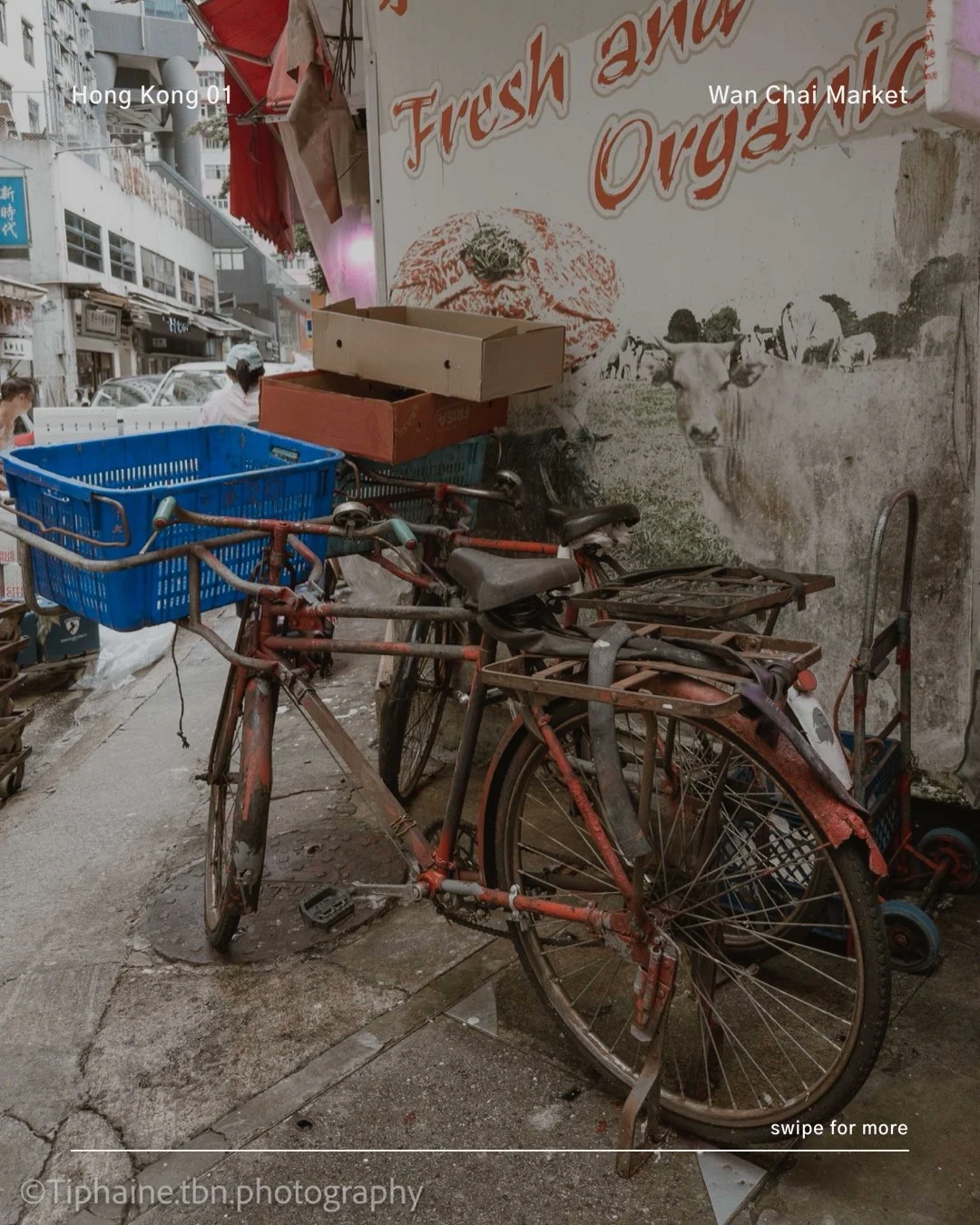
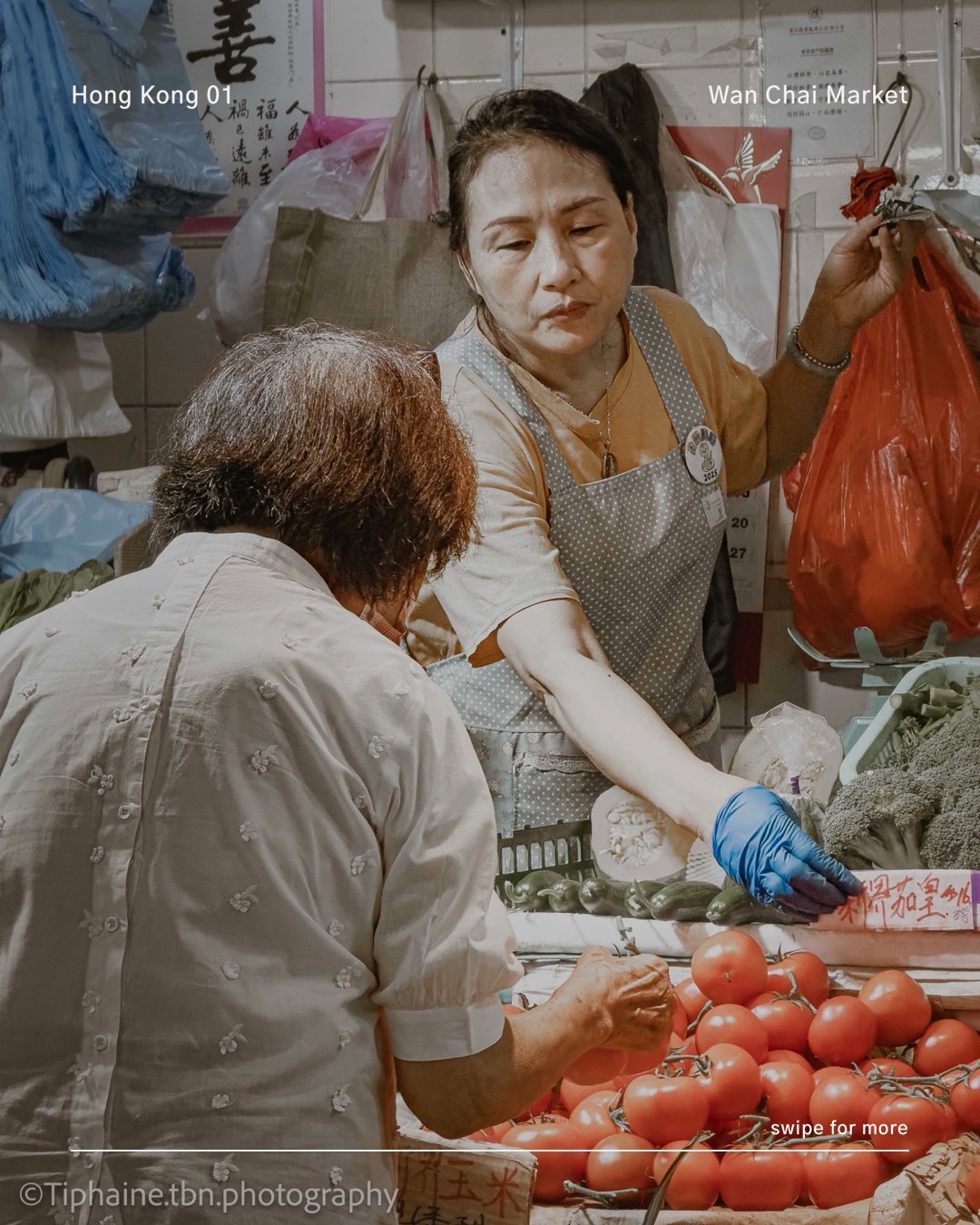
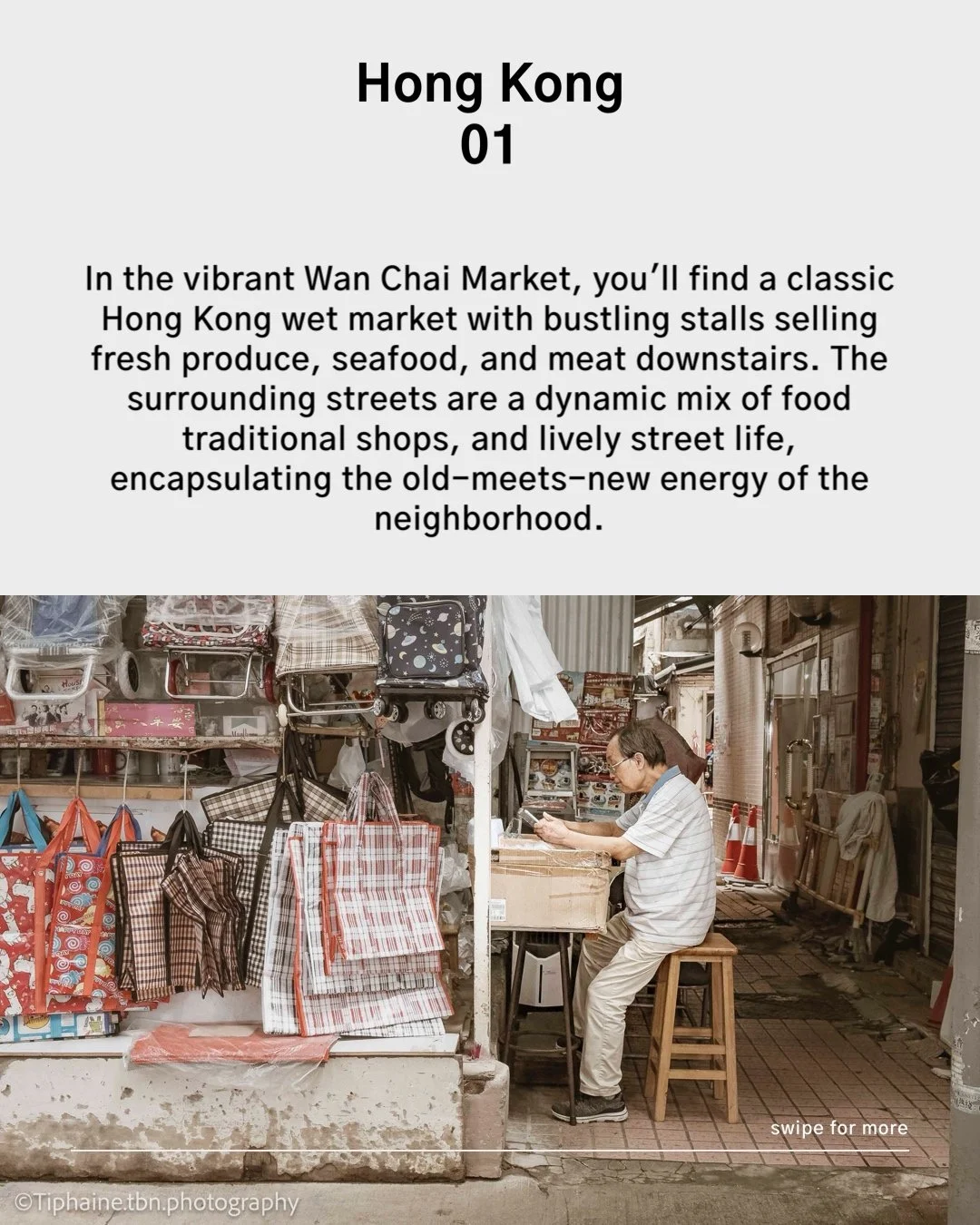
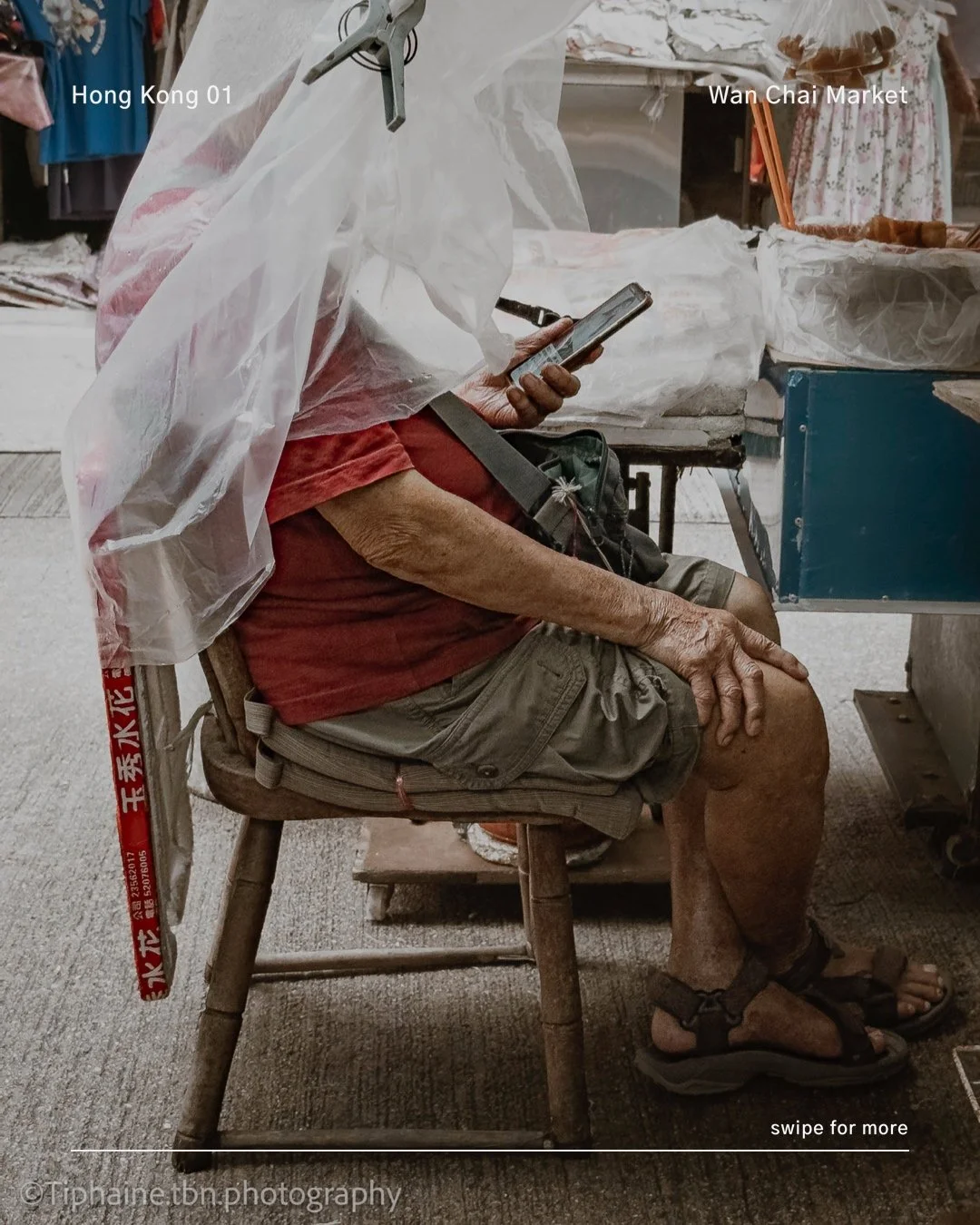
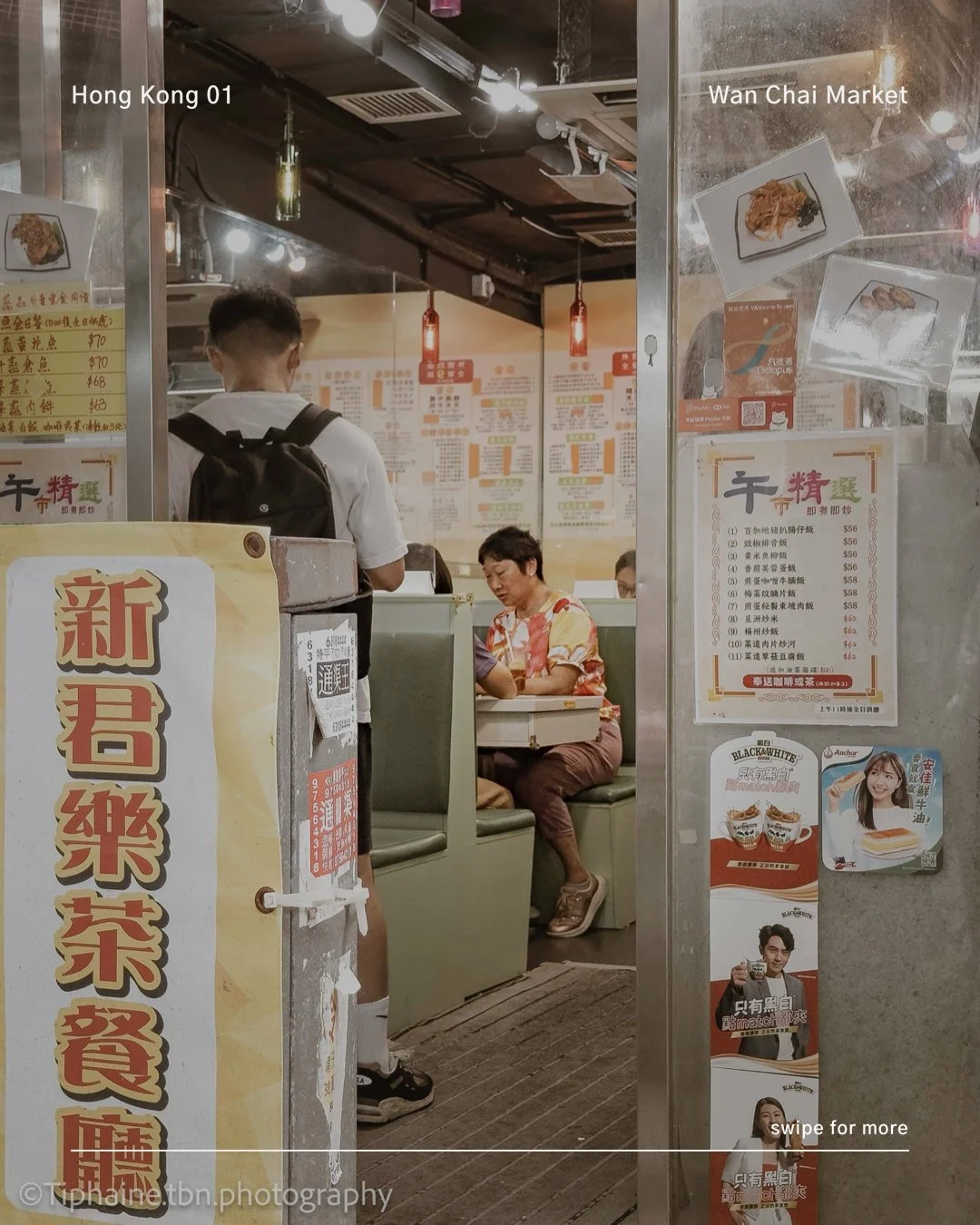
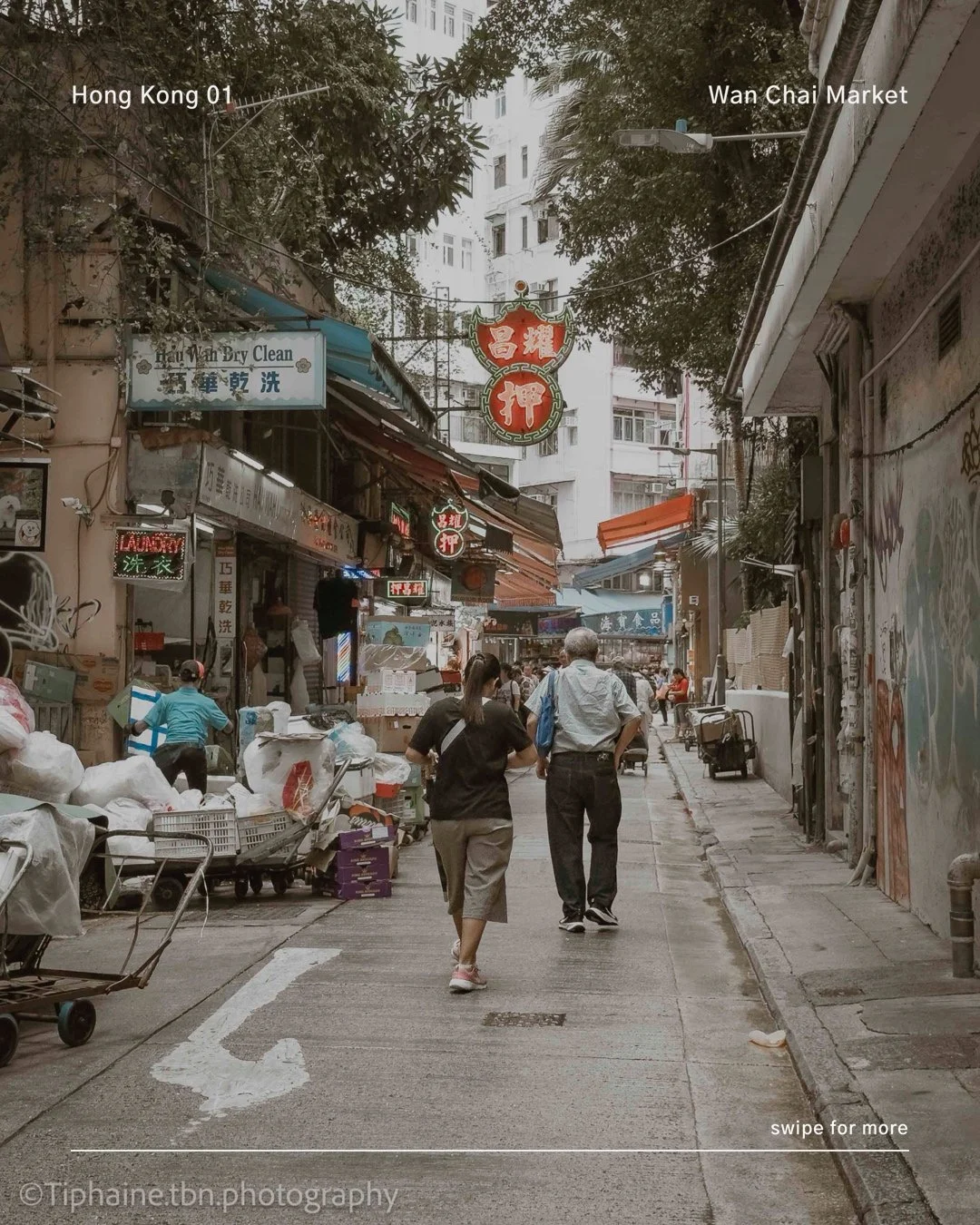
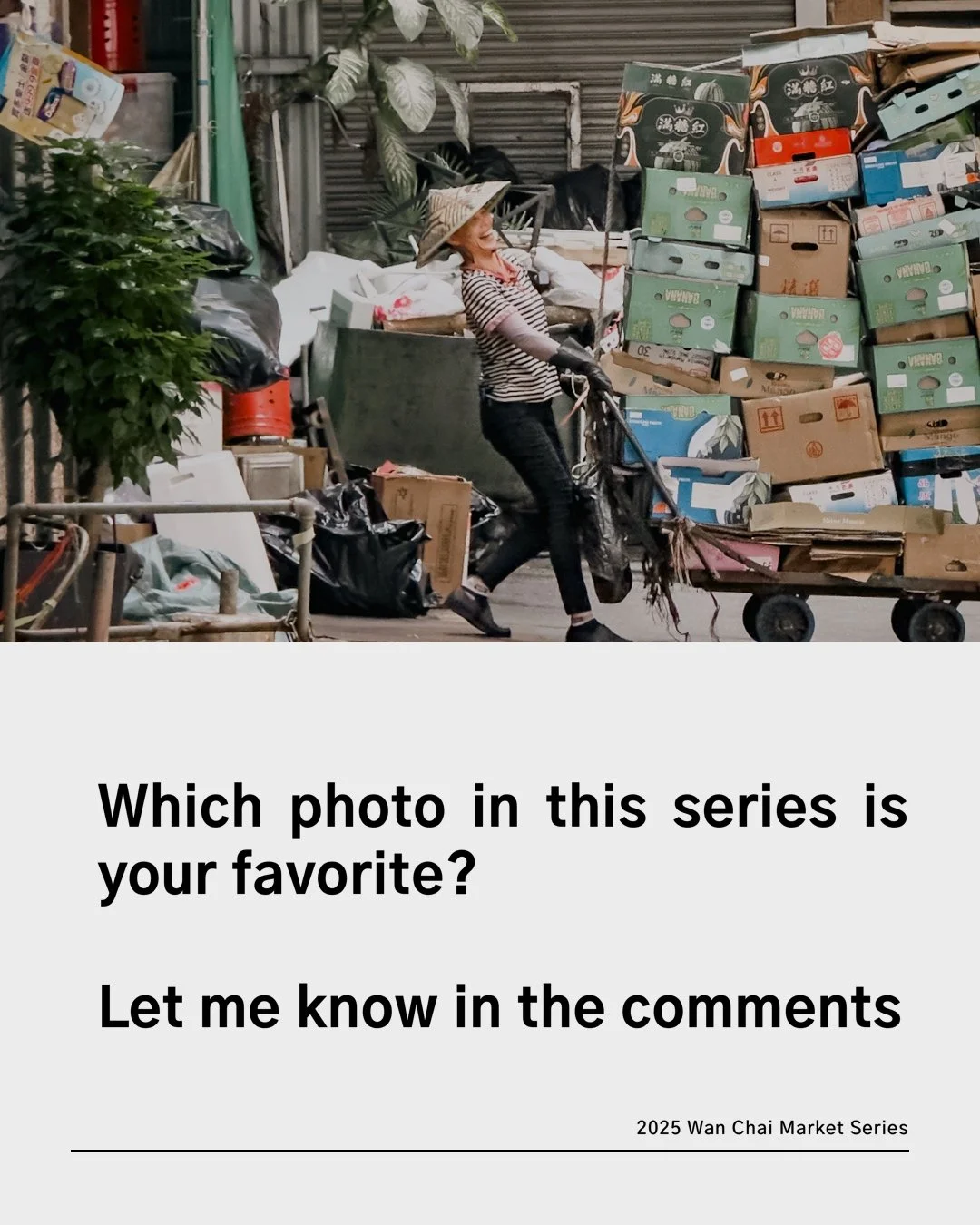
Wan Chai Market: In Search of the Human and the Poetic in the Chaos
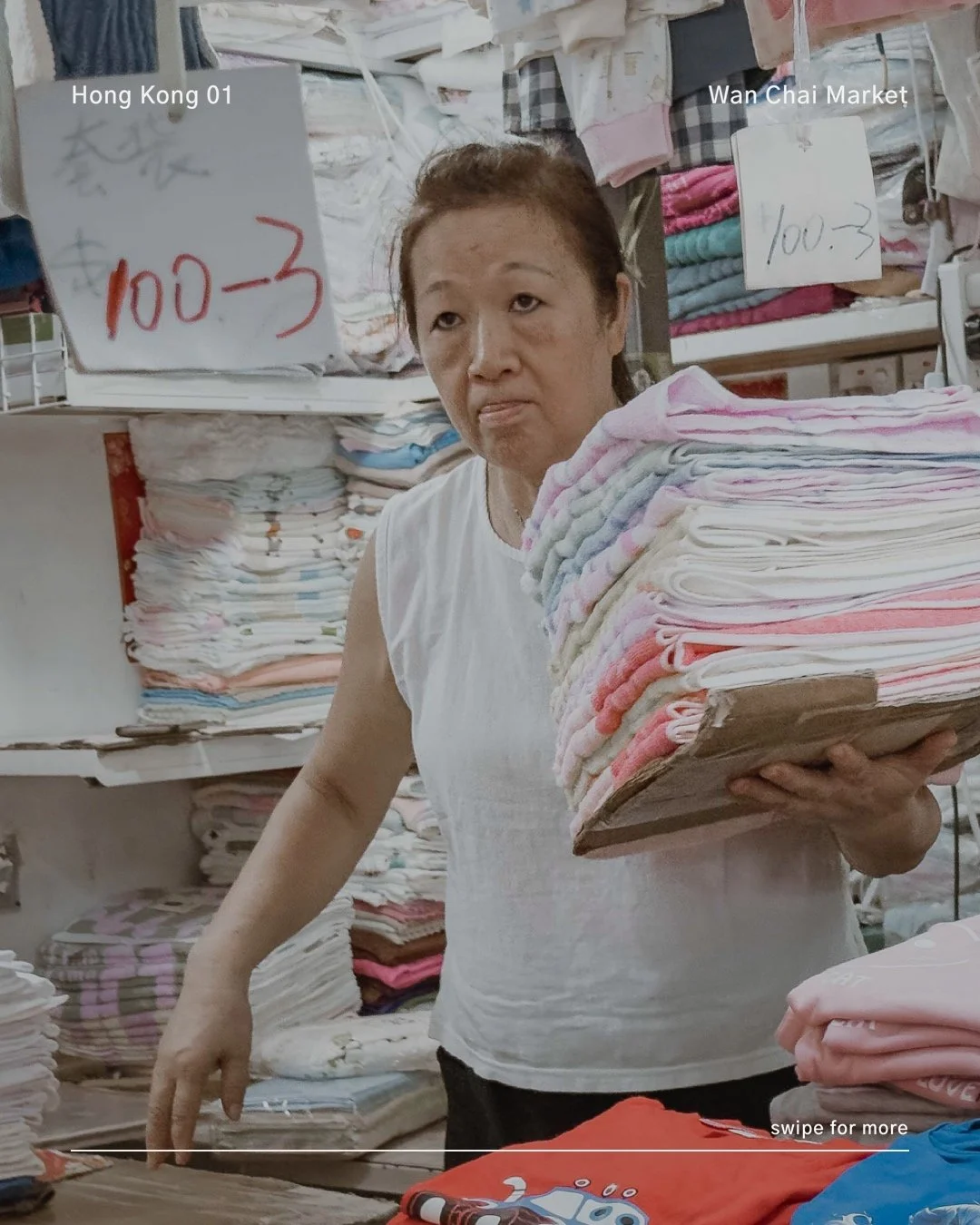
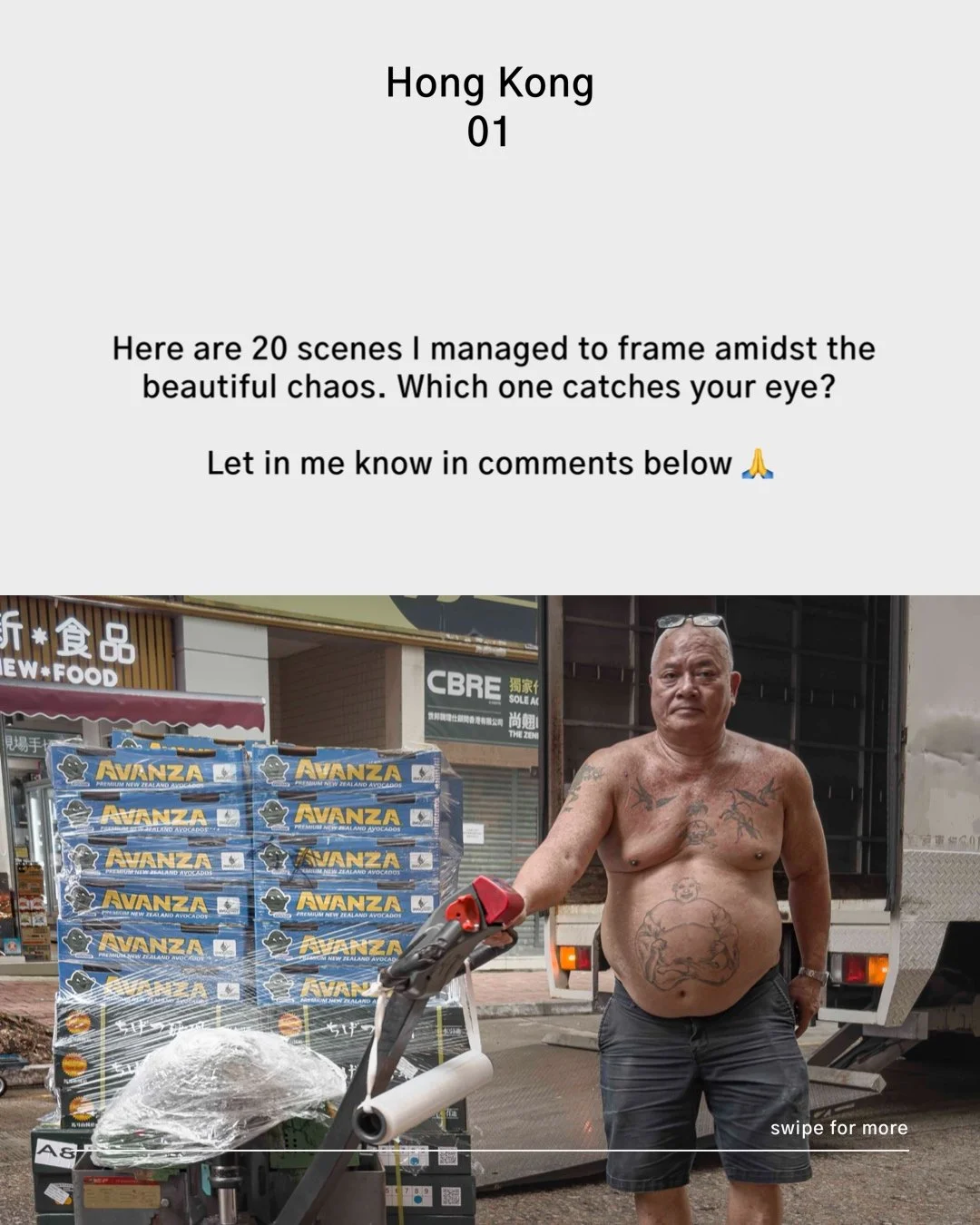
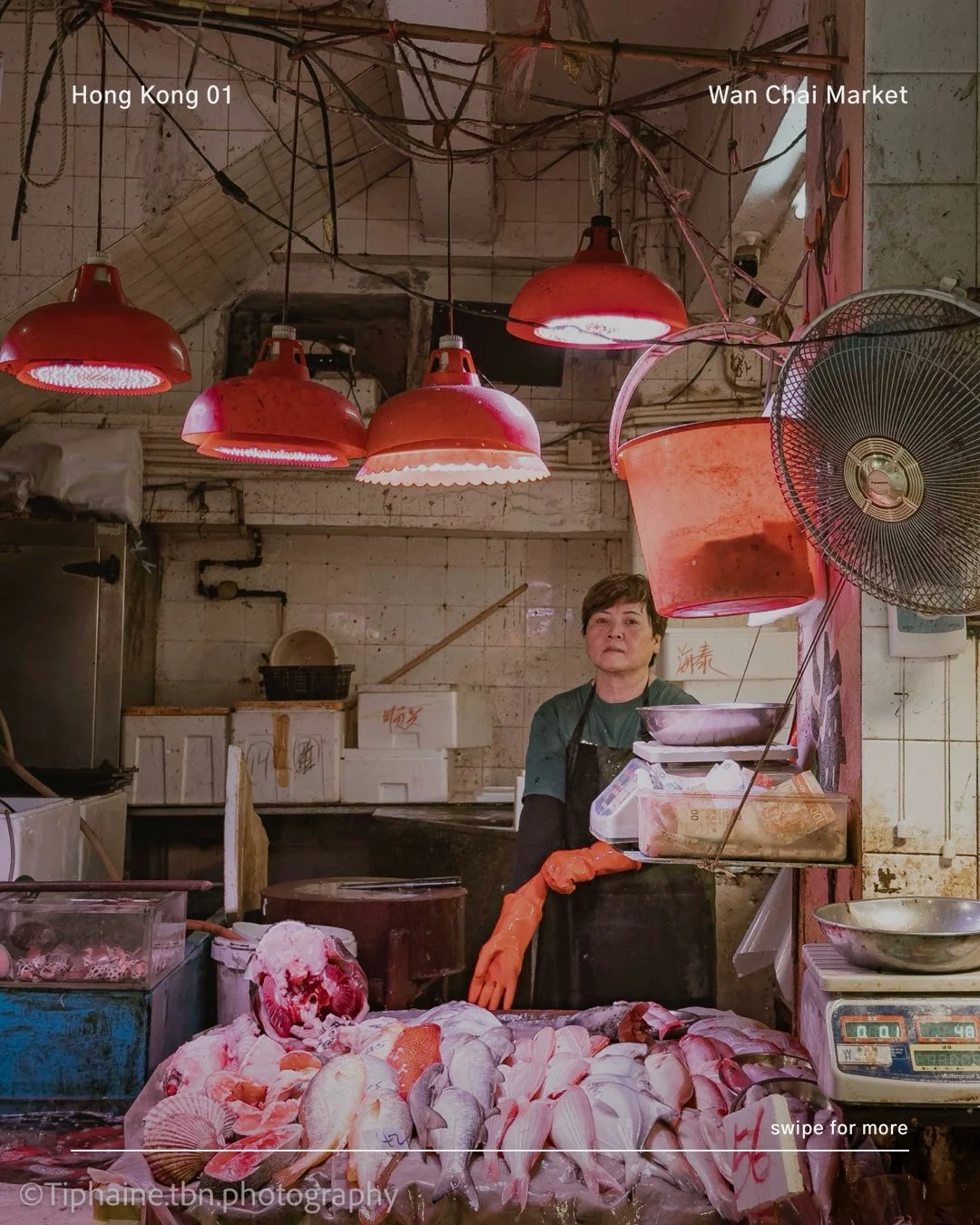
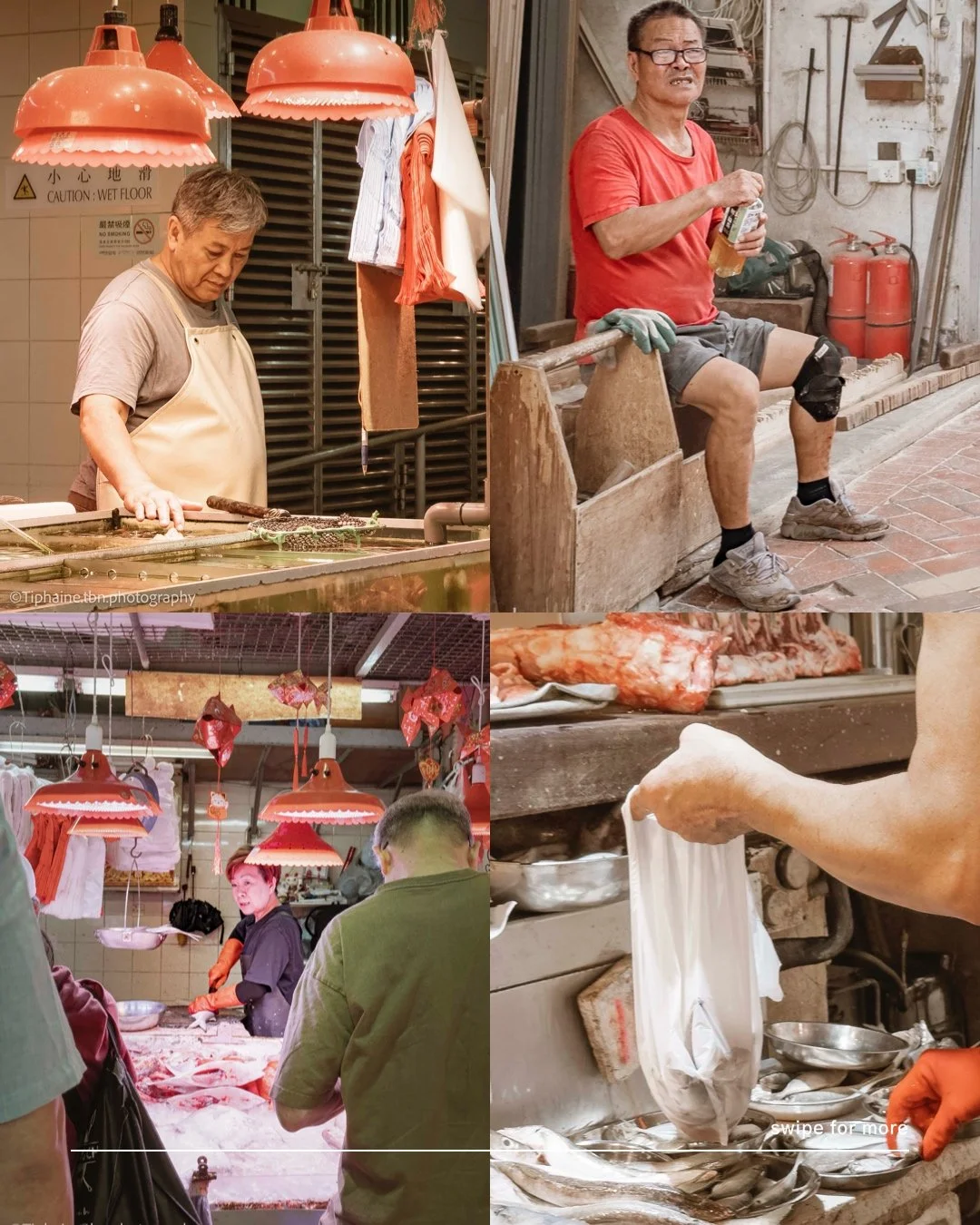
In the vibrant Wan Chai Market, you’ll find a classic Hong Kong wet market with bustling stalls selling fresh produce, seafood, and meat downstairs. The surrounding streets are a dynamic mix of traditional shops and lively street life, encapsulating the unique energy where old meets new in the neighborhood.
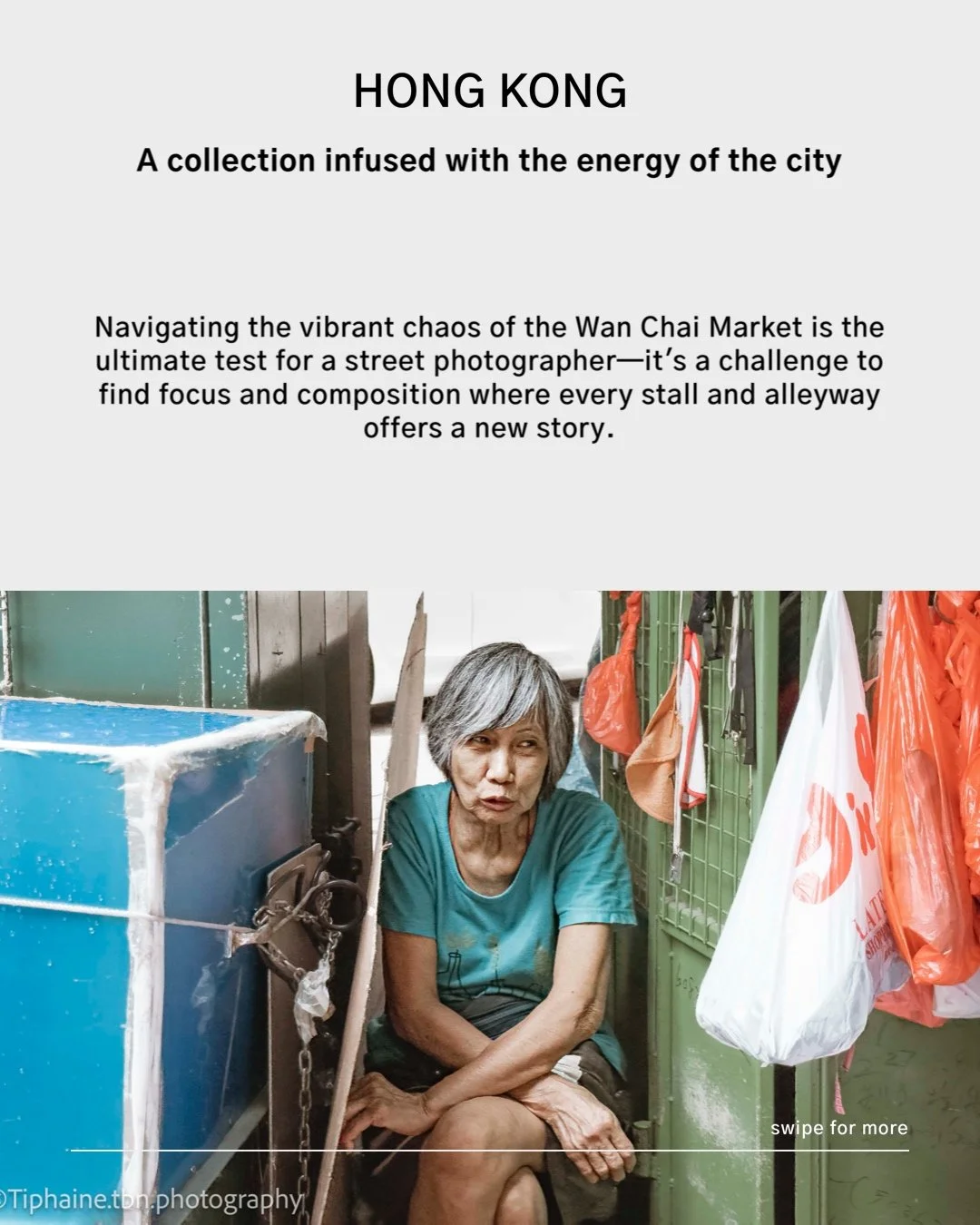
Navigating the chaos of the Wan Chai Market is the ultimate test for a street photographer. It's a constant challenge to find focus and composition where every stall and alleyway offers a new story.
In the vibrant Wan Chai Market, you’ll find a classic Hong Kong wet market with bustling stalls selling fresh produce, seafood, and meat downstairs. The surrounding streets are a dynamic mix of traditional shops and lively street life, encapsulating the unique energy where old meets new in the neighborhood.
Navigating the chaos of the Wan Chai Market is the ultimate test for a street photographer. It's a constant challenge to find focus and composition where every stall and alleyway offers a new story.
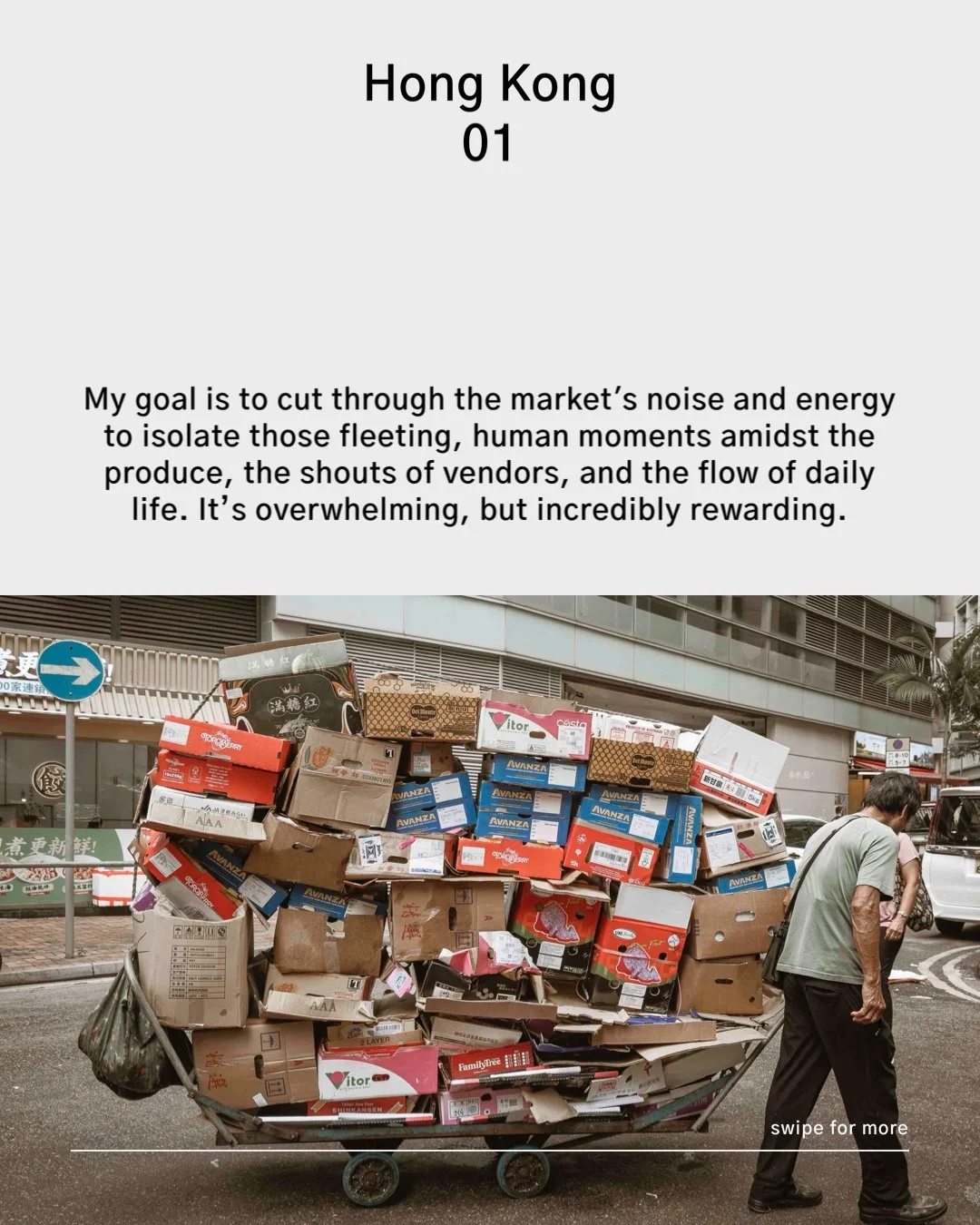
My approach to street photography is in the tradition of humanist photography, reminiscent of masters like Robert Doisneau or Sabine Weiss. My goal is to cut through the market's noise and energy to isolate those fleeting, human moments, those poetic scenes that unfold amidst the produce, the shouts of vendors, and the flow of daily life.
Although my studio work focuses on pictorialist photography and minimalist still lifes, this quest for the essential is present even in the hustle of the street. It is about capturing the light, the emotion, and the moment with an economy of means, transforming chaos into a simple and strong composition. It is a demanding, yet incredibly rewarding process.
Here are 20 scenes I managed to frame amidst the beautiful chaos. Which one catches your eye ?
Find these photos also on Instagram